


The Problem with Mindless Snacking and Its Traps
Before we build new healthy habits, it's crucial to understand why old ones fail. Traditional, mindless snacking often traps us in a vicious cycle that undermines our health goals.
- The Energy Rollercoaster: High-sugar snacks cause a rapid spike in blood sugar, delivering a temporary energy burst. However, this is inevitably followed by a dramatic crash, leaving you feeling tired, foggy, and craving even more sugar.
- Empty Calories & Nutrient Deficiency: Most processed snacks are high in calories but severely lacking in essential nutrients like protein, fiber, vitamins, and minerals. They fill you up momentarily without truly nourishing your body.
- Weight Management Sabotage: Those seemingly "harmless" handfuls of pretzels or cookies throughout the day can add hundreds of extra calories to your daily intake, quietly derailing your weight management efforts.
The Core Principles of Snapeat for Healthy Snacking
Transforming your snacking habits doesn’t require a complex rulebook. By embracing the 'Snapeat' philosophy, you only need to follow four simple, powerful principles for smart and healthy snacking.
Principle 1: Build a Balanced Bite
The perfect healthy snack is a team effort of macronutrients. For sustained energy and lasting fullness, aim for a combination of:
- Protein: Essential for satiety and muscle repair. Sources include Greek yogurt, nuts, and eggs.
- Fiber: Promotes fullness and supports digestive health. Found in fruits, vegetables, and whole grains.
- Healthy Fats: Provide long-lasting energy and support brain health. Think avocado, almonds, and seeds.
This powerful trio works in synergy to keep you full, satisfied, and to stabilize your blood sugar levels, preventing energy crashes.
Principle 2: Master Portion Control
A snack is a mini-meal, not a full-sized feast. Its purpose is to bridge the gap between your main meals. A good rule of thumb is to keep your healthy snacks between 150-250 calories. A simple trick is to portion out your serving into a small bowl instead of eating directly from the bag to practice mindful eating.
Principle 3: Listen to Your Body
Are you truly hungry, or are you just bored, stressed, or thirsty? This is the core of mindful eating. Before reaching for a snack, try drinking a full glass of water and waiting 10-15 minutes. This simple pause helps you distinguish true physical hunger from emotional cravings, which is a common snacking mistake.
Principle 4: Time Your Snacks Right
Strategic timing can turn a snack into a powerful tool. The best time for a snack is when your body needs it most. This could be mid-morning to prevent overeating at lunch, mid-afternoon to beat the 3 PM slump, or about an hour before a workout to provide essential fuel for performance.
Your Ultimate Snapeat Guide: Healthy Snack Ideas
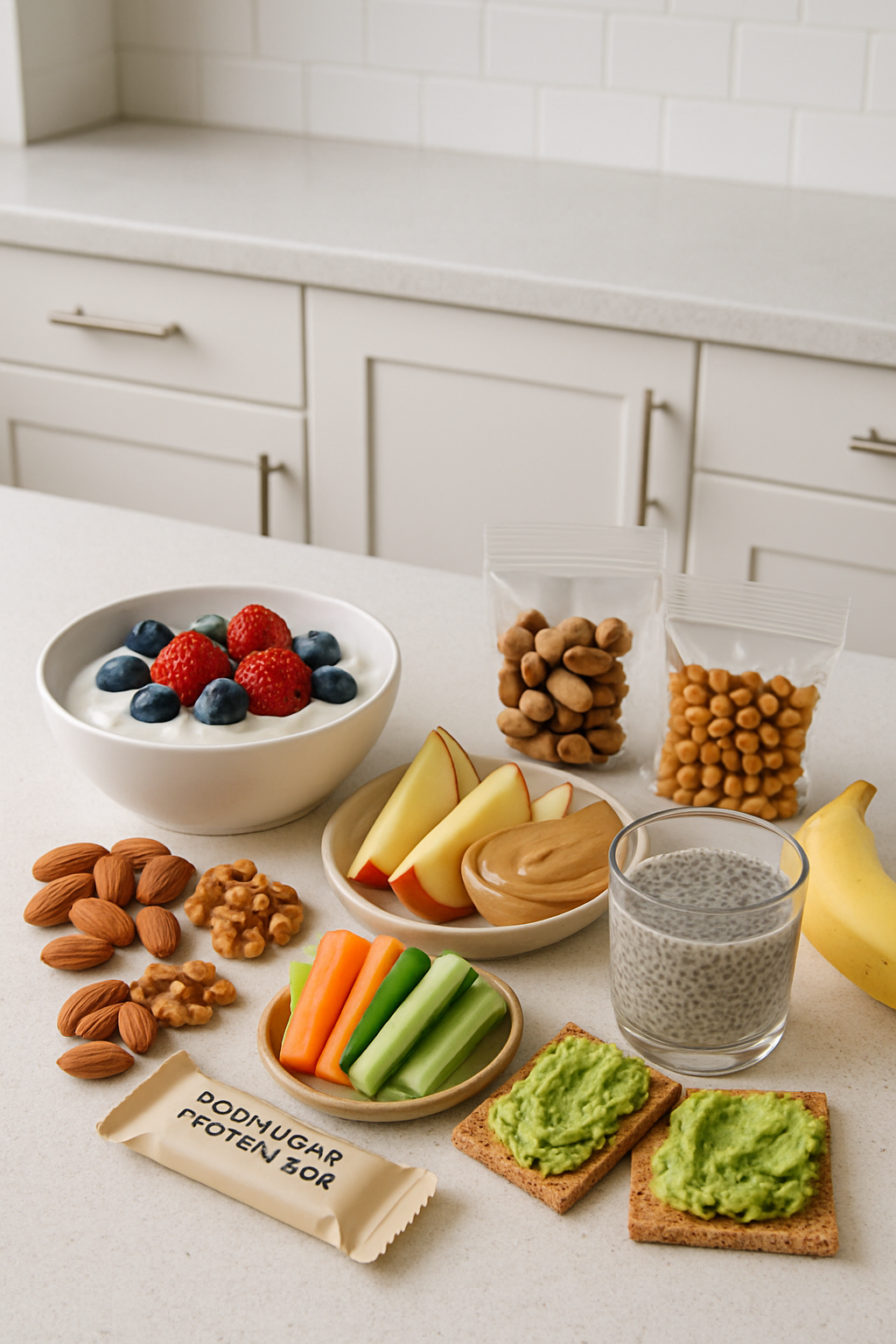
Ready to put the principles into practice? Here are some easy and delicious healthy snack ideas for every occasion and craving, perfect for weight loss, work, or a quick energy boost.
High-Protein Snacks for Lasting Fullness
Perfect for post-workout recovery or when you need a snack that truly satisfies.
- A cup of Greek yogurt topped with a handful of berries and a sprinkle of chia seeds.
- One or two hard-boiled eggs with a dash of sea salt and pepper.
- A small handful (about 1/4 cup) of almonds or walnuts.
- A serving of cottage cheese with sliced peaches or pineapple.
High-Fiber Snacks for Office and Digestive Health
Excellent for desk-bound professionals to stay full and support gut health.
- A crisp apple with one tablespoon of natural peanut or almond butter.
- Baby carrots or cucumber slices with 2-3 tablespoons of hummus.
- A homemade chia seed pudding prepared with almond milk and a touch of vanilla.
- A pear paired with a small piece of sharp cheddar cheese.
Quick Energy Snacks for the Afternoon Slump
Ideal for a pre-workout boost or to combat mid-day fatigue.
- A medium banana, nature's original energy bar.
- A few whole-grain crackers topped with mashed avocado and a sprinkle of everything bagel seasoning.
- Two homemade energy balls made from oats, dates, and nuts.
Easy On-the-Go Snacks for a Busy Lifestyle
Convenient and portable options for when you're short on time.
- Pre-portioned bags of trail mix (focus on nuts and seeds, with minimal dried fruit).
- A high-quality, low-sugar protein bar (always check the label!).
- Roasted chickpeas, either homemade or store-bought.
Frequently Asked Questions About Healthy Snacking (FAQ)
- 1. How many calories should a healthy snack have?
- A good range for a healthy snack is 150-250 calories. This is enough to satisfy hunger and provide energy without interfering with your main meals.
- 2. Are fruit smoothies a healthy snack?
- They can be, but be cautious. Store-bought smoothies are often loaded with sugar. A homemade smoothie with protein (Greek yogurt, protein powder) and healthy fats (avocado, chia seeds) is a much better choice than one that's purely fruit-based.
- 3. What are some healthy snacks I can buy at the grocery store?
- Look for whole foods in their natural state: individual Greek yogurts, bags of nuts, pre-cut vegetables, hard-boiled eggs, and fruit. When buying packaged goods, look for short ingredient lists and low added sugar.
- 4. How can I stop snacking late at night?
- First, ensure your dinner was balanced and satisfying. Often, late-night snacking is driven by habit or boredom, not hunger. Try establishing a relaxing, food-free evening routine, like drinking a cup of herbal tea or reading a book.
Conclusion: Make Snapeat Your New Healthy Habit
Snacking doesn't have to be your enemy. By adopting the "Snapeat" mindset—smart, purposeful, and nutritious snacking—you can transform this daily habit into a strategic advantage for your health. It’s about being intentional, choosing nutrient-dense foods, and listening to your body's true needs.
You don’t have to overhaul your entire pantry overnight. Start small. This week, try swapping just one of your usual processed snacks for one of the wholesome, easy snack ideas from this guide. Notice how you feel: more energized, fuller for longer, and more in control of your health journey.
Embrace purposeful snacking. You'll soon discover that a well-chosen snack is one of the best tools you have for building a healthier, more vibrant life. Bookmark this guide for your next grocery trip!