


What Defines Rapid Weight Loss?
A rapid weight loss plan is any diet that results in losing more than 2 pounds (approximately 1 kilogram) per week over a period of several weeks. The core principle behind this accelerated loss is a significant reduction in daily calorie consumption.
Common Strategies for Rapid Weight Loss
These diet plans are often considered by individuals with obesity who aim for quick results for health-related reasons. However, such aggressive methods are best undertaken with guidance. A tool like SnapEat AI can be instrumental in managing these diets, but it's important to understand how they work.
Very Low-Calorie Diets (VLCD)
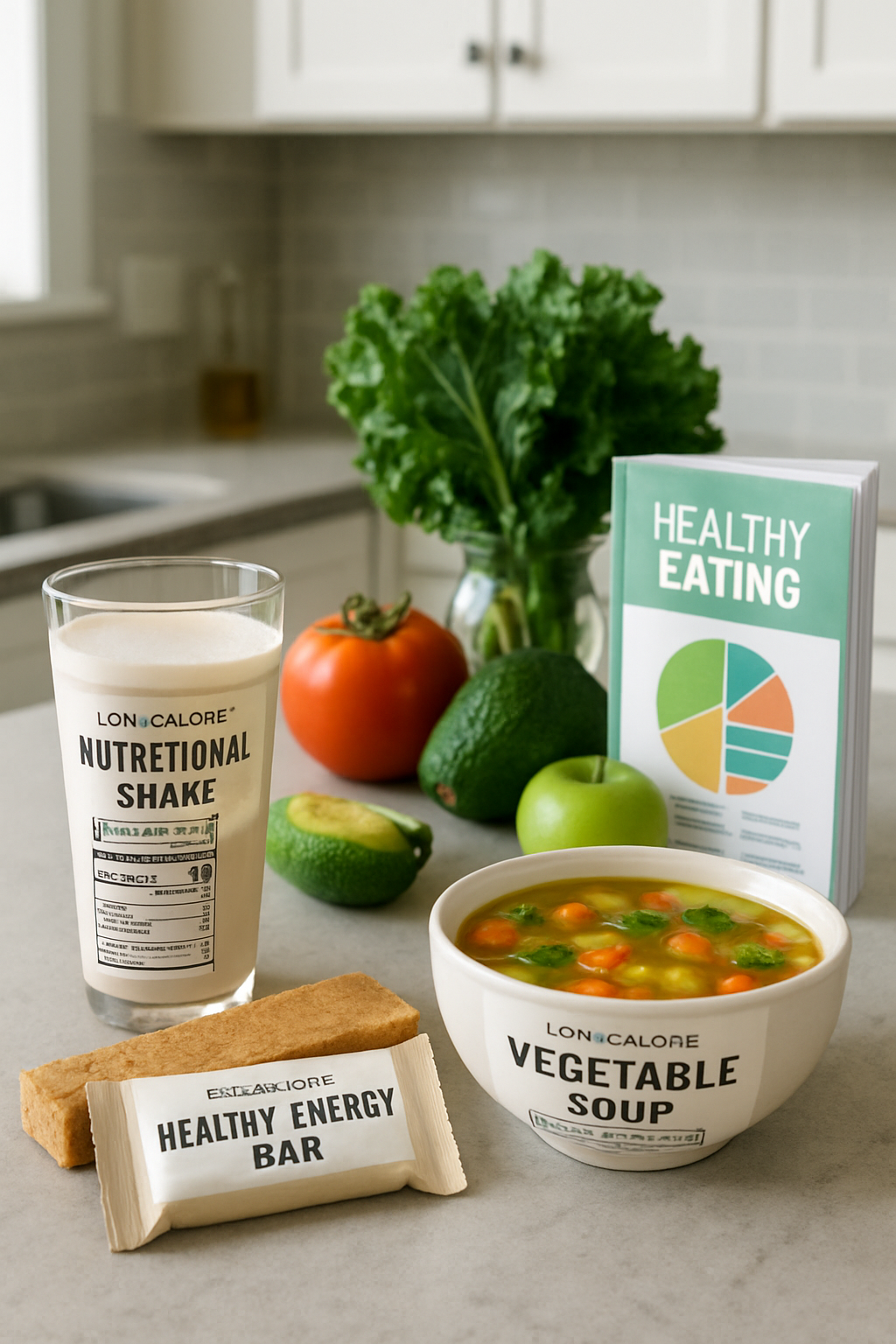
On a VLCD, daily intake can be as low as 800 calories, potentially leading to a weight loss of 3 to 5 pounds (1.5 to 2 kg) per week. VLCDs typically rely on formulated meal replacements like shakes, bars, and soups to ensure you receive essential daily nutrients. This approach is generally recommended only for adults with obesity under professional supervision and for short durations, often not exceeding 12 weeks. Using SnapEat AI can help you meticulously log these replacements to confirm you're meeting your minimal nutrient requirements.
Low-Calorie Diets (LCD)
A less extreme alternative, LCDs typically permit 1,000 to 1,200 calories daily for women and 1,200 to 1,600 for men. While the weight loss is slightly slower than with a VLCD, an LCD can yield comparable long-term results and is often considered a more manageable choice. These diets often combine meal replacements with regular foods, making them easier to sustain. SnapEat AI’s smart calorie counter simplifies this process, allowing you to instantly recognize food items and track your intake to stay within your targets.
Time-Restricted Eating
This increasingly popular strategy involves limiting your eating to a specific window each day. A common method is the 16:8 schedule, where all meals are consumed within an 8-hour period (e.g., 11 AM to 7 PM). While studies suggest this can induce rapid weight loss, its long-term sustainability is still being researched. SnapEat AI can help you monitor your eating windows and analyze the nutritional quality of your meals to ensure you're not missing out on key nutrients.
Intermittent Fasting
Fasting is a time-honored method of calorie restriction that has gained modern popularity due to potential benefits for individuals with diabetes and obesity. There are numerous fasting schedules, with the 5:2 system being one of the most well-known. This involves five days of normal eating and two non-consecutive days of fasting or following a VLCD. Diets incorporating fasting can lead to rapid weight loss. SnapEat AI's goal-setting features make it easier to manage these fluctuating daily calorie needs.
The Pitfalls of Fad Diets
Many fad diets promise rapid weight loss by severely restricting calories or food groups. In many instances, these diets can be nutritionally unbalanced and unsafe. Their primary drawback is a lack of sustainability; once the diet ends, returning to previous eating habits often leads to regaining the lost weight. For most people, a safer and more effective strategy is a balanced diet that leads to a gradual loss of 0.5 to 1 pound (225 to 500 grams) per week.
How SnapEat AI Enhances Your Diet
Achieving rapid weight loss is primarily about precise calorie management. SnapEat AI acts as your all-in-one AI coach to help you navigate this. You can sync your health data, recognize food with a snap, and track your progress effortlessly. Our app functions as a smart calorie calculator and counter, helping you set weight loss goals and receive personalized nutrition guidance to stay on track.
Weighing the Potential Benefits and Health Concerns
For individuals whose weight poses significant health risks, rapid weight loss can offer substantial benefits, helping to improve conditions like diabetes, high cholesterol, and high blood pressure. However, it's crucial to approach these diets with caution. Losing weight too quickly is not safe for everyone and can lead to the loss of muscle, water, and bone density. Potential side effects include gallstones, fatigue, gout, and digestive issues. Furthermore, those who lose weight rapidly are more prone to regaining it. Therefore, a rapid weight loss diet is generally not advised for children, teenagers, pregnant women, or older adults unless specifically recommended and monitored by a healthcare provider. Always consult a professional before embarking on any significant diet plan.