


What Constitutes Rapid Weight Loss?
Rapid weight loss is generally defined as shedding more than two pounds (approximately 1 kilogram) per week over an extended period. This accelerated rate is primarily achieved by drastically reducing calorie consumption to a very low level.
Common Rapid Weight Loss Strategies
These diet plans are often pursued by individuals with obesity seeking quick results, but they should always be undertaken with professional medical oversight due to potential risks. These are short-term solutions, typically not advised for more than a few weeks.
Very Low-Calorie Diets (VLCDs)
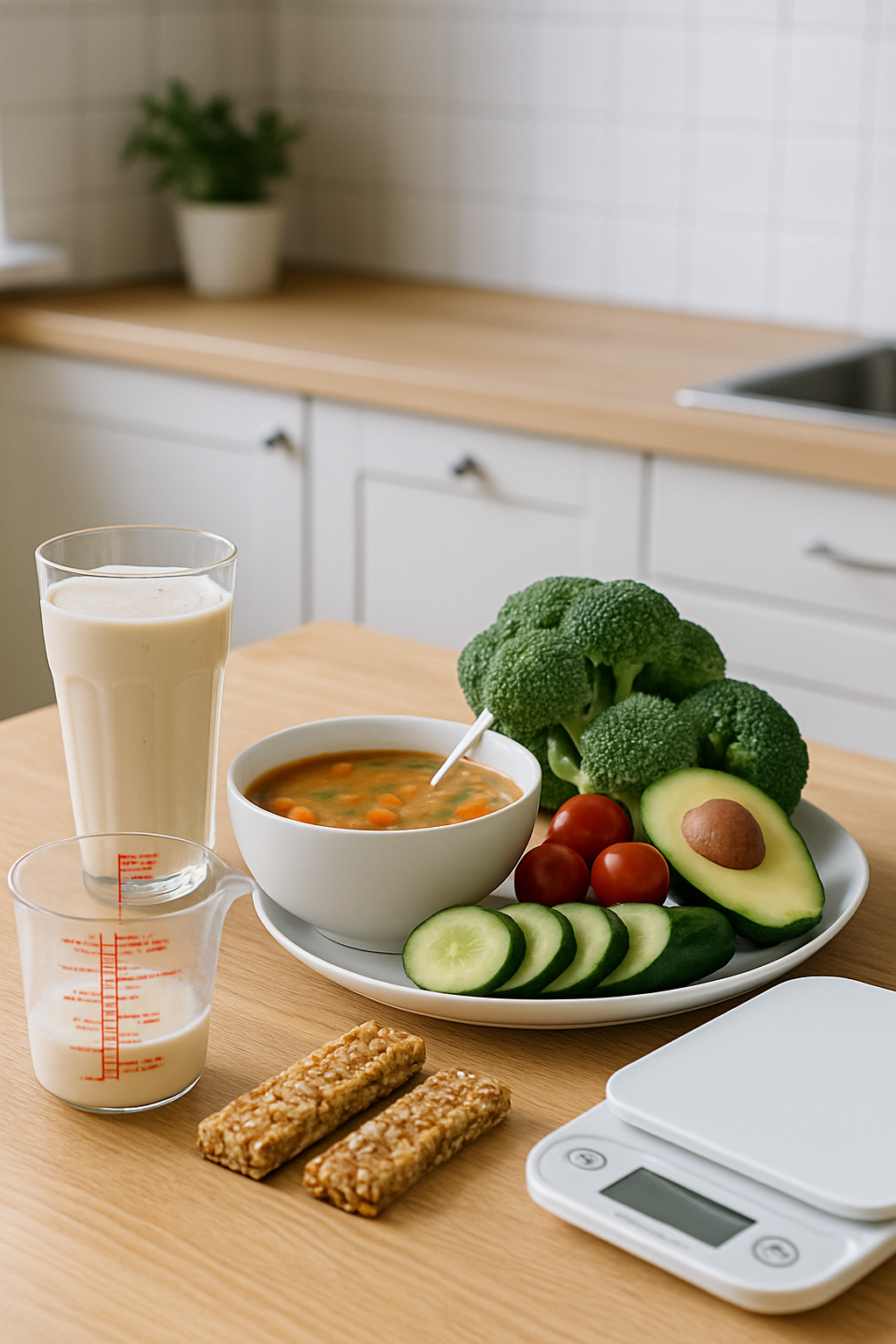
A VLCD restricts daily intake to as little as 800 calories, potentially leading to a weight loss of 3 to 5 pounds (1.5 to 2 kg) per week. These plans often utilize meal replacements like shakes, soups, or bars to ensure essential nutrient intake is met. VLCDs are typically reserved for adults with obesity who have a medical need for rapid weight reduction, such as before a surgical procedure, and require close monitoring by a healthcare provider for a period not exceeding 12 weeks.
Low-Calorie Diets (LCDs)
An LCD is a less extreme approach, typically allowing 1,000 to 1,200 calories daily for women and 1,200 to 1,600 for men. While the weight loss is slower than on a VLCD, an LCD can achieve comparable total weight loss and is considered a safer option for most people. These diets can combine meal replacements with regular food, making them more adaptable and easier to maintain.
Time-Restricted Eating & Intermittent Fasting
These methods focus on *when* you eat, not just *what* you eat. Time-restricted eating involves limiting your daily food consumption to a specific window, such as the popular 16:8 method (fasting for 16 hours and eating within an 8-hour period). Intermittent fasting follows patterns like the 5:2 diet, where you eat normally for five days a week and significantly restrict calories on two non-consecutive days. Both strategies can induce rapid weight loss, but long-term sustainability and effects are still being studied.
The Case for Sustainable Weight Loss
A crucial factor to consider is that individuals who lose weight very quickly are far more likely to regain it than those who lose weight gradually through sustainable diet modifications and physical activity. The body interprets rapid weight loss as a significant stressor, triggering a strong hormonal response that slows metabolism and increases hunger. This is a primary reason why weight loss plateaus and why weight is often regained once the restrictive diet ends.
The Role of Smart Calorie Tracking with SnapEat AI
Success in any weight management plan hinges on accurately monitoring your calorie intake. This is where technology like SnapEat AI can be a game-changer. As your all-in-one AI coach, SnapEat AI simplifies nutrition tracking. By taking a photo of your meal, the app instantly recognizes the food and provides a detailed calorie and nutrient count. This smart calorie counter eliminates guesswork, helping you adhere to your goals, whether you're on a structured LCD or a more flexible plan. It empowers you to track meals, monitor progress, set weight loss targets, and receive personalized guidance for a healthier, more informed journey.
Potential Health Benefits & Risks
For individuals whose health is compromised by obesity, medically supervised rapid weight loss can lead to significant improvements in conditions like diabetes, high cholesterol, and high blood pressure. However, losing more than 1-2 pounds a week without professional guidance can be unsafe for most people. It can cause a loss of muscle, water, and bone density. Other potential side effects of rapid weight loss include:
- Gallstones
- Gout
- Fatigue and lethargy
- Constipation or diarrhea
- Nausea
Furthermore, the high probability of rapid weight regain can create a frustrating and unhealthy cycle for many.
When to Consult a Professional
It is not recommended to undertake a rapid weight loss diet on your own. Such diets are generally not considered safe for children, teenagers, pregnant women, or older adults unless specifically prescribed and monitored by a doctor. If you have any existing health conditions, discussing your weight loss goals with a healthcare provider before starting any diet is a critical first step to ensure your safety and well-being.