


The Burnout Effect: Why We Fall Off the Health Wagon
This isn't just about feeling tired; it's a state of chronic mental exhaustion that psychologists call decision fatigue. When it comes to our health, every choice—what to eat, when to work out, whether to have that cookie—depletes your mental energy. When you're already stressed from life, your capacity for making healthy decisions plummets.
This triggers a direct physiological impact. Stress floods your body with the hormone cortisol, which can disrupt sleep, increase appetite, and encourage your body to store fat, particularly around the midsection. You start craving high-sugar, high-fat "comfort foods" not because you lack willpower, but because your brain is biologically wired to seek quick energy. This creates a vicious cycle:
- Stress Rises: This leads to poor food choices and skipped workouts.
- Poor Nutrition & Fatigue: This causes low energy and even greater feelings of stress.
- Guilt & Frustration: These feelings set in, making it seem impossible to get back on track.
This is the point where most people give up. But it doesn't have to be this way.
Reclaiming Your Game Plan: Strategies for Sustainable Health
Just as Rory McIlroy recognized the need for a strategic pause, the first step to overcoming burnout is to give yourself grace. Remember, consistency, not perfection, is the goal. Here’s how to simplify your approach when you feel overwhelmed.
1. Prioritize Rest as a Productive Tool
See sleep not as a luxury, but as your most critical performance-enhancing tool. Aiming for 7-9 hours of quality sleep helps regulate cortisol and hunger hormones like ghrelin and leptin, making it easier to manage cravings and make better food choices.
2. Simplify Your Nutrition
When you’re experiencing mental fatigue, you don't have the bandwidth for complex recipes or restrictive diets. Focus on the basics:
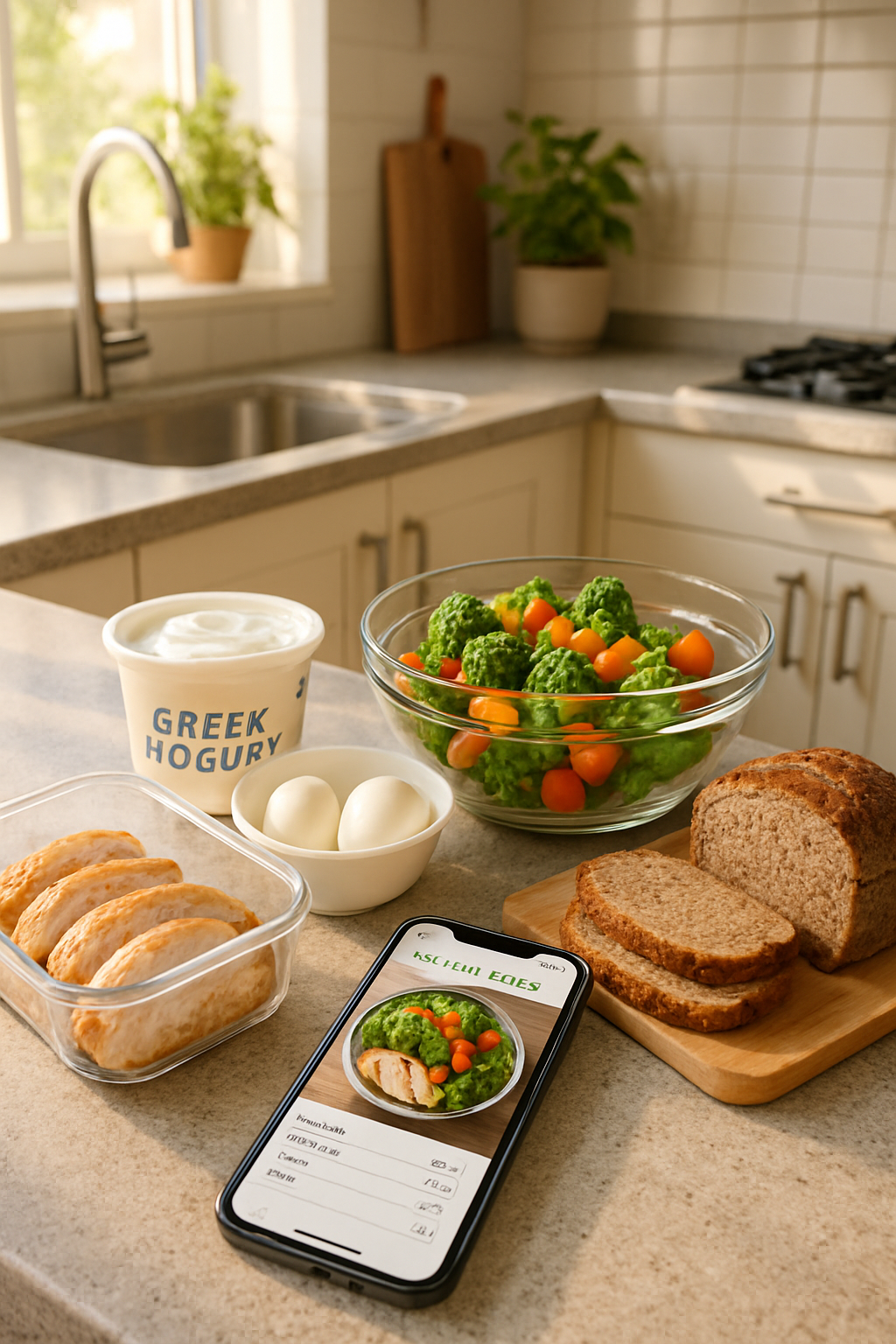
- Have easy protein sources on hand: Think Greek yogurt, pre-cooked chicken, eggs, or protein powder.
- Make veggies accessible: Keep washed and cut vegetables in the fridge for quick snacks or to add to meals.
- Don’t ban favorites: Enjoy your favorite foods mindfully and in moderation to prevent feelings of deprivation that can lead to bingeing.
3. Leverage Technology to Reduce Mental Load
Manually logging every morsel of food can feel like another exhausting chore. This is precisely where modern solutions can make a world of difference, acting as a supportive partner rather than another task on your to-do list.
SnapEat AI: Your Caddie for Navigating Health Goals
Imagine having a personal caddie for your nutrition—one that does the heavy lifting for you, without judgment. That's the power of SnapEat AI. It’s designed specifically to solve the problems that lead to health goal burnout.
Frictionless Tracking to Eliminate Fatigue
The biggest barrier to food logging is the effort. With SnapEat AI, this barrier disappears. You simply snap a photo of your meal. That’s it. The AI analyzes the image, identifies the foods, and estimates the nutritional information for you. This removes the decision fatigue of manual entry, making it effortless to stay consistent even on your most tired days.
AI-Powered Insights Without the Effort
When you're dealing with the link between stress and nutrition, you don't want to spend hours analyzing macronutrient charts. SnapEat AI does it for you, providing clear, simple feedback on your eating patterns. It acts as an objective partner, delivering data-driven insights that help you make better choices without the emotional baggage of self-critique.
Consistency Over Perfection
Had a stressful day and reached for pizza? It happens. Instead of a spiral of guilt, SnapEat AI makes it easy to get right back on course. Just snap your next healthy meal. The app helps you see the bigger picture—that one "off" meal doesn't derail your entire journey. It’s a tool built for the reality of human life, promoting a long-term, sustainable approach to health.
Frequently Asked Questions (FAQ)
How do I get back on track with my diet after a bad week?
Start small. Don't try to overhaul everything at once. Focus on your next meal. Make it a balanced one with protein, carbs, and healthy fats. Hydrate well. Most importantly, let go of the guilt from the past week. Your journey is a marathon, not a sprint.
Is a food tracking app good for stress?
It depends on the app. A tedious, manual tracking app can add to your stress. However, a frictionless app like SnapEat AI is designed to reduce stress by automating the logging process and providing non-judgmental feedback, helping you stay aware without the extra work.
What is the fastest way to fix stress eating?
The fastest way is to first identify your triggers. Are you hungry, or are you feeling an emotion? Before eating, try drinking a glass of water and waiting 10 minutes. If you're still hungry, choose a healthy snack. If it's emotional, try a non-food coping mechanism like a short walk, deep breathing, or listening to music.
Conclusion: It's Your Game, Play it at Your Pace
Rory McIlroy’s withdrawal wasn't a sign of weakness; it was a sign of strategic wisdom. He knew that to compete for the long haul, he needed to manage his energy and prevent burnout. The same is true for your health journey.
There will be times when you need to ease up and simplify. The key is not to abandon your goals. Be kind to yourself, acknowledge the impact of stress, and use powerful, easy-to-use tools like SnapEat AI to navigate the challenges. You can build a truly sustainable path to wellness—one photo, one meal, and one day at a time.