


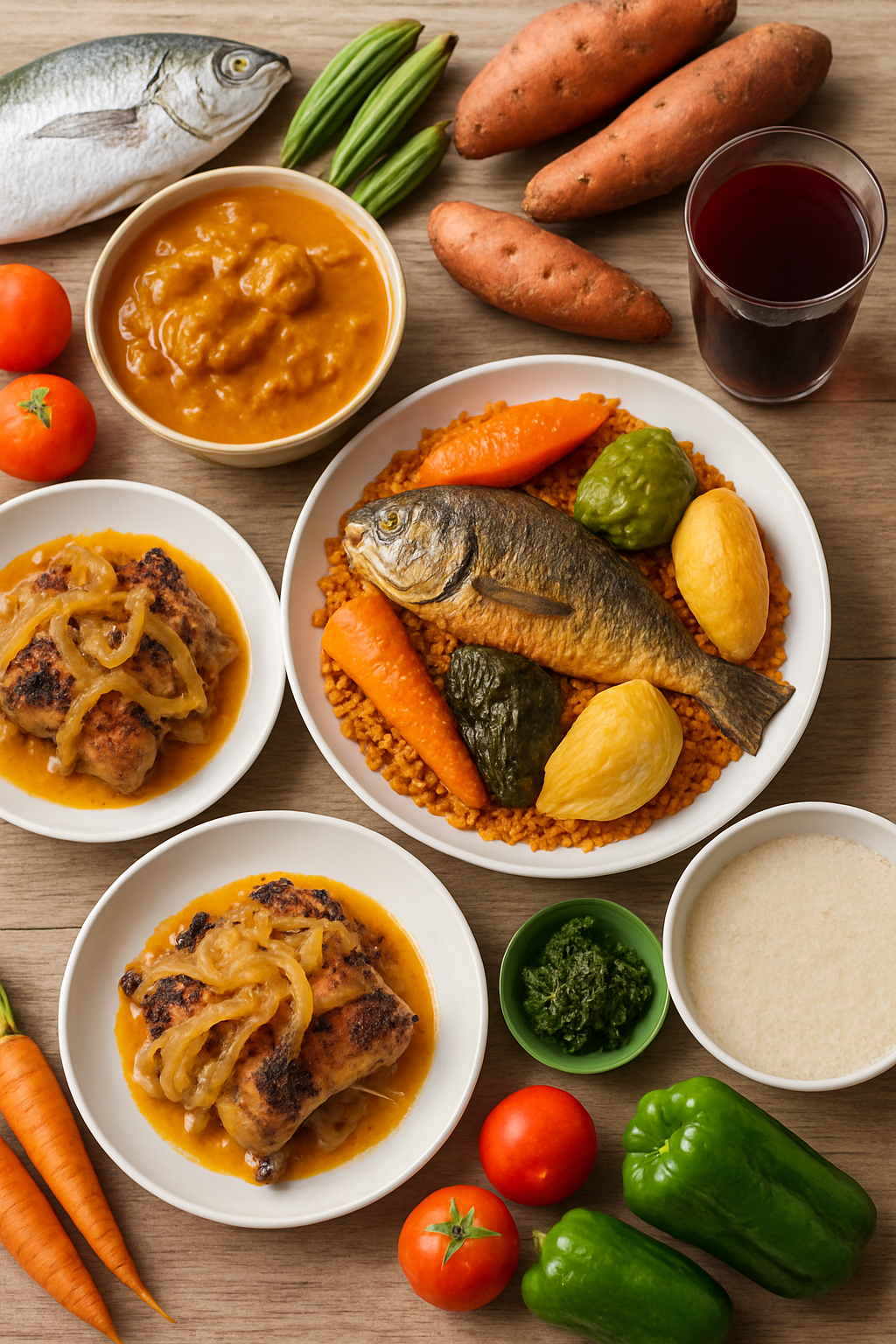
Understanding Senegal's Nutritional Landscape
At its heart, Senegalese cuisine is built on a foundation of wholesome, nutrient-dense ingredients. The secret to healthy eating in Senegal is knowing how to navigate the menu. By understanding the core components and common pitfalls, you can make choices that align with your health goals.
The Healthy Core: Nature's Bounty
Senegal's long coastline and fertile land provide an abundance of nutritious options:
- Lean Protein Power: Fresh fish like Thiof (white grouper) and Yaboy (sardines) are packed with omega-3 fatty acids and protein, perfect for muscle repair and satiety.
- Vegetable Variety: Dishes are often loaded with a diverse array of vegetables like sweet potatoes, okra, eggplant, and cassava, providing essential vitamins and fiber.
- Complex Carbs & Legumes: Grains like millet and fonio, along with various beans, offer excellent sources of sustained energy and dietary fiber.
The Common Pitfalls: Where Calories Hide
The challenge often lies in traditional preparation methods and portion sizes:
- Generous Use of Oil: Many recipes call for a significant amount of vegetable or palm oil, which can dramatically increase the calorie density of a dish.
- Refined Carbohydrate Portions: The cornerstone of many meals is a large serving of white rice. While delicious, it's a refined carb that can spike blood sugar.
- Hidden Sugars: Beloved local drinks like Bissap (hibiscus) and Bouye (baobab fruit) are frequently served with a lot of sugar, adding empty calories.
Nutritional Secrets of Thieboudienne, Yassa, and Mafe
Understanding the Senegalese cuisine nutrition profile of popular dishes is the first step to empowerment. Let's break down the classics:
- Thieboudienne: The national dish can be a well-balanced meal with its fish and numerous vegetables. The key is the ratio. A higher vegetable-to-rice ratio and less oil in the preparation make it a healthier choice.
- Yassa: This delicious onion and lemon-based sauce is fantastic with lean protein like chicken (Yassa Poulet). However, it becomes much richer and higher in fat when made with lamb (Yassa Mouton).
- Mafe: As a peanut-based stew, Mafe is a great source of protein and healthy fats. The keyword here is portion size. Its calorie density means a smaller serving is often sufficient.
How SnapEat AI Becomes Your Personal Nutrition Coach in Senegal
This is where technology transforms your health journey. SnapEat AI acts as your personal nutrition coach in Senegal, fluent in the language of local food and designed for your modern lifestyle.
- Snap a Photo, Get the Facts: The process is simple. Take a picture of your meal, whether it's a complex bowl of Thieboudienne or a simple plate of grilled fish.
- AI Trained for Local Cuisine: SnapEat's powerful image recognition doesn't just see "stew with rice"; it's trained to identify specific West African dishes like Mafe or Yassa and estimate their core components.
- Go Beyond Calories: In seconds, the app provides a detailed nutritional breakdown, including estimated calories, macronutrients (protein, carbs, fat), and a list of likely ingredients. This instant feedback is a game-changer for mindful eating.
"Our AI is specifically trained on thousands of images of local dishes, allowing it to provide a far more accurate analysis than generic food trackers. It's like having a local nutritionist in your pocket," says the Head of Nutrition Science at SnapEat.
Practical Strategies for Healthy Eating with SnapEat AI
Here’s how to use SnapEat AI to make tangible, healthy changes without sacrificing flavor.
Strategy 1: Decode Your Plate
Ever wondered about the real nutritional information of Thieboudienne? Snap a picture before you eat. Seeing the estimated calorie count empowers you to ask for more vegetables (ñaari ñepp) and less rice.
Strategy 2: Make Smarter Swaps
Torn between two dishes? Use your logs in SnapEat AI to compare. You might discover that Grilled Chicken Yassa is a significantly lighter choice than fried fish, helping you find healthy Senegalese food for weight loss.
Strategy 3: Master Portion Control
Senegalese hospitality means generous portions. Use the app to visualize what a standard serving size looks like. This empowers you to manage your intake effectively, even when dining out.
Strategy 4: Track and Adjust
Log your meals daily to create a food diary. This gives you a clear picture of your habits, helps you stay accountable, and allows you to see the positive impact of your smarter choices over time.
A Sample Healthy Day in Dakar, Guided by SnapEat AI
Here’s what applying these strategies looks like in practice:
- Breakfast: A bowl of millet porridge ('lakh'). You log it with SnapEat AI, opting for fresh fruit instead of sweetened condensed milk, saving over 100 calories.
- Lunch: You're having Yassa Poulet. You snap a photo. The app shows a good protein count but high carbs. You decide to eat half the rice, balancing your macros for the day.
- Dinner: A light and simple meal of grilled Thiof with a side of sautéed local greens. It's quick to log and perfectly fits within your daily calorie target.
- Hydration: When offered Bissap, you ask for it "sans sucre" (without sugar), a simple choice that avoids unnecessary empty calories.
Frequently Asked Questions (FAQ)
1. Is Senegalese food generally healthy?
Senegalese food has a very healthy foundation based on fresh fish, lean meats, vegetables, and legumes. Healthiness often depends on the preparation method (oil content) and portion sizes (especially white rice). By making conscious choices, it can be a very healthy and balanced diet.
2. How many calories are in a typical plate of Thieboudienne?
A restaurant-sized portion of Thieboudienne can range from 700 to over 1200 calories, depending heavily on the amount of oil used and the rice-to-vegetable ratio. Using an app like SnapEat AI can help you get a more personalized estimate for your specific meal.
3. Can I lose weight while eating Senegalese food?
Absolutely. Weight loss is about maintaining a consistent calorie deficit. By using SnapEat AI to track your intake, prioritizing grilled over fried options, managing rice portions, and increasing your vegetable intake, you can effectively lose weight while still enjoying the local cuisine.
4. What is the best nutrition app for African food?
SnapEat AI is specifically designed to be the best nutrition app for African food, with an AI model trained to recognize unique dishes from Senegal and across the continent. Generic apps often fail to accurately identify and analyze the nutritional content of these complex, delicious meals.
Conclusion: Embrace Senegalese Food, Empowered by Knowledge
Healthy eating in Senegal isn’t about sacrificing the rich culinary traditions that make this country so special. It’s about embracing them with awareness and making conscious choices. The flavors of Senegal are a gift, and with the right tools, you can enjoy them in a way that nourishes your body and supports your well-being. Stop guessing and start knowing. Let SnapEat AI be your trusted guide to confidently navigating the vibrant world of Senegalese cuisine. Ready to transform your relationship with food? Download SnapEat AI today and unlock your path to a healthier, more empowered you.