


The Ramadan Eating Challenge: Why Healthy Iftar Can Be Tricky
During a fast, your metabolism adapts, and when it's time to break it, your body craves quick energy—often from sugar and fats. Traditional Iftar spreads, while delicious, are frequently rich in fried foods, sweet drinks (*takjil*), and refined carbohydrates. This common scenario can lead to several challenges:
- Energy Spikes and Crashes: High-sugar foods cause a rapid blood sugar rise, followed by a sharp crash that leaves you feeling tired and sluggish before Tarawih prayers.
- Unwanted Weight Gain: Consistently consuming more calories than your body needs, especially in a short eating window, can lead to weight gain over the month.
- Poor Digestion: Overloading your digestive system after a day of rest can cause bloating, indigestion, and discomfort.
The goal isn't deprivation but awareness. Understanding the nutritional content of your meals is the first step toward a healthier Ramadan, and that's where technology becomes your most powerful ally.
Meet Your Smart Calorie Counter for Ramadan: SnapEat AI
Imagine knowing the nutritional value of your family's famous *rendang* or the tempting *gorengan* from the local market, all from a single photo. That is the power of SnapEat AI.
SnapEat AI is an intelligent calorie counter for Ramadan that uses advanced AI to analyze the food on your plate. Forget manual data entry. Just snap a picture of your meal, and the app instantly provides a detailed breakdown of its calories, protein, carbohydrates, and fats.
How SnapEat AI Solves the #bukber Challenge:
- Removes the Guesswork: How many calories are in a serving of *opor ayam* or a bowl of *kolak*? SnapEat AI's AI-powered calorie counting for traditional food eliminates the mystery, giving you an accurate picture of your intake.
- Promotes Mindful Choices: By seeing the nutritional facts *before* you eat, you're empowered to make smarter decisions in real-time. Perhaps you'll opt for one less fried item or add an extra serving of vegetables to balance your plate.
- Tracks Your Progress Seamlessly: Logging your Iftar and Suhoor meals helps you monitor your daily and weekly patterns, making it easy to adjust your Ramadan diet for optimal energy and wellness.
How to Build a Balanced and Healthy Ramadan Plate
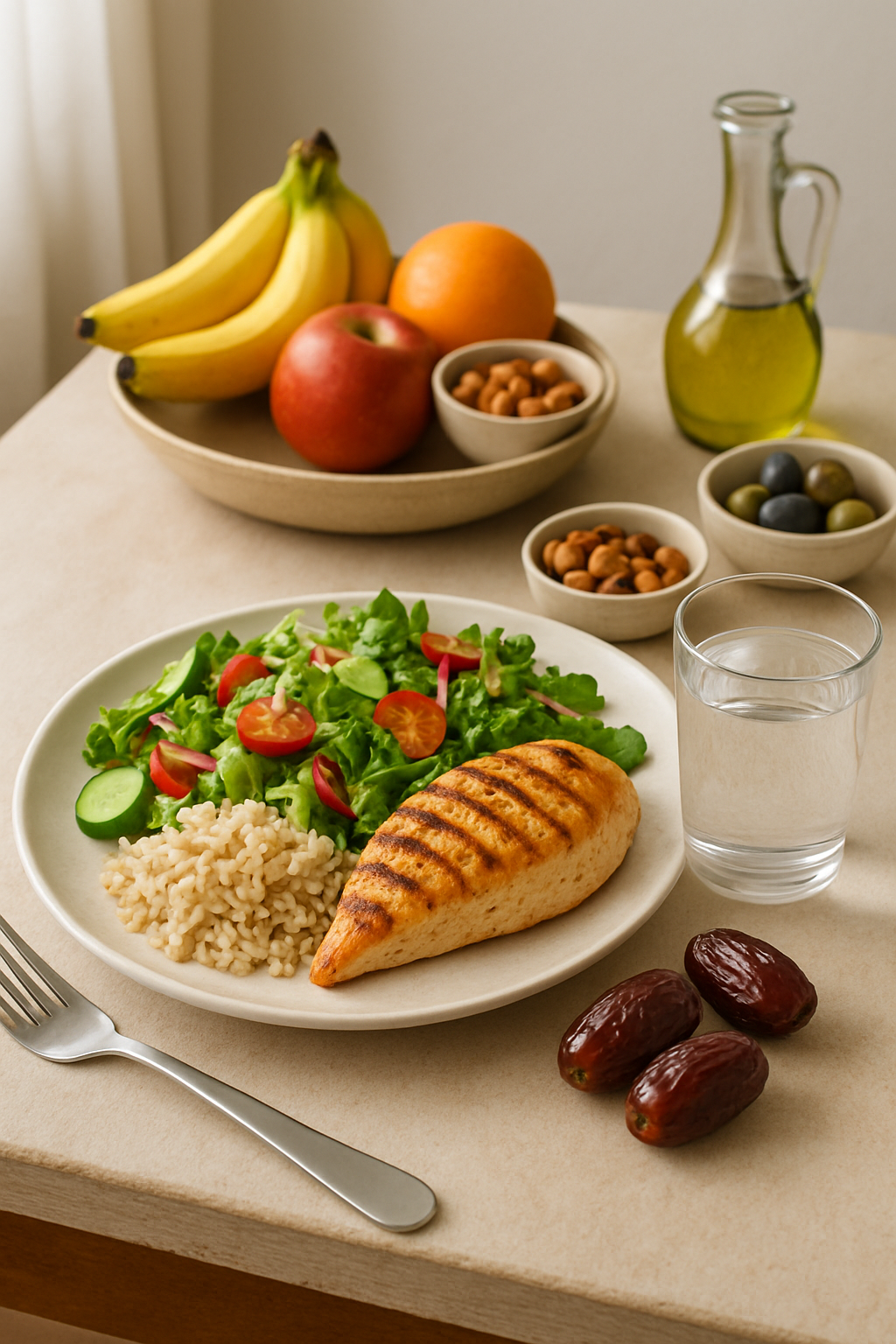
To stay energized and nourished, focus on building a balanced plate for both Iftar and Suhoor. The Plate Method, recommended by dietitians, is a simple visual guide:
- Half Your Plate: Vegetables & Fruits. Fill it with a colorful salad, steamed *kangkung*, or roasted vegetables. These are packed with fiber and vitamins, helping you feel full and supporting healthy digestion.
- One-Quarter of Your Plate: Lean Protein. Protein is crucial for preserving muscle mass during fasting and providing lasting satiety. Choose options like grilled chicken (*ayam bakar*), baked fish (*ikan panggang*), eggs, lentils, or tofu.
- One-Quarter of Your Plate: Complex Carbohydrates. Opt for slow-releasing carbs for sustained energy. Think brown rice, quinoa, sweet potatoes, or whole-wheat bread instead of white rice and white bread.
- Add Healthy Fats: Incorporate sources like avocado, a handful of nuts, or a drizzle of olive oil. These are essential for nutrient absorption.
Unsure of your plate's calories? Just snap it with SnapEat AI for an instant analysis before you eat!
Actionable Tips for a Healthier Iftar and Suhoor
Beyond building a better plate, these simple habits can transform your Ramadan eating experience:
- Start Smart: Break your fast traditionally with 1-3 dates and a glass of water. This rehydrates your body and provides a natural, gentle energy boost without spiking your blood sugar.
- Eat Slowly and Mindfully: Savor each bite. It takes about 20 minutes for your brain to register fullness. Eating slowly prevents overeating and improves digestion.
- Hydrate Strategically: Drink plenty of water between Iftar and Suhoor. Dehydration is often mistaken for hunger. Aim for 8-10 glasses throughout your eating window.
- Be Mindful of Sweets: Enjoy traditional desserts, but in moderation. Consider sharing a portion, opting for fresh fruit, or snapping a picture with SnapEat AI to understand its impact.
- Prioritize Protein for Suhoor: A Suhoor high in protein and fiber (like eggs with whole-wheat toast or a smoothie with Greek yogurt) will help you stay full and energized throughout your fast.
Frequently Asked Questions About Healthy Ramadan Eating
How can I count calories for complex homemade Indonesian food?
This is a major challenge that SnapEat AI is designed to solve. Instead of searching for ingredients, you simply take a photo of your meal. The AI analyzes the image and provides a calorie and macro estimate for dishes like rendang, opor, or gulai, making tracking easy.
What is the best food for Suhoor to avoid getting hungry?
The best Suhoor meals combine lean protein, complex carbohydrates, and healthy fats. This combination digests slowly, providing sustained energy. Examples include oatmeal with nuts, Greek yogurt with fruit, or scrambled eggs with avocado and whole-wheat toast.
How do I avoid feeling tired and sluggish after Iftar?
To avoid post-Iftar fatigue, start your meal with water and dates, eat slowly, and avoid large quantities of high-sugar or high-fat foods at the beginning of your meal. Prioritize a balanced plate with lean protein and vegetables before moving to heavier carbs or desserts.
Conclusion: Embrace a Mindful and Energetic Ramadan
This holy month is a beautiful opportunity to reset not just your spirit, but also your relationship with food. By practicing mindful eating and leveraging a powerful tool like SnapEat AI, you can enjoy every moment of your healthy #bukber gatherings with confidence and joy.
Nourish your body, maintain your energy, and make this Ramadan your healthiest one yet. Celebrate with intention and eat with awareness. Ready to transform your approach? Download SnapEat AI and start your journey to a more blessed and energetic Ramadan today!