


Why Your Sahur Meal is Non-Negotiable for a Healthy Ramadan
Think of Sahur as the fuel you put in your car before a long journey. Skipping it is like starting with an empty tank. As nutritionists, we can't stress this enough: a well-planned pre-dawn meal is critical for thriving during Ramadan. It helps with:
- Sustained Energy: Provides the glucose your brain and body need to function optimally, preventing the dreaded mid-day slump and lack of focus.
- Hydration: Sahur is your final and most important opportunity to hydrate before a long day of fasting.
- Muscle Preservation: Supplying your body with protein at Sahur helps prevent muscle breakdown (catabolism) for energy during the fast.
- Hunger Control: A balanced meal regulates blood sugar, significantly reducing the intensity of hunger pangs later in the day.
What to Eat for Sahur to Stay Full & Energized
The key to a successful Sahur is balancing three core macronutrients. Forget complicated diets; focus on this simple framework for a power-packed meal that provides slow-release energy and keeps you satisfied for hours.
1. Complex Carbohydrates: Your Slow-Release Energy Source
Unlike simple sugars that cause an energy crash, complex carbs digest slowly, providing a steady stream of fuel throughout the day. This is your primary energy source for fasting.
- Excellent Choices: Oats (porridge), whole-wheat bread or chapati, brown rice, quinoa, and sweet potatoes.
2. High-Quality Protein: The Satiety Champion
Protein is the most crucial nutrient for feeling full. It keeps you satisfied for longer and is essential for maintaining muscle mass during the fasting period.
- Excellent Choices: Eggs (boiled, scrambled), Greek yogurt, lentils (dal), chickpeas, beans, and lean chicken breast.
3. Healthy Fats: For Lasting Fullness
Healthy fats are vital for hormone regulation and add another powerful layer of satiety to your meal, helping you feel full and content until Iftar.
- Excellent Choices: Avocado, a handful of almonds or walnuts, chia seeds, flaxseeds, and olive oil.
Foods to Avoid for Sahur
What you don't eat is just as important. Avoid these to prevent thirst, bloating, and energy crashes:
- Sugary Foods: Pastries, donuts, sugary cereals, and sweetened juices cause a rapid blood sugar spike and subsequent crash.
- Salty & Fried Foods: Samosas, fried chicken, and salty pickles will increase thirst significantly during the day.
- Refined Carbs: White bread and white rice digest too quickly, leaving you hungry sooner.
The Problem with Manual Tracking (And The AI Solution)
You might know what to eat, but how do you ensure you're getting the right balance? Traditional food logging means weighing food, searching databases, and manually entering every item. It’s tedious, often inaccurate, and takes the joy out of eating—especially at 4 AM. This is where technology revolutionizes your health journey.
SnapEat AI: Your Personal Ramadan Nutritionist in Your Pocket
SnapEat AI is a game-changing AI nutrition tracker that makes healthy eating effortless. The concept is brilliantly simple: Just snap a photo of your meal, and the AI does the rest.
Here’s how this powerful food tracker app transforms your Ramadan:
- Effortless Tracking: No more manual entry. Take a picture of your Sahur plate, and SnapEat AI's advanced image recognition identifies the foods and estimates portions. It's the ultimate calorie counter app for Ramadan.
- Instant Nutritional Analysis: Within seconds, get a detailed breakdown of your meal's calories, protein, carbs, and fats. Instantly see if your meal aligns with your health goals.
- Learn and Adapt: Did your Sahur lack protein? SnapEat's feedback empowers you to make a better choice tomorrow. It turns every meal into a learning opportunity.
- Culturally Aware Food Recognition: Our AI is designed to recognize a wide variety of global dishes, including the home-cooked meals central to Ramadan, making it far more practical than generic trackers.
Your 3-Step Action Plan for a Perfect Sahur with SnapEat AI
Let's combine this into a simple, repeatable strategy for a healthier, more energetic Ramadan.
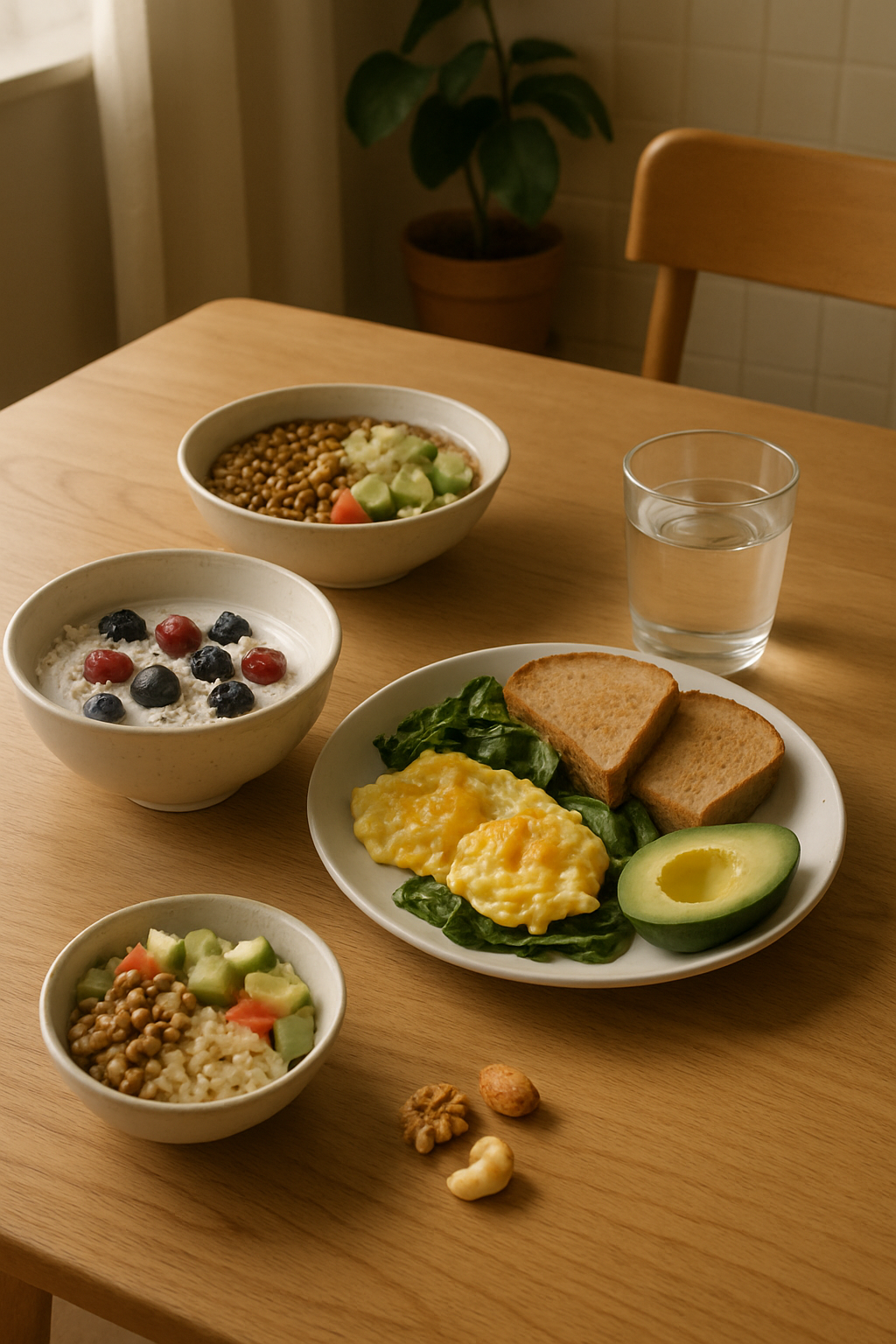
- Plan a Balanced Meal: Choose an easy Sahur meal idea. For example: A bowl of oatmeal made with milk, topped with berries and walnuts; or two scrambled eggs with a slice of whole-wheat toast and avocado.
- Eat Mindfully & Hydrate: Savor your food and drink 2-3 glasses of water during your Sahur window.
- Snap with SnapEat AI: Before you finish, open the app and take a quick photo of your meal. Review the instant nutritional breakdown to understand your intake and make informed choices the next day.
By embracing this simple process, you’re not just eating; you’re intentionally fueling your body for a successful day of worship. Ready to transform your Ramadan health? Download SnapEat AI today and make tracking your nutrition the easiest part of your day.
Frequently Asked Questions About Sahur Nutrition
1. How much water should I drink for Sahur?
Aim for at least 2-3 large glasses (500-750ml) of water during your Sahur window. Avoid gulping it all at once. Sip steadily. Eating water-rich foods like cucumber and watermelon also helps.
2. What are the worst foods to eat for Sahur?
The worst foods are highly processed, sugary, or deep-fried items. Things like pastries, white bread, and fried snacks will spike your blood sugar and lead to intense thirst and hunger later.
3. Is it better to have a protein shake or a whole meal for Sahur?
A whole-food meal is generally superior because it contains fiber and a wider range of micronutrients, promoting slower digestion and greater satiety. However, if you are short on time, a quality protein shake with added oats or chia seeds is a much better option than skipping Sahur entirely.