


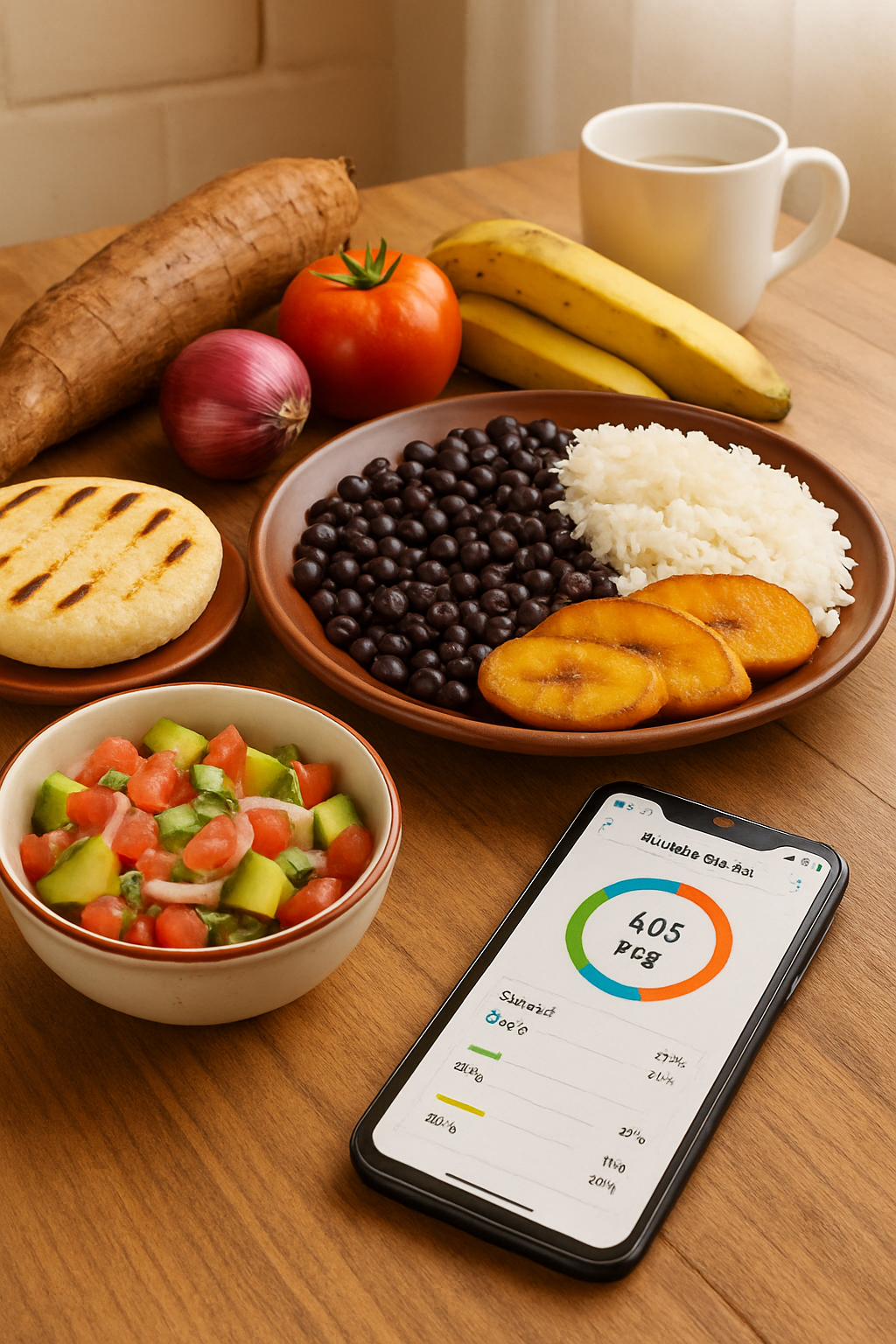
The Bright Spots: Why Venezuelan Cuisine Can Be Healthy
At its core, traditional Venezuelan cooking is built on a foundation of wholesome, natural ingredients. This is where its nutritional strength lies, offering a wealth of health benefits when prepared mindfully.
1. Complex Carbs from the Earth
Long before refined flours became common, root vegetables like yuca (cassava) and versatile plantains were dietary staples. When boiled, steamed, or baked, they are fantastic sources of complex carbohydrates, fiber, and essential vitamins that provide sustained energy without the blood sugar spike associated with processed carbs.
2. High-Quality Lean Protein
Venezuela’s diverse geography provides access to excellent protein. Grilled meats (carne a la parrilla), fresh fish from its long coastline, and shredded chicken (pollo mechado) are all lean protein building blocks, crucial for muscle repair, satiety, and maintaining a healthy metabolism.
3. A Rainbow of Fresh Produce
Think of the fresh, zesty guasacaca—a vibrant sauce made from avocado, onions, peppers, and cilantro. Avocados provide heart-healthy monounsaturated fats, while tomatoes, onions, and peppers offer a wealth of antioxidants and vitamins. These fresh ingredients are central to the authentic Venezuelan diet.
4. The Power of Legumes
Black beans (caraotas negras) are non-negotiable in many dishes, and for good reason. They are a nutritional powerhouse, packed with plant-based protein, dietary fiber, and iron. This high-fiber content aids digestive health and helps you feel fuller for longer, which is a key aspect of weight management.
Nutritional Challenges: Where Calories Hide
While the base ingredients are healthy, certain cooking methods and popular additions can turn a nutritious meal into a high-calorie one. Here’s what to watch for when navigating Venezuelan cuisine nutrition.
- The Frying Factor: Many beloved staples—arepas, empanadas, and tequeños (cheese sticks)—are traditionally deep-fried. This method dramatically increases the calorie count and adds unhealthy saturated and trans fats. A fried empanada can have over 400 calories before it's even filled.
- Refined Carbohydrates: The convenience of pre-cooked cornmeal (harina P.A.N.) has made it the go-to for arepas. While delicious, it is a refined carbohydrate, meaning it has less fiber than whole-grain corn and can cause a quicker spike in blood sugar.
- High-Fat & High-Sodium Add-ins: Delicious Venezuelan cheeses like the salty queso de mano can be high in sodium and fat. Creamy sauces and processed meats used as fillings also contribute significant calories and saturated fat.
- Sugary Beverages: A meal is often paired with a sweet drink. Papelón con limón (made from cane sugar) and popular sodas are high in added sugars, offering empty calories that can hinder weight loss goals.
Nutrition Analysis of Iconic Dishes: Arepa & Pabellón Criollo
Let's break down two famous dishes to see how small choices have a big impact on the overall healthiness of your meal.
Arepa Nutrition: A Tale of Two Preparations
The arepa's healthiness depends entirely on how it's cooked and filled. This versatility is both its strength and its weakness.
- The Healthy Choice: The Grilled Arepa (Asada)
This simple switch eliminates hundreds of calories from oil. Fill it with smart choices like reina pepiada (chicken and avocado salad), dominó (black beans and light cheese), or shredded beef for a meal packed with protein, healthy fats, and fiber. - The Calorie-Dense Choice: The Fried Arepa (Frita)
A fried arepa, especially when stuffed with fatty pork (pernil) and loaded with heavy sauces and yellow cheese, can easily exceed 800-1000 calories, making it a less-than-ideal choice for a regular meal.
Pabellón Criollo: How to Optimize the National Dish
This meal of shredded beef, black beans, white rice, and fried plantains can be a well-balanced plate, but requires a nutritionist's tweak.
- The Nutritional Pros: The combination of beef and beans provides a complete protein source and ample fiber. It's a satisfying and energy-giving meal.
- The Healthier Tweaks: The main culprits are the fried plantains (tajadas) and large portion sizes. To make it healthier, ask for baked plantains, control the rice portion, and request sauces on the side. This simple modification can save you over 200 calories and significant unhealthy fat.
Your Secret Weapon: Making Healthy Choices with SnapEat AI
Knowing the theory is one thing, but applying it in a restaurant is another. This is where SnapEat AI becomes your personal nutrition guide.
Imagine a plate of Pabellón Criollo arrives. Instead of guessing its nutritional impact, you simply:
- Snap a Photo: Open the SnapEat AI app and take a picture of your meal.
- Get Instant Analysis: In seconds, the AI identifies each component—shredded beef, rice, beans, and fried plantains—and provides a detailed breakdown of the estimated calories, protein, carbs, and fats.
- Receive Smart Suggestions: SnapEat AI doesn't just give you data; it provides actionable advice. It might highlight that the fried plantains are high in fat and suggest opting for a fresh salad next time. It empowers you to enjoy the food you love while staying accountable to your goals.
Ready to take control? Download SnapEat AI and turn your phone into a powerful tool for navigating any cuisine with confidence.
FAQ: Your Questions on Healthy Venezuelan Food Answered
Is Pabellón Criollo healthy?
It can be! The core components (beef, beans) are nutritious. Its healthiness depends on portion sizes and cooking method for the plantains. Opt for baked plantains and a reasonable portion of rice to make it a balanced, healthy meal.
What is the healthiest way to eat arepas?
The healthiest way is to eat them grilled (asada), not fried. Fill them with lean proteins like shredded chicken or fish, black beans, and healthy fats like avocado (as in reina pepiada).
Can I follow a Venezuelan diet for weight loss?
Yes. A Venezuelan diet focused on whole foods—grilled meats, fish, yuca, baked plantains, abundant salads, and beans—can be effective for weight loss. The key is to avoid fried foods, sugary drinks, and excessive cheese and creamy sauces, while controlling portions.
What are the calories in an arepa?
A plain, medium-sized grilled arepa made from harina P.A.N. has about 180-200 calories. Frying it can increase that to 350-400 calories before any fillings are added. Fillings can add anywhere from 100 to 500+ calories.
Conclusion: A Delicious and Healthy Balance is Possible
So, is Venezuelan food healthy? The answer is a dynamic one. The cuisine is a territory with paths leading to incredible nutrition and others to over-indulgence. The beauty is that you are the navigator.
By focusing on whole-food ingredients, opting for grilling over frying, and being mindful of portion sizes, you can absolutely make Venezuelan cuisine a regular part of a healthy lifestyle. Don't be afraid to explore this delicious culinary world. Embrace the flavors, celebrate the culture, and use powerful tools like SnapEat AI to guide you toward the perfect balance.