


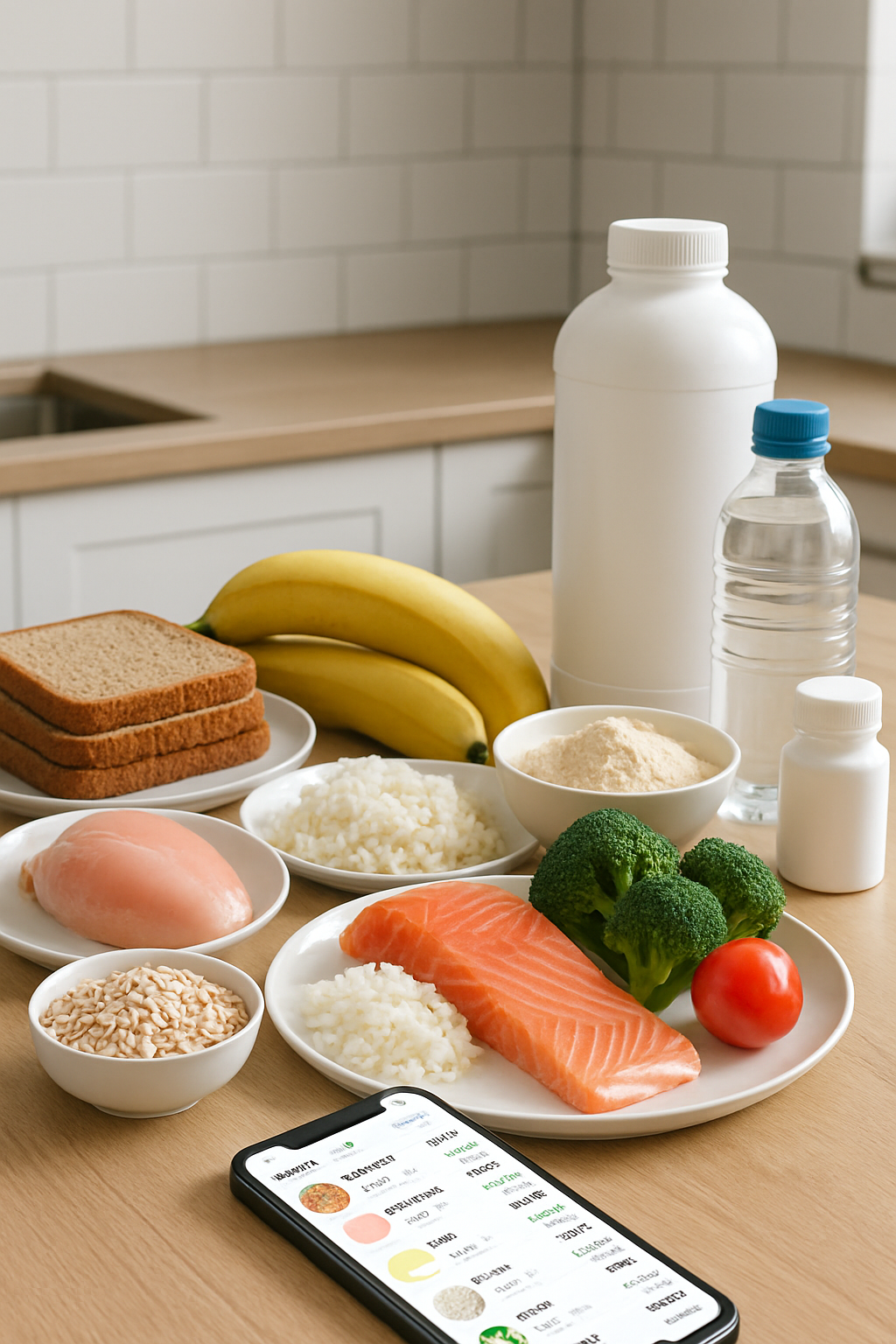
The Engine Room: Why Your Diet Dictates On-Ice Dominance
To perform at your peak, your body needs the right fuel at the right time. A well-structured hockey player diet plan isn't about restriction; it's about strategic fueling for endurance and power. Your performance rests on three macronutrient pillars and the unsung heroes of hydration and micronutrients.
Carbohydrates: Your High-Octane Fuel
Carbohydrates are the primary energy source for hockey's explosive demands. They are stored as glycogen in your muscles and liver, ready to be used for high-intensity sprints, quick direction changes, and maintaining stamina into the third period. A lack of carbs leads directly to early fatigue, slower reaction times, and poor on-ice decisions.
- Complex Carbs: For sustained energy. Examples include oatmeal, brown rice, quinoa, and whole-wheat pasta.
- Simple Carbs: For quick energy boosts, useful closer to game time or during intermissions. Examples include fruits and sports drinks.
Protein: The Muscle Repair Crew
Think of protein as your dedicated repair team. Every stride, shot, and body check creates micro-tears in your muscle fibers. Protein provides the essential amino acids for muscle repair, recovery, and building the strength needed to win puck battles and protect against injury.
Fats: The Foundation for Health and Endurance
Healthy fats are vital for hormone function (including testosterone for muscle growth), reducing inflammation, and providing long-duration energy. A diet rich in avocados, nuts, seeds, and olive oil is a core part of any elite athlete nutrition strategy.
Hydration & Micronutrients: The Unseen Advantage
Often overlooked, proper hydration is critical for preventing cramps, regulating body temperature, and maintaining focus. Dehydration is a direct path to decreased performance. Similarly, micronutrients (vitamins and minerals) act as the spark plugs for your metabolism, facilitating energy transfer and keeping your body's systems firing optimally.
The Problem with Guesswork: Why Manual Meal Tracking Fails Athletes
You know you need to eat right, but are you sure you're getting it right? For years, athletes relied on manual food diaries or clunky logging apps. This old method is fundamentally flawed for high-performers:
- Inaccuracy: Guessing portion sizes leads to wildly incorrect calorie and macro counts.
- Time-Consuming: A demanding training and game schedule leaves little time for tedious manual data entry.
- Lack of Insight: Inconsistent data provides no clear picture of how your diet is impacting your performance, leaving you to guess what's working.
SnapEat AI: Your Personal Hockey Nutritionist in Your Pocket
Imagine tracking your meals with the speed of a slapshot. That's the power of the SnapEat AI meal tracking app. This innovative tool uses advanced AI to revolutionize how you manage your nutrition.
The process is brilliantly simple:
- Snap: Take a photo of your meal with your phone.
- Track: The AI instantly recognizes the food, estimates portions, and logs the calories, protein, carbs, and fats.
- Perform: Use accurate, real-time data to make informed decisions that directly fuel your on-ice performance.
For a hockey player, this means more time for rest, pinpoint accuracy in your diet, and a clear connection between what you eat and how you feel on the ice.
Your Hockey Nutrition Game Plan: Pre-Game, Recovery & Off-Day Strategy
Let's put this into practice. Here’s how you can use an AI meal tracker for athletes to execute a perfect nutrition strategy for every situation.
1. Pre-Game Fueling for Explosive Energy
This answers the most common question: "what to eat before a hockey game?" The goal is to top off your glycogen stores. Consume a meal rich in complex carbohydrates with moderate, easily digestible protein 2-4 hours before puck drop.
- Meal Ideas: Grilled chicken with quinoa and roasted vegetables; a turkey sandwich on whole-wheat bread; or oatmeal with berries and a scoop of protein powder.
- How SnapEat AI Helps: Snap your pre-game meal to instantly verify you've hit your carb target. No more guessing if you're properly fueled for the first period.
2. Post-Game Recovery for Faster Rebuilding
The 30-90 minutes after a game is the critical window for recovery. Your body is primed to absorb nutrients to repair muscle and replenish energy. Aim for a 3:1 ratio of carbohydrates to protein in your post-game recovery meal.
- Meal Ideas: A chocolate milk or protein shake with a banana; Greek yogurt with fruit and honey; or a plate of rice with baked fish.
- How SnapEat AI Helps: After a tough game, just snap your recovery meal or shake. The app confirms you're giving your body the exact tools needed to kickstart muscle synthesis and reduce soreness for the next day.
3. Off-Day Optimization for Maximum Adaptation
Rest days are when you get stronger. While your calorie needs might be lower, your protein requirements remain high to facilitate muscle repair and growth. This is where precise tracking is key to avoiding unwanted fat gain while maximizing recovery.
- How SnapEat AI Helps: Easily monitor your daily intake to ensure you're in a slight caloric deficit or at maintenance while keeping protein high. This is fundamental to understanding how to track macros for hockey performance and long-term progress.
Frequently Asked Questions (FAQ) about Hockey Nutrition
What are some good pre-game snacks if I only have an hour?
If you're short on time, focus on simple, fast-digesting carbohydrates. A banana, a handful of dried fruit, or a small granola bar are excellent choices that provide quick energy without sitting heavy in your stomach.
How much water should a hockey player drink?
Aim for at least 3-4 liters per day, plus more during training and games. Monitor your urine color; a pale yellow color indicates good hydration. Don't wait until you're thirsty to drink.
Is a low-carb diet good for hockey players?
No. For a high-intensity sport like hockey, a low-carb diet is detrimental to performance. Carbohydrates are the most efficient fuel source for your muscles during games and practices. Limiting them will severely impact your speed, stamina, and focus.
Can SnapEat AI track my supplements like protein powder?
Yes. You can easily add supplements like protein shakes, creatine, or vitamin packs to your daily log to get a complete picture of your nutritional intake, ensuring all aspects of your diet are accounted for.
Stop Guessing, Start Dominating
Your opponents are training hard, but are they fueling smart? Superior hockey nutrition is the ultimate competitive advantage that you can control. It builds endurance, accelerates recovery, and gives you the power to dominate in the third period when everyone else is fading.
Stop leaving your performance to chance. By replacing outdated manual logs with a powerful meal tracking app like SnapEat AI, you transform nutrition from a daily chore into a strategic weapon.
Ready to unlock your true on-ice potential? Your next best shift starts in the kitchen. Take control, leverage technology, and fuel your way to the next level.