


The Foundation: A Safe Caloric Deficit
Before any food list or workout plan, the most critical principle is the caloric deficit. This is the undisputed science of weight loss. Simply put, you must consume fewer calories than your body burns. When this happens, your body taps into its stored energy—fat—to fuel itself.
A safe, effective, and sustainable deficit is around 500-750 calories per day. This typically leads to a loss of 1-2 pounds (0.5-1 kg) per week, a rate recommended by health authorities like the CDC. This pace ensures you're primarily losing fat, not precious muscle, and it prevents your metabolism from slowing down drastically. Extreme diets that cut calories too low often backfire, leading to muscle loss, nutrient deficiencies, and burnout.
Nutrition: Your Most Powerful Lever for Fast Results
What you eat has the biggest impact on creating a deficit. Focus on these science-backed nutrition strategies to accelerate fat loss efficiently.
1. Prioritize Protein
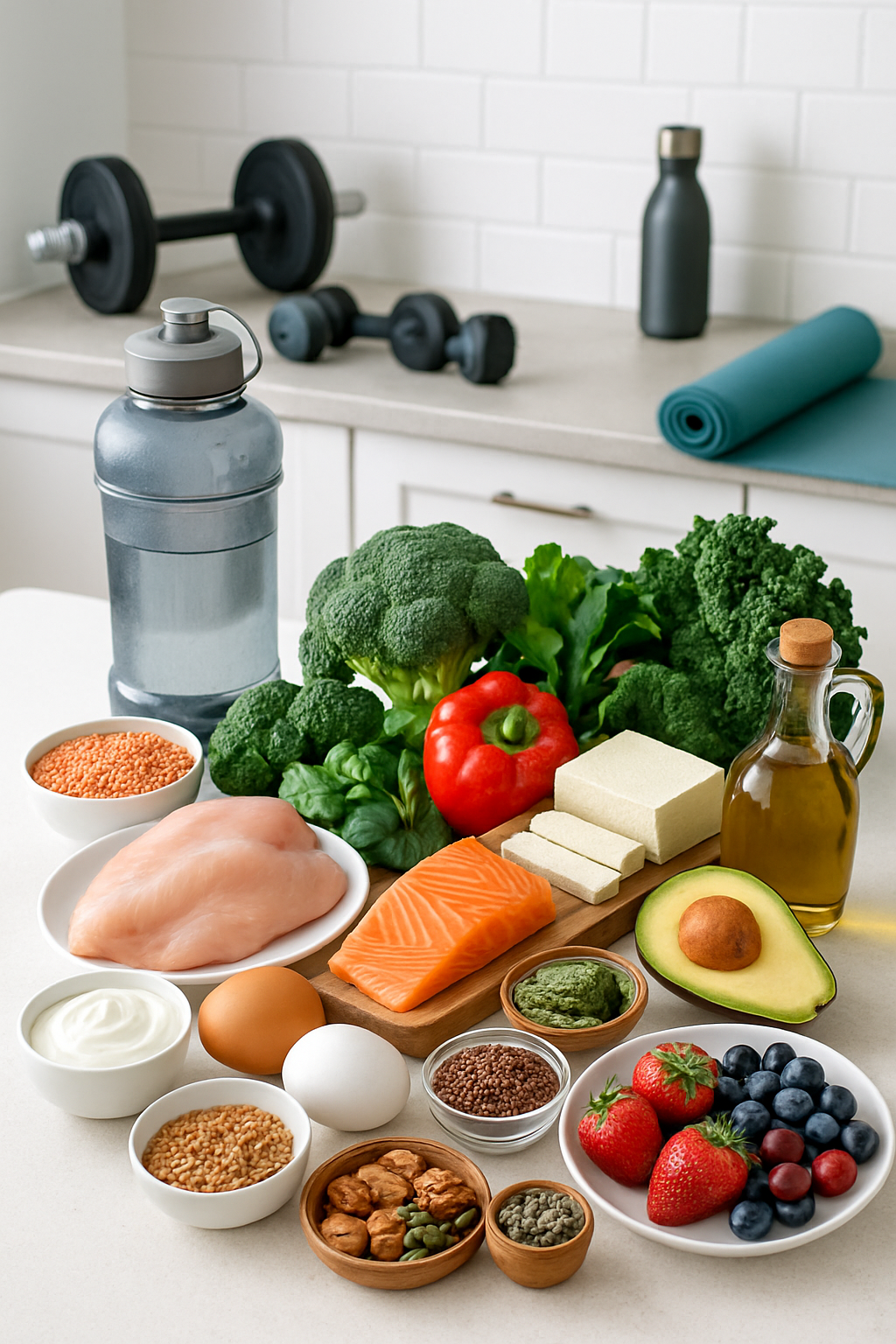
Protein is your most valuable asset. It boosts satiety (keeping you full), has a higher thermic effect (burns more calories during digestion), and is crucial for preserving muscle mass during weight loss. Actionable Tip: Include a source of lean protein like chicken breast, fish, eggs, Greek yogurt, lentils, or tofu in every single meal.
2. Fill Up on Fiber and Volume
Non-starchy vegetables are a game-changer. Foods high in fiber and water, like broccoli, spinach, cauliflower, and bell peppers, are low in calories but high in volume. This allows you to eat large, satisfying portions that fill you up without adding significant calories. Actionable Tip: Make it a rule to fill at least half of your plate with colorful vegetables at lunch and dinner.
3. Be Smart About Carbs
Carbohydrates are not the enemy—they are essential fuel. The key is choosing the right type. Swap refined carbs (white bread, sugar, pastries) for complex, high-fiber sources like oats, quinoa, sweet potatoes, and brown rice. These provide sustained energy without the blood sugar spikes that lead to cravings. Actionable Tip: Limit your portion to about one cupped handful per meal.
4. Don't Fear Healthy Fats
Healthy fats from sources like avocado, nuts, seeds, and olive oil are vital for hormone function and absorbing vitamins. They also play a major role in satiety, helping you feel full and satisfied long after a meal. Actionable Tip: Add a small portion (e.g., a quarter of an avocado or a thumb-sized amount of nuts) to your meals to enhance fullness.
5. Hydrate to Accelerate
Proper hydration is a simple but powerful metabolic booster. Water is essential for every bodily process, including burning fat. Drinking a glass of water before a meal can also act as a natural appetite suppressant. Actionable Tip: Aim for 8-10 glasses (2-3 liters) of water daily. Keep a reusable bottle with you at all times.
6. Cut Liquid Calories & Processed Foods
The fastest way to reduce your calorie intake is to eliminate 'empty' calories. Sugary sodas, juices, specialty coffees, and alcohol provide hundreds of calories with no nutritional benefit or feeling of fullness. Similarly, highly processed snacks are engineered to make you overeat. Actionable Tip: For the next two weeks, commit to drinking only water, black coffee, or unsweetened tea.
Exercise: Supercharge Metabolism and Shape Your Body
While nutrition drives weight loss, exercise accelerates it and determines your final physique. A smart combination is key for fast, visible results.
1. Strength Training: Your Fat-Burning Engine
This is non-negotiable for effective fat loss. Building or maintaining lean muscle increases your resting metabolic rate, meaning you burn more calories 24/7, even while you sleep. Actionable Tip: Aim for 2-3 full-body strength sessions per week using weights or bodyweight exercises like squats, push-ups, and lunges.
2. Cardiovascular Exercise: The Calorie Burner
Cardio is excellent for burning calories and improving heart health. For maximum efficiency, try High-Intensity Interval Training (HIIT)—short, intense bursts of effort (like sprinting) followed by brief rest. It burns a high number of calories in minimal time. Don't neglect steady-state cardio like brisk walking or cycling, which is less stressful and still highly effective.
3. NEAT (Non-Exercise Activity Thermogenesis): The Secret Weapon
NEAT is all the movement you do that isn't formal exercise, and it's a vastly underrated component of your daily calorie burn. Actionable Tip: Intentionally add more movement to your day. Take the stairs, park further from the store entrance, pace while on phone calls, and stand up to stretch every hour. It all adds up significantly.
The Game-Changers: Optimize Sleep and Stress
You can have a perfect plan, but poor sleep and high stress will sabotage your efforts by disrupting your hormones.
- Sleep: Lack of sleep increases ghrelin (the hunger hormone) and decreases leptin (the fullness hormone), leading to intense cravings for sugary, high-calorie foods. Prioritize 7-9 hours of quality sleep per night.
- Stress: Chronic stress raises cortisol, a hormone that can increase appetite and signal your body to store fat, especially around the abdomen. Find healthy coping mechanisms like walking, meditation, or journaling.
Frequently Asked Questions (FAQ) About Fast Weight Loss
How much weight is it safe to lose quickly?
A safe, sustainable, and realistic goal is 1-2 pounds (0.5-1 kg) per week. Losing weight faster than this often involves losing water weight and muscle mass, not just fat, and is typically not sustainable.
Can I lose weight fast without exercise?
Yes, weight loss is primarily driven by a caloric deficit from your diet. However, without exercise, you are more likely to lose muscle mass, which slows your metabolism. Exercise is crucial for ensuring the weight you lose is fat and for building a toned physique.
What are the best snacks for quick weight loss?
Focus on snacks that combine protein and fiber. Excellent choices include a handful of almonds, an apple with peanut butter, Greek yogurt with berries, or a hard-boiled egg. These will keep you full and prevent overeating at your next meal.
Conclusion: Your Action Plan for Lasting Change
Achieving fast weight loss safely is not about deprivation; it's about being efficient and consistent. It’s about nourishing your body with high-quality foods, moving with purpose, and respecting your need for rest. Shift your focus from 'fast' to 'effective'. Start today with these three simple steps:
- Add Lean Protein: Make sure your very next meal contains a solid source of protein.
- Swap Your Drink: Exchange any sugary beverage you would normally have today with a glass of water.
- Take a Walk: Schedule a 20-minute brisk walk into your day.
Remember, the best way to lose weight fast is to build habits that last. You're not just chasing a number on the scale; you're building a stronger, healthier, and more vibrant you.