


Why a Smart Iftar Matters: The Science of Fasting and Feasting
During the daylight hours of Ramadan, your body performs an amazing metabolic shift. It moves from using readily available glucose for energy to burning stored fat. While this process has health benefits, it also primes your body for rapid replenishment once the sun sets. This is why cravings for sugary and high-fat foods are so intense at Iftar—your body is sending out an urgent signal to refuel.
Answering that signal intelligently is the key to a healthy Ramadan. A meal high in sugar and unhealthy fats can cause a rapid blood sugar spike and subsequent crash, leaving you feeling tired during evening prayers (Taraweeh) and sluggish the next day. A smart, balanced Iftar, however, provides sustained energy, supports muscle maintenance, and prevents the digestive issues and weight gain that can distract from the spiritual focus of the month.
The 4 Core Principles of a Healthy Iftar Meal
Creating a nourishing Iftar doesn't mean abandoning your favorite traditional dishes. It’s about applying four simple, science-backed principles for balance, mindfulness, and optimal health.
Principle 1: Rehydrate and Replenish Gently
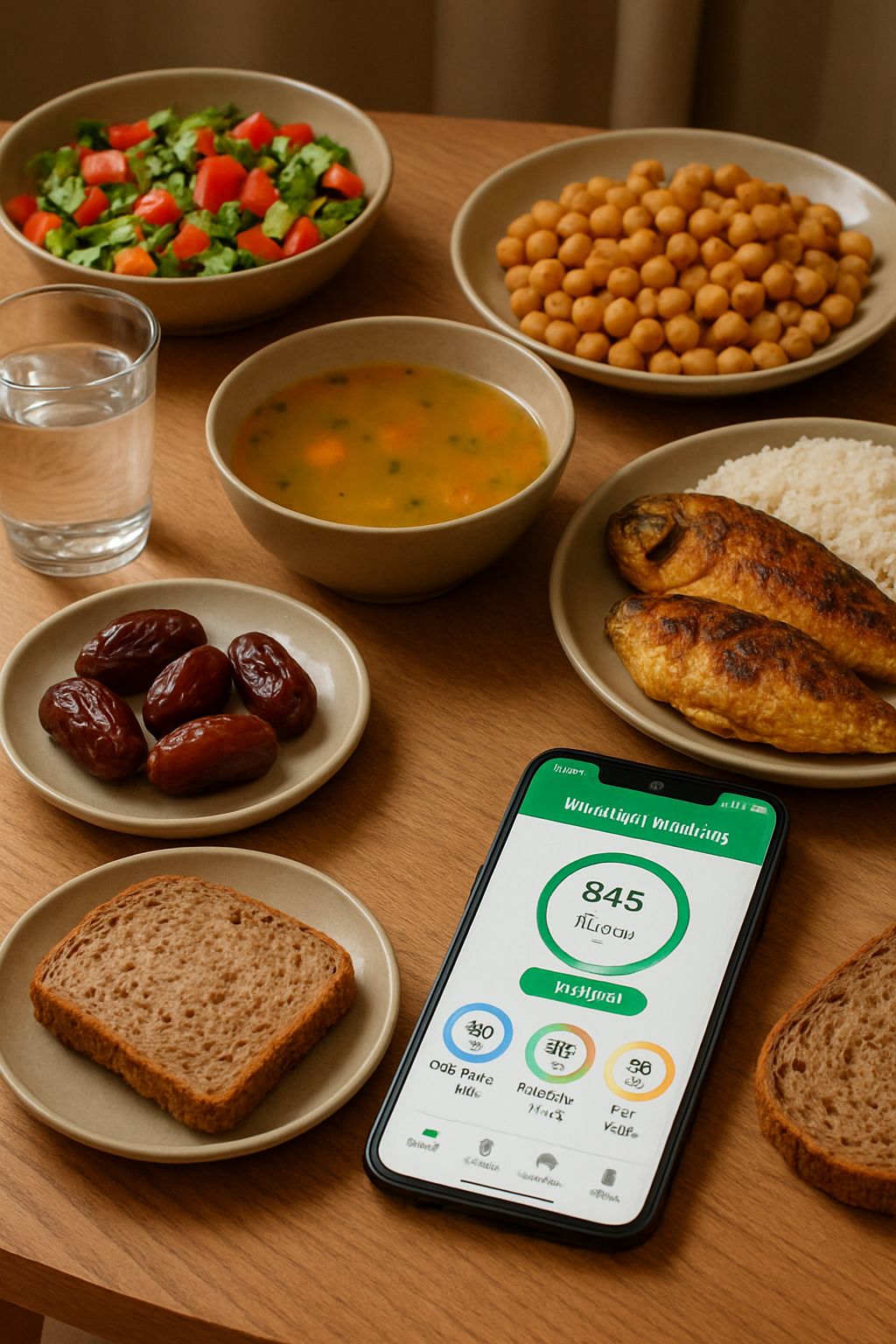
Your first priority after a long day of fasting is hydration. Before reaching for food, drink one or two glasses of water. The tradition of breaking the fast with dates is also scientifically sound; they provide a quick source of natural sugar for an immediate energy boost, along with vital minerals like potassium. Starting with a warm, broth-based soup, like lentil or vegetable soup, can further aid hydration and gently prepare your digestive system for the main course.
Principle 2: Build a Perfectly Balanced Plate
Visualize your plate and divide it to ensure a healthy mix of macronutrients. This simple method prevents over-consumption of any single food group and guarantees a wider range of nutrients.
- Half Your Plate (50%): Vegetables. Fill it with a colorful salad, steamed greens, or roasted vegetables. They are low in calories but high in fiber, vitamins, and minerals.
- A Quarter of Your Plate (25%): Lean Protein. This is crucial for satiety and muscle repair. Choose options like grilled chicken or fish, lean beef kebabs, beans, or lentils.
- A Quarter of Your Plate (25%): Complex Carbohydrates. These provide sustained energy. Opt for whole grains like brown rice, quinoa, freekeh, or a small baked potato instead of white bread or refined pastries.
Principle 3: Prioritize Protein for Satiety and Strength
Protein is your most valuable asset during Ramadan. It is digested more slowly than carbohydrates, promoting a feeling of fullness that helps prevent overeating. Furthermore, consuming adequate protein at Iftar is essential for preserving lean muscle mass, which is key to maintaining a healthy metabolism. Make a high-quality protein source the cornerstone of your main meal.
Principle 4: Practice Mindful Eating and Portion Control
The fast is over, but that's not a cue to eat as quickly as possible. Slow down. Chew each bite thoroughly and savor the flavors. It takes approximately 20 minutes for your brain to register that your stomach is full. By eating slowly, you give your body time to send these fullness signals, making it much easier to practice portion control naturally and avoid the discomfort of being overly full.
The Modern Solution: Effortless Tracking with SnapEat AI
Applying these principles is great in theory, but what about in practice? Estimating the nutritional content of a complex dish like biryani or a traditional stew is nearly impossible. This is where manual calorie counting fails—it’s tedious, inaccurate, and quickly abandoned.
SnapEat AI transforms this challenge into a simple, effortless action. It's an AI nutrition tracker designed for the real world. Instead of typing ingredients, you just take a photo of your Iftar plate. The advanced AI instantly recognizes the foods and their portion sizes, providing you with a detailed nutritional breakdown, including:
- Total Calorie Count
- Protein, Carbohydrate, and Fat content
- Personalized feedback based on your health goals
This powerful tool removes the guesswork, provides immediate feedback, and empowers you to understand your eating habits without the hassle of manual logging.
Your 4-Step Guide to a Smarter Iftar with SnapEat AI
Ready to make your Iftar smarter tonight? It only takes a few seconds.
- Snap Your Starter: Take a photo of your dates and water or bowl of soup. Instantly see your starting calories and hydration.
- Capture Your Main Course: Snap your main plate before you eat. The AI will analyze the macronutrient balance, showing you if your meal aligns with the balanced plate principle.
- Analyze and Learn: Review the data. Are you getting enough protein? Was the meal higher in fat than you thought? The app's clear visuals reveal patterns you might not have noticed.
- Adjust for Tomorrow: Armed with this knowledge, you can make informed choices. Maybe you'll add an extra scoop of vegetables tomorrow, or choose a lighter Suhoor meal to balance your day.
Frequently Asked Questions (FAQ)
How can I stop overeating at Iftar?
Start with water and dates, eat slowly, and focus on protein and fiber (vegetables), which will make you feel full and satisfied. Wait 15-20 minutes before considering a second helping.
What are some healthy Suhoor ideas to stay full?
Focus on slow-digesting foods: oatmeal with nuts and seeds, Greek yogurt with berries, scrambled eggs with whole-wheat toast, or a protein smoothie.
Is it okay to have dessert after Iftar?
Yes, in moderation. Instead of having dessert immediately after your meal, wait an hour or two. Opt for healthier choices like a fruit salad, a small piece of dark chocolate, or a date-based sweet.
Embrace a Nourished and Mindful Ramadan
Ramadan is a time for consciousness—of our faith, our actions, and our bodies. By embracing a smart approach to Iftar, you are not depriving yourself; you are honoring your body and enhancing your ability to fully engage in the spiritual practices of the month.
Tools like SnapEat AI act as your personal, non-judgmental nutrition guide, making healthy choices simple and sustainable. It empowers you with knowledge and helps you build habits that last long after Ramadan ends.
This year, nourish your body as you nourish your soul. Download SnapEat AI, start tracking your meals with a single snap, and experience the energy and confidence of a truly blessed and healthy Ramadan.