


Round 1: The Traditional Plate – A Culinary Head-to-Head
First, our AI scans the foundational foods defining each state’s culinary identity. This is where history, agriculture, and nutrition meet on the dinner plate.
Iowa's Corner: The Agricultural Powerhouse
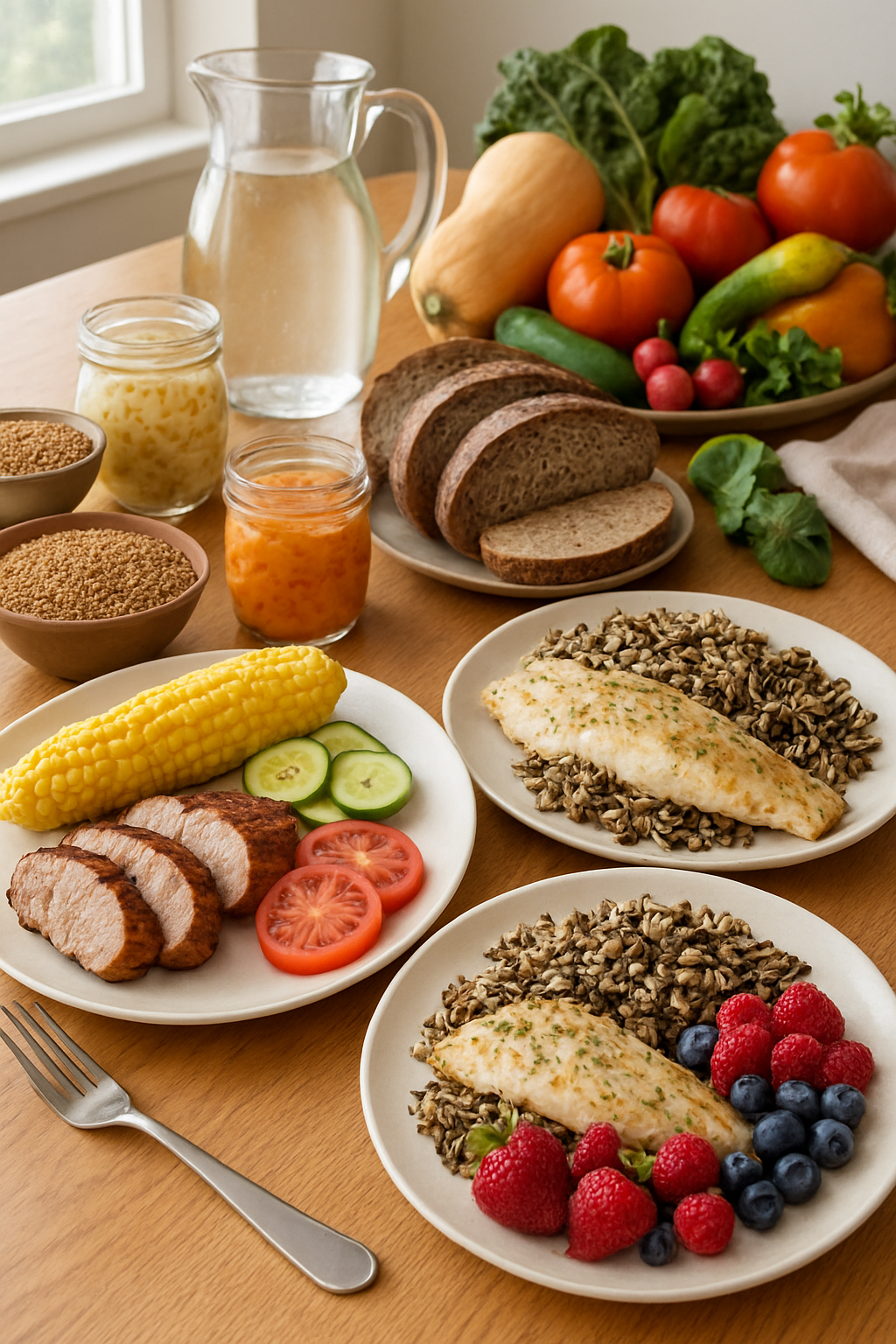
As the heart of the Corn Belt, Iowa’s traditional diet is built on its agricultural bounty. The star players are undeniably corn and pork. The iconic dish? The breaded pork tenderloin sandwich, a Midwest legend.
- Nutritional Analysis: From a nutritional standpoint, pork itself can be a great source of lean protein. However, the traditional preparation—breaded and deep-fried—adds significant calories, unhealthy fats, and refined carbohydrates. Corn, while a whole grain, is often consumed in highly processed forms, including high-fructose corn syrup, which has been linked to negative health outcomes.
- Pros: Excellent access to high-quality lean pork.
- Cons: A cultural tendency toward fried preparations and heavy use of processed corn derivatives.
Minnesota's Corner: Land of Lakes and Foragers
Minnesota’s cuisine is shaped by its northern climate, abundant lakes, and Scandinavian heritage. The traditional plate features foods foraged and fished from the land and water: wild rice, walleye, and an abundance of native berries. The "hotdish," a hearty casserole, is a staple for surviving cold winters.
- Nutritional Analysis: Wild rice is a nutritional powerhouse packed with fiber, protein, and antioxidants. Walleye and other freshwater fish are fantastic sources of lean protein and heart-healthy omega-3 fatty acids. The main drawback can be the traditional hotdish, which often relies on canned, high-sodium creamed soups and processed cheese.
- Pros: Rich in nutrient-dense whole foods like wild rice, fish, and berries.
- Cons: Traditional casserole recipes (hotdish) can be heavy on sodium and saturated fat.
Round 1 Verdict: While both states have comforting classics, Minnesota takes an early lead. The nutritional foundation of its native foods offers a more powerful combination of fiber, lean protein, and healthy fats compared to Iowa’s traditional reliance on fried pork and processed corn.
Round 2: The Modern Meal – Everyday Eating Habits
Next, we analyze what people are actually eating today. How have modern trends shaped healthy eating in the Midwest?
Iowa's Daily Diet: Farm-to-Table Growth
Iowa has seen a wonderful surge in the farm-to-table movement and a growing number of farmers' markets and CSA (Community Supported Agriculture) programs. Answering the question, "Is Iowa food healthy?" depends heavily on individual choices. While access to local produce is growing, convenience often wins in rural areas, where diets can still be heavy on processed foods.
Minnesota's Daily Diet: A Thriving Health Culture
The Minnesota diet and lifestyle are strongly influenced by a robust health-conscious culture. The Twin Cities boast one of the nation's highest concentrations of food co-ops, promoting organic and local foods. Healthy Scandinavian influences, like dense rye bread and fermented foods (kefir, skyr), are also prevalent, offering probiotic and fiber benefits.
Round 2 Verdict: This round is closer, but Minnesota pulls ahead again. The widespread cultural embrace and established infrastructure of food co-ops and health-conscious options give its residents a slight edge in building a healthier daily plate.
Round 3: Beyond the Plate – Lifestyle & Physical Activity
Health isn’t just about food. This final round evaluates the physical activity levels and lifestyle factors that contribute to overall wellness.
Iowa's Activity Profile: Cycling and Labor
Don't underestimate the activity in the Hawkeye State. Farming is physically demanding work, and Iowa has a surprisingly vibrant cycling culture, famously highlighted by RAGBRAI, the annual bike ride across the state. Its rolling hills and trail networks provide ample opportunity for exercise.
Minnesota's Activity Profile: An Outdoor DNA
Minnesotans are renowned for embracing the outdoors, regardless of the season. From kayaking and hiking in the summer to cross-country skiing and ice skating in the winter, an active lifestyle is woven into the state’s DNA. For this reason, Minnesota consistently ranks among the fittest states in the American College of Sports Medicine (ACSM) Fitness Index, boasting high rates of park access and recreational activity.
Round 3 Verdict: Minnesota wins this round decisively. Its deeply ingrained, year-round culture of outdoor recreation gives it a clear advantage in overall physical activity, a critical component of a healthy lifestyle.
The Final Verdict: SnapEat AI Crowns the Champion
After three rounds of analysis, the results are in. Based on its more nutrient-dense traditional foods, stronger modern health-food infrastructure, and a more pervasive culture of physical activity, SnapEat AI declares Minnesota the winner of the Health Challenge!
But this was never about shaming one state. It’s about celebrating strengths and identifying opportunities. The real victory lies in empowering individuals to make healthier choices.
How Everyone Wins: Actionable Health Upgrades for the Midwest
Whether you’re a Hawkeye or a Gopher, here are simple nutrition tips to boost your health score.
- For Iowans: Grill the iconic pork tenderloin instead of frying, explore diverse vegetables like kale and squash at local farmers' markets, and choose whole-kernel corn over processed corn snacks.
- For Minnesotans: "Hack the hotdish" by using low-sodium broth instead of canned soup and loading it with extra vegetables. Let the delicious flavor of walleye shine by baking or broiling it with lemon and herbs.
- Universal Advice: Prioritize hydration, practice portion control, and build every meal around whole, unprocessed foods.
Frequently Asked Questions About Midwest Health
Q1: Which state is healthier, Iowa or Minnesota?
A: Our analysis suggests Minnesota holds an edge due to its nutrient-dense native foods (wild rice, fish), a stronger health-food culture with more co-ops, and a more ingrained lifestyle of year-round physical activity. However, both states have healthy attributes and dedicated communities focused on wellness.
Q2: What is a "hotdish" and is it unhealthy?
A: A hotdish is a classic Minnesota casserole, typically made with a protein (like ground beef), a vegetable, and a starch, all bound by a canned cream soup. In its traditional form, it can be high in sodium and saturated fat. However, it's easily made healthier by using lean meats, lots of fresh vegetables, and a homemade sauce or low-sodium broth.
Q3: How can I make traditional Midwest food healthier?
A: Focus on cooking methods. Grilling, baking, or broiling proteins like pork and walleye is much healthier than frying. Increase the vegetable-to-starch ratio in meals like casseroles and stews. Finally, look for whole-grain versions of staples, such as whole-wheat buns or using whole corn in recipes.