


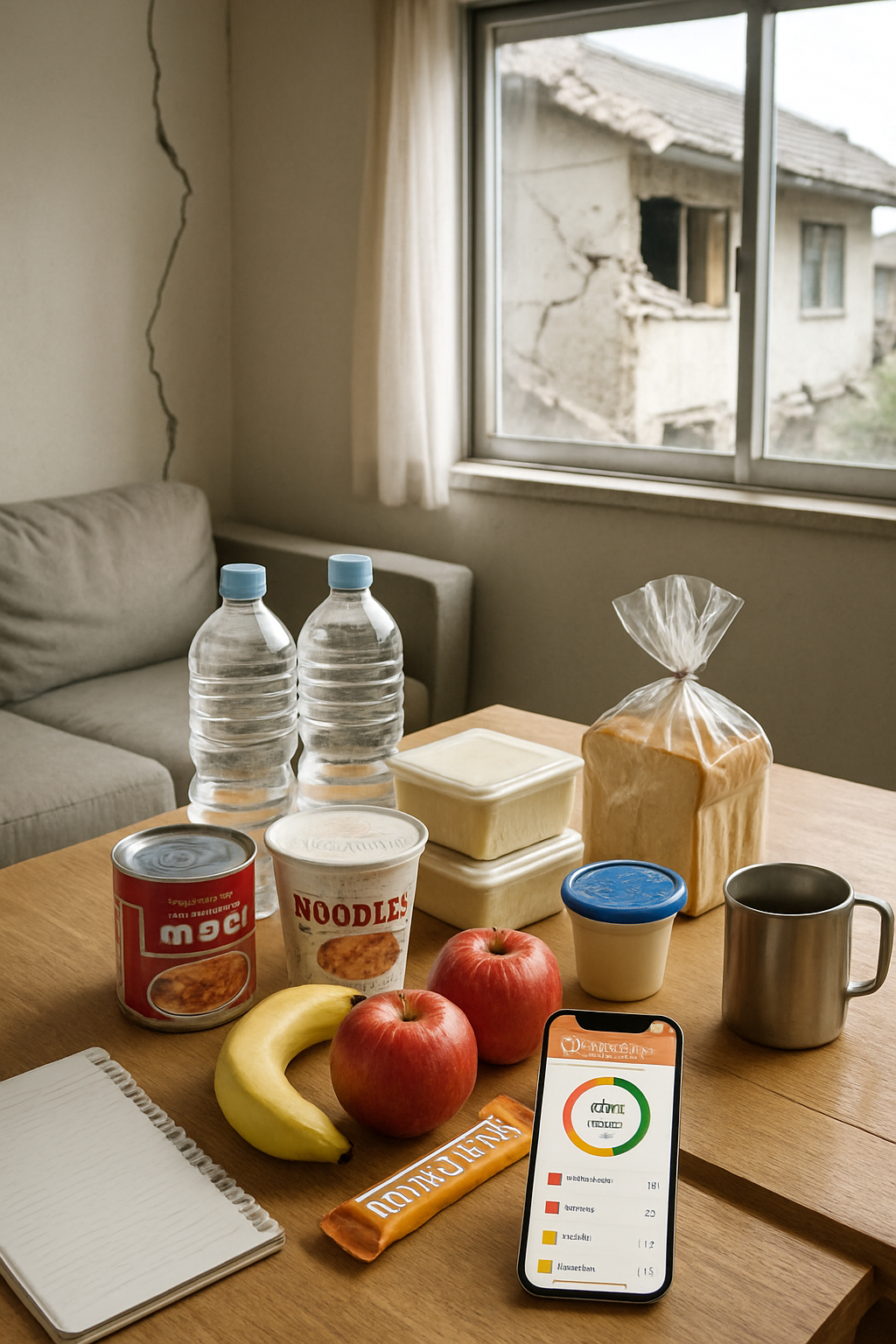
Why Nutrition is Your Anchor in a Crisis
When our environment is unstable, our bodies and minds are under immense stress. Proper disaster nutrition isn’t about perfection; it’s about providing the fundamental support system your body needs to cope and recover.
Fueling Physical Resilience
Your body needs energy to handle both physical and emotional stress. Adequate nutrition is key. Protein helps preserve muscle mass needed for strength, carbohydrates provide essential fuel for your brain and body, and crucial vitamins and minerals support a strong immune system—something that is vital when living in temporary shelters or crowded conditions.
Supporting Mental Fortitude
The gut-brain connection is powerful and scientifically proven. Unstable blood sugar from irregular meals or high-sugar processed foods can worsen anxiety, irritability, and mood swings. Consistent, balanced healthy eating can help stabilize your mood, improve focus, and enhance your ability to cope with the immense psychological pressure of a crisis.
Navigating Post-Disaster Food Challenges
After a disaster like the Japan earthquake, access to fresh, whole foods is often difficult or impossible. We must rely on non-perishable items, convenience store meals (konbini food), or emergency rations. This reality makes it hard to know if you’re getting the right nutrients, making a simple tool to track nutrition invaluable.
SnapEat AI: Simple Nutrition Tracking for Stressful Times
In a crisis, our cognitive load is already maxed out. We are tired, stressed, and making countless decisions. The last thing we need is a complicated app. This is where simplicity becomes a powerful feature.
What is SnapEat AI?
SnapEat AI is a nutrition tracker designed for ease of use. Instead of manually searching for and entering every food item, you simply snap a photo of your meal. The AI analyzes the image and gives you a breakdown of its nutritional content, including calories, protein, carbs, and fats.
The 'Low Cognitive Load' Advantage in a Crisis
The beauty of SnapEat AI lies in its simplicity. Snapping a photo is a quick, low-effort action that provides powerful information without adding to your mental burden. It allows you to make informed dietary choices and maintain a sense of control over your health when other factors are chaotic.
How to Use SnapEat AI for Disaster Nutrition
Here’s how you can use the app to apply the principles of disaster nutrition in a real-world scenario after the earthquake.
Track Nutrition from Convenience Store & Emergency Foods
You might be eating a bento box, an onigiri, or a bowl of instant noodles. By snapping a picture, SnapEat AI helps you understand the nutritional value of that meal. You might see it’s low in protein. This awareness empowers you to supplement it if possible, perhaps by adding a hard-boiled egg (ゆで卵), a small pack of edamame, or some salad chicken (サラダチキン) on your next konbini run.
Balance Your Macronutrients for Energy and Strength
Energy is paramount. Use the app to track nutrition and aim for balance. Are you getting enough carbohydrates for immediate energy? Crucially, are you consuming enough protein to prevent muscle loss and support repair? Seeing the numbers can prompt you to prioritize foods like canned fish, beans, or tofu when you find them.
Monitor Critical Hydration Levels
In the aftermath of an earthquake, it's easy to forget to drink enough. Dehydration quickly causes fatigue, headaches, and confusion. You can use SnapEat AI to easily log your water and fluid intake, serving as a simple but effective reminder to stay hydrated for optimal physical and mental function.
Identify and Fill Nutritional Gaps
Over several days, a pattern might emerge. Maybe your fiber intake is consistently low, or you’re missing key vitamins. The app’s analysis can highlight these gaps. This knowledge empowers you to be strategic. If you get a chance to shop, you’ll know to look for a piece of fruit, a vegetable juice, or fortified crackers to fill that nutritional gap.
Frequently Asked Questions (FAQ) for Disaster Nutrition
Here are answers to common questions about healthy eating during an emergency.
How can I eat healthy with only convenience store food?
Focus on combining items. Instead of just instant noodles, add a hard-boiled egg for protein. Choose onigiri with fillings like salmon or tuna. Grab a side of edamame or a small yogurt. Look for vegetable juices or pre-cut fruit to boost vitamin intake. The goal is to build a more balanced meal from available components.
What are the most important nutrients in a crisis?
While all nutrients are important, prioritize these three: Protein to maintain strength and support your immune system, Carbohydrates for sustained energy, and Fluids (primarily water) to stay hydrated and maintain cognitive function.
Is it okay not to eat perfectly during an emergency?
Absolutely. The goal is 'good enough,' not perfection. Use tools like a nutrition tracker for awareness, not judgment. In a crisis, a perfect diet is impossible. Be kind to yourself and focus on making the best choices available to you each day.
Conclusion: Stay Nourished, Build Resilience
In the face of adversity, focusing on what we can control is a powerful source of strength. While you cannot control the circumstances around you, you can take small, meaningful steps to care for your body and mind. Healthy eating during the aftermath of the Japan earthquake is a foundational pillar of your resilience.
Tools like SnapEat AI do not solve the challenges you face, but they provide vital support. By making it easier to track nutrition, they empower you with information, help you build structure, and enable you to care for yourself and your loved ones. To everyone affected, please stay safe. Stay nourished, and stay resilient. We are with you.