


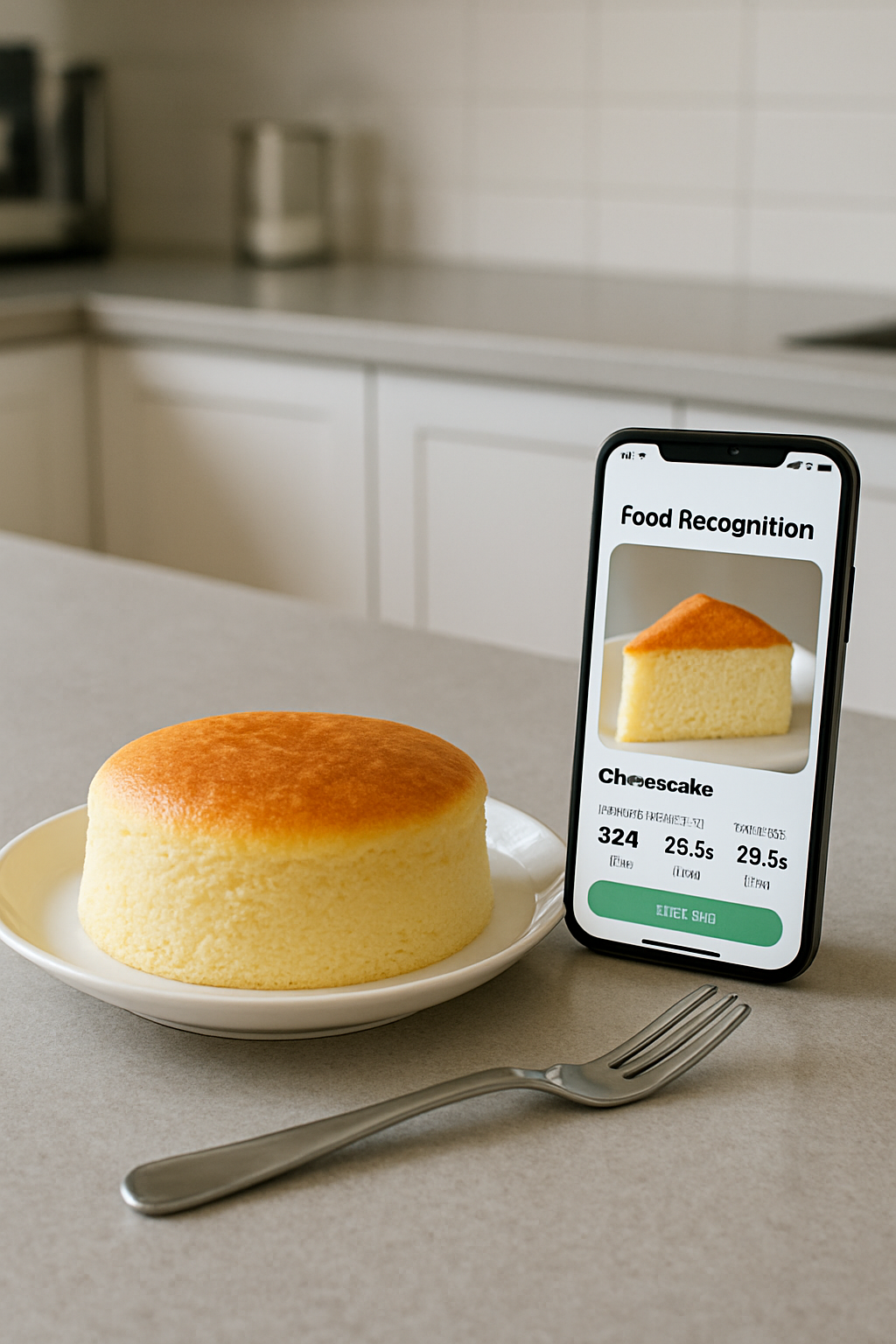
The Unseen Numbers: A Nutritional Breakdown of Japanese Cheesecake
Beneath that cloud-like exterior lies a nutritional reality. But how many calories are in Japanese cheesecake? While recipes vary, a typical slice (around 100-120g) of this jiggly dessert contains:
- Calories: 250 - 400 kcal
- Fat: 15 - 25g
- Carbohydrates: 20 - 35g (of which 15-25g can be sugar)
- Protein: 6 - 10g
The main ingredients—cream cheese, eggs, sugar, and butter—are calorie-dense. While a single slice won't derail your diet, the Japanese cheesecake calories can add up quickly, especially since its light texture makes it easy to eat more than you intended. Consuming these unaccounted-for calories can push you out of a calorie deficit, slowing weight loss. Furthermore, the high sugar content can lead to an energy spike followed by a crash, triggering more cravings.
Is Japanese Cheesecake Healthier Than Regular Cheesecake?
This is a common question. Japanese cheesecake is often called a "soufflé cheesecake" because it uses whipped egg whites for volume, making it lighter and airier than a dense, rich New York-style cheesecake. Generally, it has less cream cheese and sugar per slice, making it a lower-calorie option. However, it's still a dessert and should be treated as a mindful indulgence, not a health food.
From Craze to Control: Why Awareness Beats Restriction
Have you ever experienced "calorie amnesia"? It’s that common phenomenon where we conveniently forget a snack or underestimate a dessert portion. The "just one bite" mentality can easily become half a slice, and without accountability, those calories vanish from our mental record.
A sustainable healthy lifestyle isn't about complete restriction—it's about smart management. Banning foods you love often backfires, leading to intense cravings. The key to freedom is awareness. When you know the nutritional cost of a treat, you can consciously decide if it fits into your daily calorie budget. This transforms a guilty pleasure into a planned, satisfying indulgence.
SnapEat: Your Smart AI Calorie Counter for Every Bite
Manually searching for nutritional information for a bakery item is a guessing game. This is where an AI calorie counter provides a seamless solution. SnapEat is designed for modern life, making food tracking effortless.
The process is brilliantly simple:
- Snap a photo of your food—in this case, your slice of Japanese cheesecake.
- Let the AI analyze it. The powerful algorithm recognizes the food and estimates the portion size with high accuracy.
- Get instant nutritional data. Within seconds, you see the calories, protein, carbs, and fat, ready to be logged in your food diary.
Using a tool to track food with photo recognition eliminates the guesswork and friction of manual logging. It’s fast, convenient, and provides the objective data you need to make an informed choice right then and there, before the first bite.
A Practical Guide: How to Eat Japanese Cheesecake Without Guilt
Ready to enjoy that cheesecake? Here’s a 5-step guide to do it smartly with the help of SnapEat.
Step 1: Plan Your Indulgence
Instead of a spontaneous decision, plan for it. Decide that you’ll have a slice on Saturday afternoon. This anticipation makes the treat more special and keeps you in control of your weekly goals.
Step 2: Snap Before You Savor
Before you dig in, open SnapEat and take a quick picture. Seeing the number—say, 350 calories—isn't about judgment. It's about information. You now know the "cost" and can proceed with a clear head.
Step 3: Adjust and Balance Your Day
That 350-calorie treat needs to fit into your day. You can easily balance it by making small adjustments. Perhaps you’ll have a lighter lunch, like a grilled chicken salad, or you’ll skip your usual evening snack. It's a simple, manageable trade-off.
Step 4: Practice Smart Portion Control
The easiest way to reduce the calorie impact is to reduce the portion. Share a slice with a friend or family member. You still get to satisfy your craving, but for half the calories. It's a win-win.
Step 5: Eat Mindfully and Enjoy
Don't rush it. Put your phone away, sit down, and savor every single bite. Notice the fluffy texture, the subtle sweetness, and the creamy flavor. Eating mindfully increases satisfaction, making a smaller portion feel just as fulfilling.
Frequently Asked Questions (FAQ)
Q1: How accurate are AI calorie counters from a photo?
Modern AI calorie counters like SnapEat use advanced machine learning models trained on vast food datasets. While not 100% perfect, they are significantly more accurate and faster than manual estimation, providing a reliable baseline for tracking your intake.
Q2: Can I eat dessert every day and still lose weight?
Yes, it's possible if it fits within your daily calorie deficit. The key is planning and portion control. A small, planned dessert can prevent feelings of deprivation and help you stick to your goals long-term.
Q3: What's the best way to manage dessert cravings on a diet?
Instead of complete restriction, practice mindful indulgence. Plan for your treats, use a tool like an AI calorie counter for accountability, and choose lower-calorie but satisfying options when possible. Don't let cravings build up until they are uncontrollable.
Conclusion: Embrace Smart Indulgence, Not Restriction
The Japanese cheesecake craze doesn't have to be at odds with your fitness goals. By trading guilt and guesswork for awareness and planning, you can make room for the foods you love in a balanced, healthy lifestyle.
Tools like SnapEat are not about policing your diet; they are about empowerment. They provide the knowledge you need to be the expert of your own nutrition. So go ahead, join the craze. Plan for it, track it, and savor it—one mindful, jiggly bite at a time. Ready to take control? Try tracking your next meal with a simple photo.