


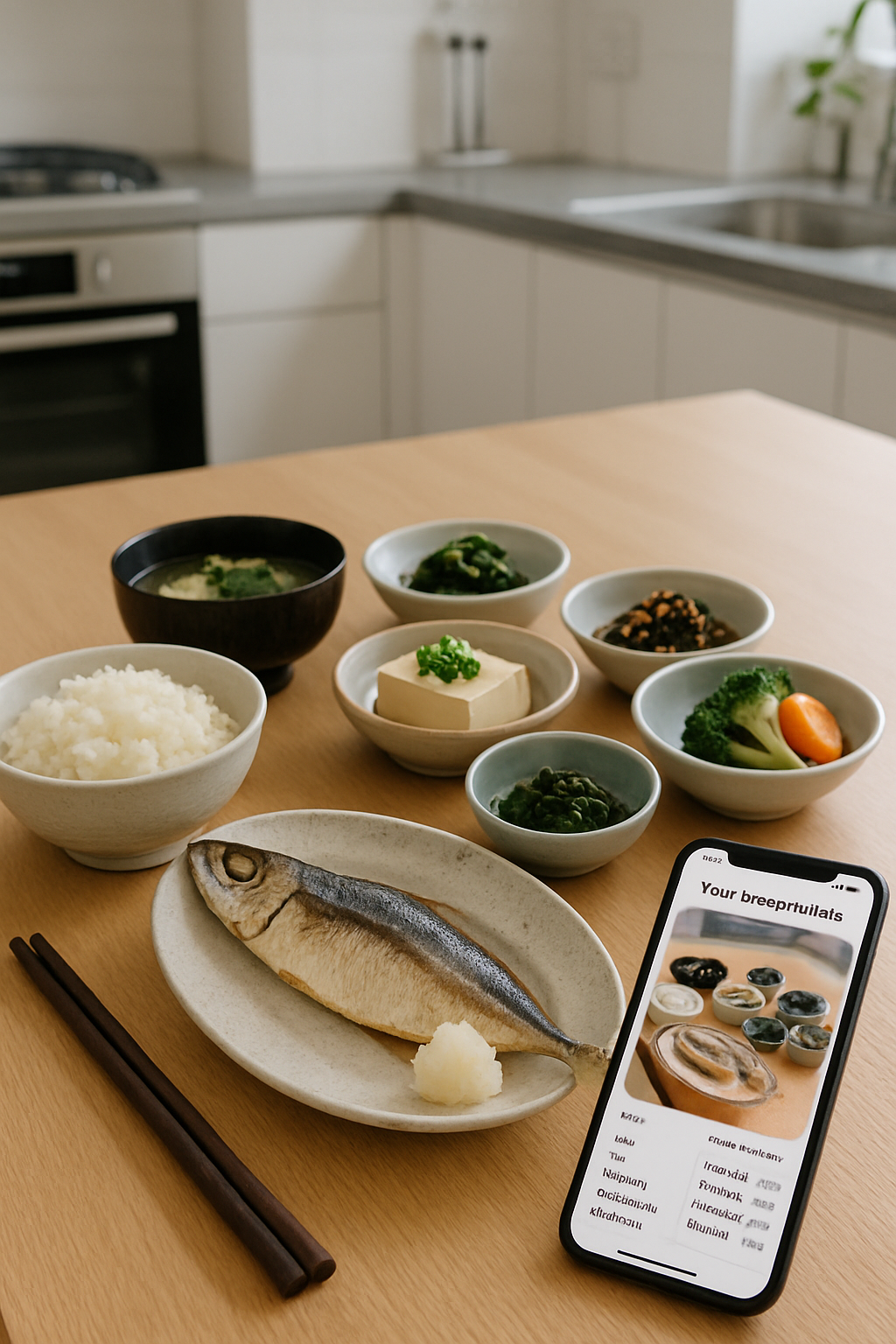
Core Principles of the Traditional Japanese Diet: Ancient Wisdom for Modern Health
The traditional Japanese diet is less of a restrictive meal plan and more of a sustainable lifestyle philosophy. Its power lies in a few simple, yet profound, principles that numerous scientific studies have linked to longevity and reduced risk of chronic disease.
1. Focus on Whole, Minimally-Processed Foods
The diet is rich in fresh, seasonal ingredients. Think vibrant vegetables, lean protein from fish and seafood, high-quality rice, and soy products like tofu, edamame, and miso. This approach naturally minimizes intake of processed sugars and unhealthy fats.
2. Embrace Variety and Balance (Ichiju Sansai)
A typical Japanese meal, known as ichiju sansai (one soup, three sides), features a variety of small dishes rather than one large plate. This encourages a wider range of nutrients and makes eating a more mindful and engaging experience.
3. Practice Mindful Portion Control (Hara Hachi Bu)
This ancient teaching, popular in Okinawa, means "eat until you are 80 percent full." It’s a cornerstone of mindful eating and natural portion control, preventing overconsumption and promoting better digestion. It is a key reason the Japanese diet for weight loss is so effective.
The Modern Hurdle: Why Traditional Diet Tracking Fails
While these principles are inspiring, applying them in a fast-paced world is challenging. How do you accurately estimate "80% full"? Is your bento box truly balanced? Manually logging every ingredient in a typical food diary app is tedious, inaccurate, and a major reason why people give up on their health goals.
SnapEat AI: Your Personal Japanese Diet Nutritionist
Imagine having a nutritionist who could see everything you eat and provide instant, expert feedback. That’s the power of SnapEat AI. This intelligent meal tracking app uses cutting-edge AI to eliminate guesswork and tedious data entry, making it the perfect tool to master the Japanese diet.
Here’s how it works: You simply snap a photo of your meal.
Using advanced image recognition, SnapEat AI instantly analyzes your plate. It’s arguably the best food tracker for Japanese food because it goes beyond simple calorie counting to provide a detailed breakdown of:
- Macronutrients: See your protein, carbohydrate, and fat intake to ensure every meal is balanced.
- Portion Size Analysis: The app's AI visually estimates portions, helping you learn what a healthy serving looks like and master the art of Hara Hachi Bu.
- Nutrient Quality Insights: Get feedback on the nutritional value of your food, encouraging you to choose more nutrient-dense options like those found in the Okinawa diet.
How to Master the Japanese Diet with SnapEat AI: A 4-Step Guide
Ready to start your health transformation? Here is a practical, step-by-step guide to using SnapEat AI to achieve your goals with the Japanese diet.
Step 1: Set Your Health Goals
First, tell the app what you want to achieve. Whether your goal is sustainable weight loss, building muscle, or simply having more energy, SnapEat AI will tailor its feedback to guide you effectively.
Step 2: Snap Every Meal
From your morning miso soup to your evening sushi platter, just take a picture. The app logs it for you, creating a seamless and consistent visual food diary that promotes mindful eating.
Step 3: Review Your AI-Powered Insights
In seconds, you’ll see a complete analysis. Is your lunch low on protein? Did that ramen have more sodium than you realized? This instant feedback is a powerful tool for learning and improvement.
Step 4: Adjust and Build Healthy Habits
Use the data to make small, positive changes. If lunch was light on vegetables, you’ll be more conscious of adding a side salad to your dinner. This cycle of snapping, reviewing, and adjusting is what builds sustainable, healthy habits over time.
Frequently Asked Questions (FAQ) about the Japanese Diet
Is the Japanese diet good for weight loss?
Yes, the Japanese diet is excellent for weight loss. Its focus on whole foods, lean protein, and vegetables, combined with the cultural practice of portion control (Hara Hachi Bu), creates a nutrient-dense, lower-calorie way of eating that promotes satiety and a healthy metabolism.
What is a typical daily meal plan on a Japanese diet?
A typical day might include: Breakfast: Steamed rice, miso soup, a piece of grilled fish, and pickled vegetables. Lunch: A bento box with rice, grilled chicken or tofu, a tamagoyaki (rolled omelet), and various vegetable side dishes. Dinner: Soba noodles in broth with tempura vegetables, or a main dish of sashimi with a side of edamame and seaweed salad.
How does SnapEat AI handle complex Japanese dishes?
SnapEat AI's image recognition is specifically trained to identify multiple components within a single dish, like the various items in a bento box or the toppings on a chirashi bowl. This allows it to provide a more accurate nutritional analysis than manual-entry apps where you would have to log each ingredient separately.
Start Your Health Transformation with Confidence
The Japanese diet revolution is about making health accessible. It proves that you don’t have to choose between ancient wisdom and modern convenience—you can have both. By embracing the balanced principles of the traditional Japanese diet and leveraging the power of a smart AI nutrition coach like SnapEat AI, you have a clear and effective path to success.
Stop guessing and start seeing results. It’s time to take control of your nutrition, understand your body’s needs, and finally achieve your health goals with a method that is both mindful and empowering.
Ready to begin your journey? Download SnapEat AI today and discover how easy and rewarding healthy eating can be.