


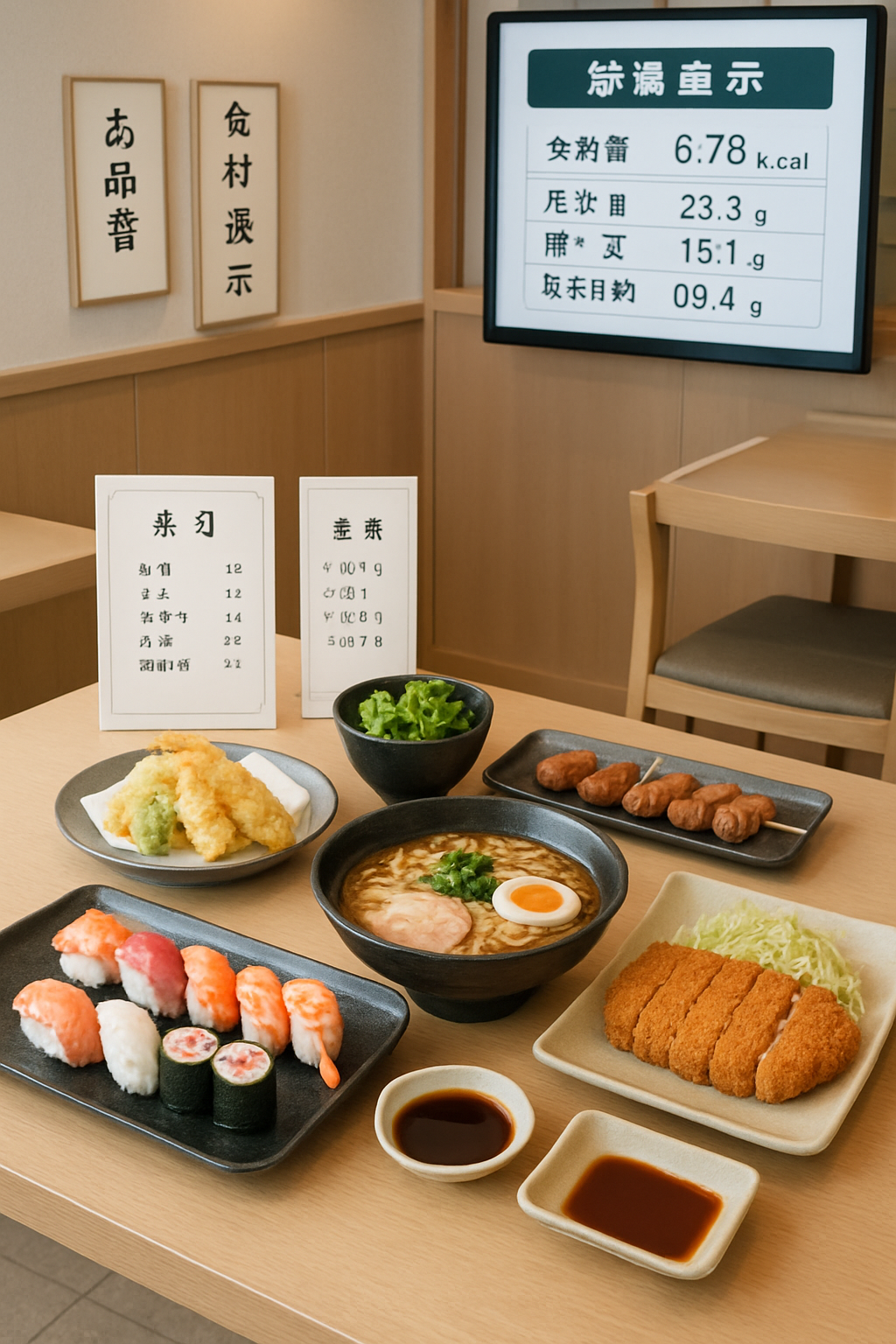
Japanese Food Translator & Nutrition Tracker App (2026 Guide)
Japan's culinary landscape is a feast for the senses, from the artistry of sushi to a comforting bowl of ramen. But for health-conscious travelers and expats, this delicious world presents a tough challenge: How do you track your nutrition when you can't read the menu? And how can you learn the language while staying true to your fitness goals?
Imagine pointing your phone at a dish, instantly seeing its name in Japanese, and getting a full nutritional breakdown. This isn't science fiction. With SnapEat AI, you can turn every meal into a seamless experience for both language learning and health tracking. This guide shows you how.
The Dual Challenge: Decoding Menus and Tracking Macros in Japan
Japanese cuisine is famously healthy, packed with fish, vegetables, and fermented foods. However, many popular dishes contain hidden calories, sodium, and fats that can derail your diet. A savory bowl of Tonkotsu ramen can be a calorie bomb, and crispy tempura is deep-fried. Without knowing the ingredients, calorie counting in Japan feels like pure guesswork.
This is made harder by the language barrier. A menu full of Kanji is daunting. You might order from a picture, unaware of the sugary sauces or oils used. This is why a dedicated nutrition tracker for Japan that also acts as a language tool is a game-changer.
Learn Japanese Food Vocabulary: Turn Meals into Language Lessons
SnapEat AI is more than a calorie counter; it's a dynamic Japanese food vocabulary app. It makes learning practical, easy, and delicious. You're not just memorizing words; you're connecting them to real food you eat every day.
How to Translate a Japanese Menu with Your Camera: A 3-Step Guide
Here’s how to start building your food vocabulary with every meal:
- Snap Your Dish: You're served a beautiful plate of grilled chicken skewers. Open SnapEat AI and take a photo.
- Get Instant Identification: The app instantly identifies it as 焼き鳥 (Yakitori). You see the Kanji, Hiragana, and Romaji spelling, connecting the dish to its name and pronunciation.
- Learn the Ingredients: SnapEat AI goes deeper, identifying the core components. You quickly learn that 鶏肉 (toriniku) means chicken and ねぎ (negi) means green onion.
Your meal history becomes a personalized visual dictionary, reinforcing your learning and helping you learn Japanese food names far more effectively than traditional methods.
Your Pocket Nutritionist for Japan: Track Calories with a Photo
Beyond language, SnapEat AI is a powerful AI nutrition app trained on a vast library of Japanese and international foods. Once you snap your meal, you get a detailed nutritional estimate, empowering you to manage your health with precision.
Make Data-Driven Food Choices
With SnapEat AI, you can compare meals in real-time. Wondering about Yakitori vs. Tonkatsu? A quick analysis reveals the difference, helping you make choices aligned with your goals. This makes tracking your macros in Japan simple and accurate.
Nutritional Snapshot: Yakitori vs. Tonkatsu
- 焼き鳥 (Yakitori - 3 skewers): Approx. 250-350 kcal, 30g Protein, 15g Fat. A high-protein, lean choice.
- とんかつ (Tonkatsu - 1 serving): Approx. 500-700 kcal, 25g Protein, 40g Fat. A delicious but calorie-dense, fried option.
The app's daily and weekly summaries provide a clear overview of your intake, showing if you're hitting your targets for weight loss or muscle gain. For anyone wondering how to track calories in Japan, this is the most effective solution.
The Synergy: How Language and Nutrition Create a Powerful Loop
The real magic happens when these two features work together. Learning that 鶏肉 (toriniku) is a high-protein chicken option solidifies both a new vocabulary word and a healthy eating habit. This synergy builds confidence and makes a healthy lifestyle in Japan sustainable and enjoyable.
You'll walk into a grocery store or restaurant ready not just to order food, but to order the right food for your body and goals.
Frequently Asked Questions (FAQ)
1. What is the best app to track calories in Japan?
SnapEat AI is an excellent choice for tracking calories in Japan because it uses photo recognition to identify local Japanese dishes, overcoming both language barriers and the difficulty of manual entry for complex meals like ramen or sushi.
2. How can I learn Japanese food vocabulary quickly?
Using a tool like SnapEat AI is highly effective. By taking photos of your daily meals, you create a visual and contextual learning experience, linking Japanese words (Kanji and Romaji) directly to the food you're eating.
3. Is Japanese food good for weight loss?
Many Japanese dishes are great for weight loss, such as sashimi, grilled fish (yakizakana), edamame, and miso soup. However, it's important to be mindful of portion sizes and calorie-dense items like tempura, tonkatsu, and rich ramen broths. Tracking your intake is key.
Conclusion: Eat Smarter and Learn Faster in Japan
Living in or visiting Japan shouldn't mean compromising your health goals or feeling lost in translation. SnapEat AI offers an integrated, engaging solution, turning the daily act of eating into an opportunity for growth—for both your body and your mind.
You can master essential food vocabulary for Japan while keeping a precise log of your nutrition. It’s the smartest way to embrace the country's incredible cuisine while staying true to your healthy lifestyle.
Ready to start? Download SnapEat AI today and turn your next meal into a lesson in both Japanese and nutrition!