


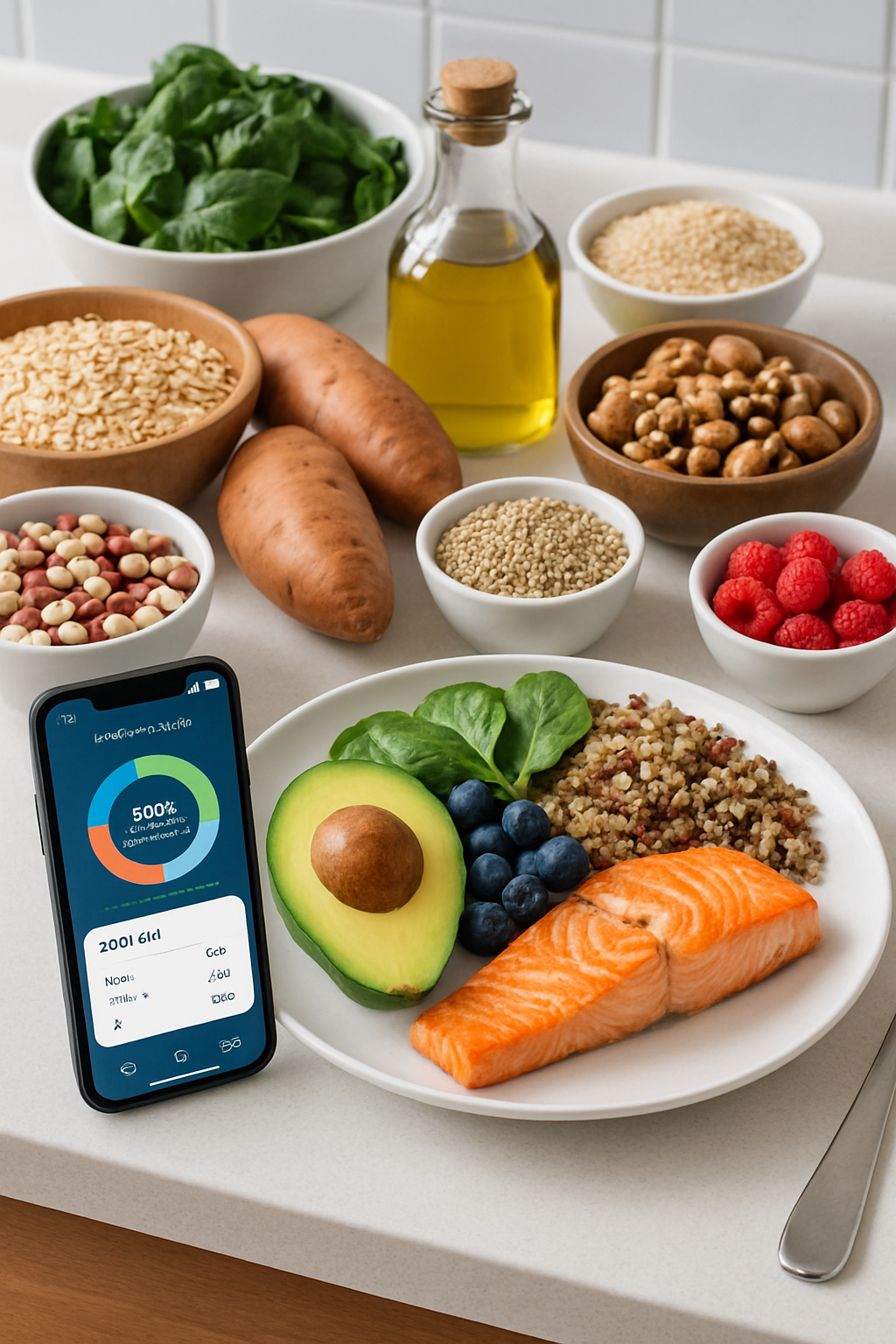
The Core Principles of an Elite Athlete's Diet
Performance nutrition isn’t about restrictive dieting; it’s about strategic fueling to maximize energy, speed up recovery, and build a resilient body. Before adopting a tool, it's crucial to understand the engine it helps manage. The philosophy behind the Lewis Hamilton diet, and any elite athlete's plan, rests on these pillars.
Macronutrients: The Engine of Performance
Think of macronutrients—or 'macros'—as your body's primary fuel sources. Getting the balance right is fundamental to any successful athlete diet plan.
- Carbohydrates: Your main source of energy. Quality carbs from sources like oats, sweet potatoes, and quinoa are stored as glycogen in your muscles and liver, ready to be called upon during intense training. They are essential for sustained power.
- Protein: The building blocks for muscle repair and growth. Every workout creates microscopic tears in your muscle fibers; protein provides the amino acids needed to rebuild them stronger. Lean sources like beans, lentils, tofu, and fish are crucial for recovery.
- Fats: A vital source of long-duration energy, essential for hormone production and absorbing nutrients. Healthy fats from avocados, nuts, seeds, and olive oil also help reduce inflammation, a key factor in accelerating recovery.
Nutrient Timing: When You Eat Is as Important as What You Eat
Fueling your body isn't just about the food itself, but also about timing. Strategic meal timing can significantly impact your performance and recovery.
- Pre-Workout Fuel: Consume a meal rich in complex carbohydrates with a moderate amount of protein 2-3 hours before training. This tops off your energy stores, ensuring you have the fuel to perform at your peak.
- Post-Workout Recovery: The 'anabolic window'—roughly 30-60 minutes post-exercise—is your prime opportunity. A combination of fast-digesting carbs and protein helps rapidly replenish glycogen and kick-starts the muscle repair process.
Lessons from a Champion: The Lewis Hamilton Diet Philosophy
Lewis Hamilton's well-documented switch to a plant-based diet in 2017 highlights a modern approach to athletic fueling. He attributes his improved energy levels, better sleep, and faster recovery to this change. While you don't have to go fully plant-based, the principles behind his performance nutrition are universal.
- Focus on Whole Foods: His diet is centered around unprocessed, nutrient-dense foods like fruits, vegetables, legumes, and whole grains. This is the cornerstone of any effective plan.
- Prioritize Anti-Inflammatory Foods: By choosing foods that fight inflammation (like leafy greens, berries, turmeric, and nuts), he accelerates his body's natural recovery process, allowing him to train consistently at an elite level.
- Consistency Over Perfection: A champion's diet isn't about one perfect meal. It’s the sum of consistent, intelligent choices made day after day. The real secret isn’t a magical menu; it’s discipline and data.
Elite athletes don’t guess if they’re getting enough protein or if their carb intake matches their energy output. They track, they analyze, and they adjust. So, how can you do the same without a team of nutritionists?
From Guesswork to Precision with Your AI Nutrition Tracker
This is where most people struggle. Manually logging every gram of food is tedious, time-consuming, and often inaccurate. It’s the biggest barrier to nutritional consistency. This is the exact problem SnapEat AI was designed to solve, acting as your personal AI nutrition tracker.
Track: The Power of a Simple Snap
Forget manual entry. With SnapEat AI, you simply take a picture of your meal. Our advanced AI instantly analyzes the food and provides a detailed breakdown of its nutritional content—calories, protein, carbs, and fats. This transforms tracking from a chore into a seamless, two-second habit, giving you the precision of an elite athlete’s nutritionist right in your pocket.
Analyze: Make Data-Driven Decisions
Once you start tracking, you unlock powerful insights. SnapEat AI reveals your daily and weekly trends, answering critical questions:
- Are you hitting your protein targets for optimal muscle recovery?
- Are you consuming enough carbohydrates to fuel your long runs or heavy lifts?
- How do your weekend meals impact your Monday performance?
This isn't just data; it's actionable intelligence that connects your diet to your results.
Win: Connect Nutrition to Your Personal Goals
'Winning' is personal. It might be a new deadlift PR, finishing your first marathon, or simply feeling more energetic every day. By using SnapEat AI, you’re no longer just eating; you're fueling with purpose. You can fine-tune your intake to match your training load, ensuring your body has exactly what it needs to perform, recover, and adapt. This is how you stop guessing and start achieving.
Your 3-Step Action Plan to Fuel Like a Champion
Ready to elevate your performance? Here's how to start your journey today.
- Define Your 'Win': What is your primary performance goal for the next 90 days? (e.g., 'Run a sub-50 minute 10k', 'Increase bench press by 10kg'). A specific goal will be your north star.
- Gather Your Baseline Data: Download the SnapEat AI app and commit to snapping every meal for one week. Don't change anything yet—the goal is to see your starting point.
- Analyze and Make One Change: At the end of the week, review your nutritional reports. Identify one key area for improvement based on the principles above. Maybe it's adding a protein source to breakfast or planning a dedicated post-workout recovery meal. Start small and build momentum.
Frequently Asked Questions (FAQ)
What does Lewis Hamilton eat in a day?
While his exact menu varies, his diet is built on plant-based whole foods. A typical day might include porridge with berries for breakfast, a large lentil and quinoa salad for lunch, and a vegetable curry with brown rice for dinner. Snacks often consist of fruits, nuts, and protein shakes.
Is a plant-based diet necessary for elite performance?
Not necessarily, but its principles—high intake of whole foods, fiber, and anti-inflammatory compounds—are beneficial for any athlete. Many athletes thrive on diets that include lean meats and fish. The key is focusing on nutrient quality, not just the food source.
How can an AI nutrition tracker improve my performance?
An AI tracker eliminates guesswork. It provides precise data on your calorie and macronutrient intake, allowing you to align your diet perfectly with your training demands. This ensures you're never under-fueled for workouts or lacking the protein needed for recovery, leading to faster, more consistent progress.
The journey to peak performance is built on a foundation of smart, consistent habits. Lewis Hamilton has a team of experts to manage his nutrition. You have SnapEat AI.
It’s time to unlock your full potential. Stop guessing, start tracking. Stop eating, start fueling. Your race is waiting.
Download SnapEat AI today and begin your journey from tracking to winning.