


The Daily Grind of Manual Meal Logging: Why We Often Fail
We’ve all been there. You finish a delicious meal, and now the tedious task begins: firing up a traditional nutrition tracking app. Was that 4 or 6 ounces of chicken? How much olive oil did you really use? This daily grind of manual food logging is why even the most motivated individuals fall off the health wagon. It’s time-consuming, prone to guesswork, and frankly, it strips the joy from eating. But what if an AI meal tracker could do the heavy lifting for you, making nutrition tracking as simple as taking a photo? This is the promise of SnapEat AI.
How SnapEat AI Works: Your Personal Nutrition 'Bloodhound'
SnapEat AI represents a monumental leap forward from manual entry. This food tracking AI uses a sophisticated blend of technologies to deconstruct your meal from a simple picture. The process brings a new level of ease and accuracy to your health journey.
Step 1: The Snap - Capturing Your Meal with Image Recognition
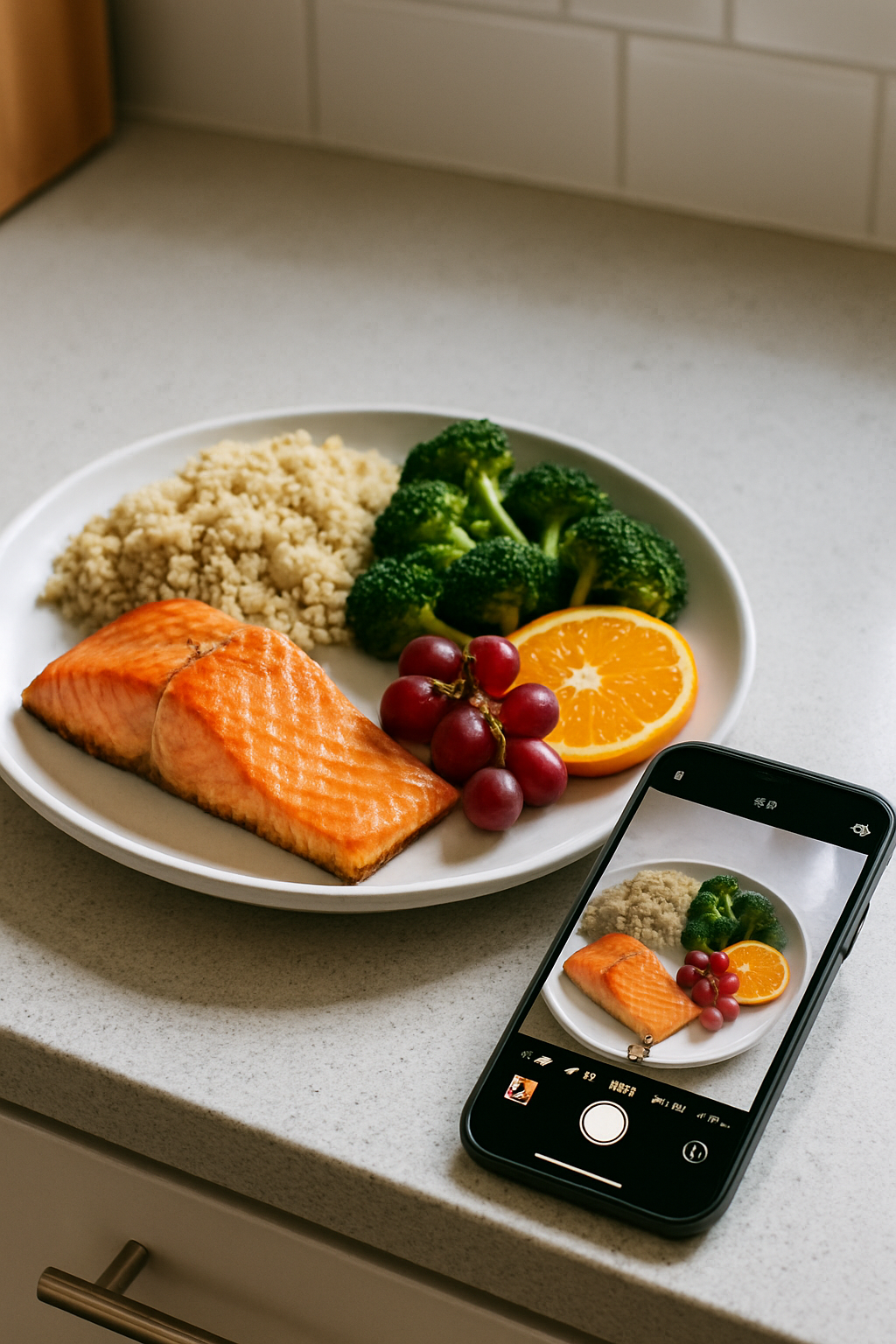
At its core, the process is beautifully simple. You point your phone’s camera at your plate and take a picture. SnapEat AI’s powerful image recognition algorithm instantly gets to work, identifying the different food items on your plate—from the quinoa and roasted broccoli to the salmon fillet.
Step 2: The Analysis - Deconstructing Your Plate into Nutritional Data
This is where the real magic happens. The AI doesn't just see 'chicken'; it uses advanced algorithms to estimate the volume and weight of each food item. It then cross-references this information with a vast, professionally verified nutrition database to calculate a detailed breakdown of your meal: calories, macronutrients (protein, carbs, fat), and even essential micronutrients. It’s an automatic calorie counter app, but with far more depth.
Step 3: The Learning - Getting Smarter with Every Meal
Powered by machine learning, SnapEat AI learns your eating habits over time. It starts to recognize your favorite homemade chili recipe or the specific brand of yogurt you prefer. The more you use this AI nutrition coach app, the faster, more accurate, and more personalized it becomes.
Beyond Tracking: Transforming Data into Actionable Guidance
The true power of an AI nutrition coach app isn't just in tracking what you've already eaten—it's about guiding you toward better choices. SnapEat AI turns raw data into your personal roadmap for health.
- Real-Time Feedback: Immediately after logging, the app can provide instant insights like, "Great source of protein in this meal! Consider adding more fiber at dinner to help meet your daily goal." This makes healthy eating a dynamic and engaging process.
- Goal Alignment: Whether your goal is weight loss, muscle gain, or managing blood sugar, the AI visualizes your progress, shows how your food choices impact your goals, and helps you understand the link between what you eat and how you feel.
- Pattern Identification: Are you consistently low on iron? Do your sugar cravings spike on weekday afternoons? SnapEat AI can analyze data over weeks and months to reveal hidden dietary patterns, empowering you to make targeted changes.
A Nutritionist’s Take: Is AI Food Tracking Accurate?
As a nutritionist with a PhD in Dietetics, I see tools like SnapEat AI as powerful allies. While no technology is 100% perfect, the accuracy of leading platforms is already impressive and constantly improving, far surpassing the average person's manual estimation.
The Uneniable Advantages:
- Objectivity & Consistency: AI removes the emotion and guesswork from tracking. It provides objective data, day in and day out.
- Accessibility: It puts powerful nutritional analysis into everyone's hands, empowering them to take control of their health. A great resource could be exploring how to better understand your macronutrients.
- Behavioral Change: By providing instant feedback, it helps reinforce positive eating habits in a way that an occasional visit to a nutritionist cannot.
The Human Element AI Can't Replace:
However, it's crucial to remember that AI is a tool, not a replacement for human expertise, especially for those with complex medical conditions or eating disorders. An AI can't understand the 'why' behind your choices—the stress that led to a binge or the cultural significance of a meal. That's where the empathy and holistic guidance of a qualified health professional remain irreplaceable.
Frequently Asked Questions (FAQ) about AI Meal Trackers
How do I track meals with a photo?
With an app like SnapEat AI, you simply open the app, tap the camera icon, and take a clear, well-lit picture of your entire meal. The app's AI analyzes the image, identifies the foods, estimates portion sizes, and provides a full nutritional breakdown.
Is AI food tracking more accurate than manual logging?
For most users, yes. Manual logging is prone to errors in portion size estimation and remembering all ingredients. While not flawless, AI uses volumetric analysis from the photo to make a more consistent and often more accurate estimation than human guesswork.
What's the difference between SnapEat AI and an app like MyFitnessPal?
The primary difference is the input method. Traditional apps like MyFitnessPal rely on manual searching and entry from a large, often user-generated, database. SnapEat AI uses image recognition to automate the logging process, saving time and reducing the friction of tracking.
Conclusion: Embrace Your AI Health Companion
The era of tedious manual meal logging is drawing to a close. The rise of digital health tools like SnapEat AI is transforming personal wellness. By taking on the role of a meticulous nutrition 'bloodhound', this technology frees us from the burden of tracking and empowers us with the clarity to build sustainable, healthy habits. If you're ready to stop guessing and start knowing, it’s time to let an AI meal tracker be your trusted companion on the path to a healthier you.