


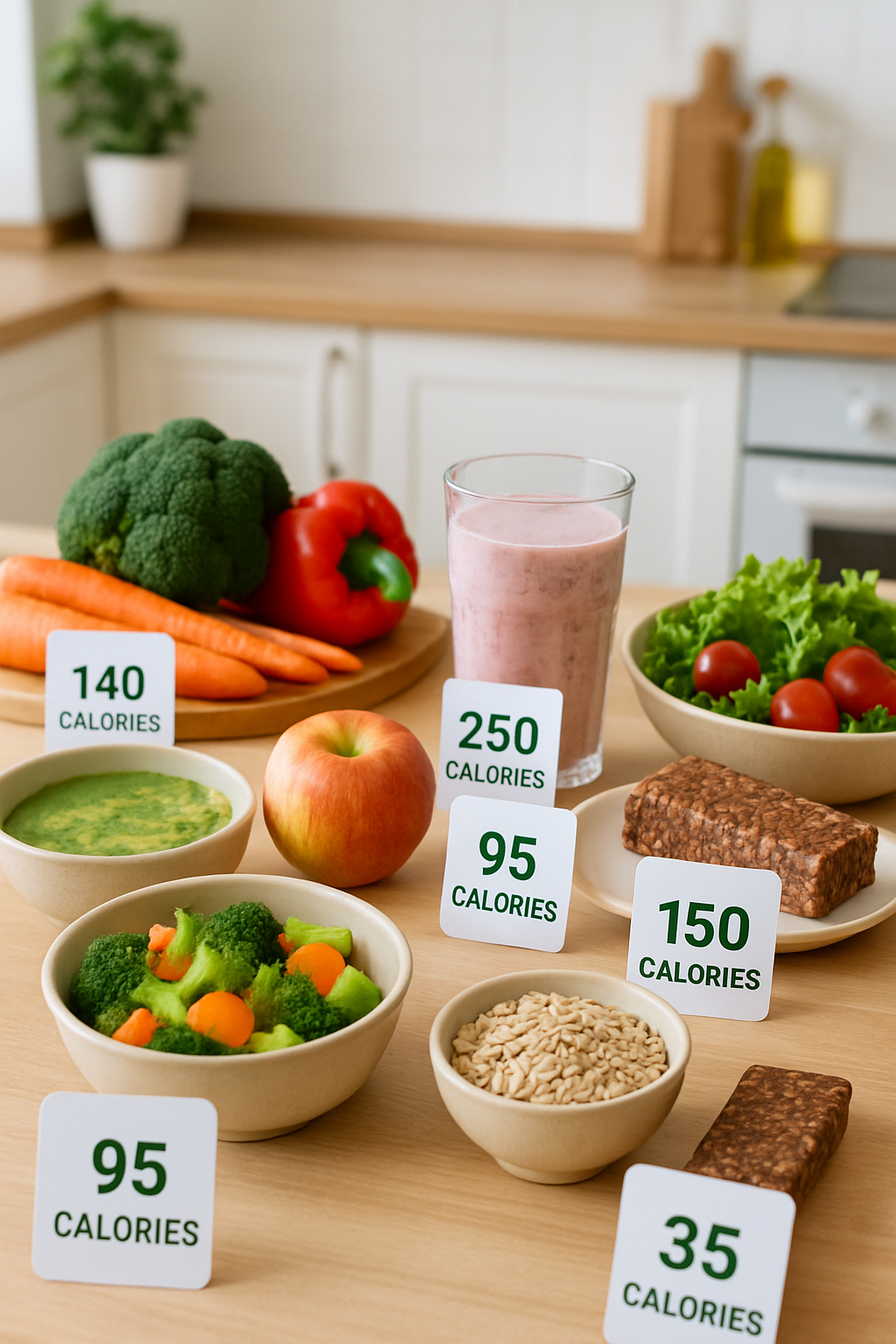
How It Works
These smart dieting tools are most often embraced by individuals with weight management goals who seek an efficient and data-driven path. While not a replacement for medical advice, these platforms are increasingly recognized by wellness experts. Users of such AI coaches can benefit from a level of monitoring previously unavailable outside a clinical setting. This AI-powered guidance makes the weight loss journey safer and more personalized for many individuals. These tools are designed for long-term sustainable use, unlike crash diets that are only effective for a few weeks. The types of features that enable this are described below.
Individuals who adopt a steady, technology-assisted approach to weight loss are significantly more likely to maintain their results compared to those who lose weight rapidly through extreme measures. Sustainable loss is less stressful on the body, and the hormonal response is more balanced. This balanced hormonal state is a key reason why weight loss can be maintained and why the dreaded rebound weight gain is less likely when a sensible, tracked lifestyle is adopted.
Very Low-Calorie Diet (VLCD) vs. Smart Tracking
In a traditional VLCD, you might consume as few as 800 calories daily, leading to a loss of 3 to 5 lbs (1.5 to 2 kg) per week. Many VLCDs depend on meal replacements like formulas or bars to ensure nutrient intake. With SnapEat AI, you can achieve a calorie deficit without such extreme restrictions. The app's AI food recognition allows you to eat real food while ensuring you get all necessary nutrients, simply by snapping a picture of your meal. It provides the precision of a VLCD without the restrictive meal replacements.
A VLCD is typically only suggested for adults with obesity for specific health reasons, often pre-surgery. SnapEat AI, however, is a tool for any adult looking to manage their weight responsibly. It provides the oversight and data that a health provider would value, but with the convenience of an app. Experts generally advise against VLCDs for more than 12 weeks; SnapEat AI is designed for ongoing lifestyle integration.
Low-Calorie Diet (LCD) Enhanced with AI
Traditional LCDs often suggest around 1,200-1,500 calories for women and 1,500-1,800 for men. An LCD is a more moderate approach than a VLCD, and SnapEat AI makes it even more effective. You still need to be mindful of your intake, but the app removes the manual counting and guesswork. While weight loss on a smart-tracked LCD may be more gradual than a VLCD, the total sustainable weight loss can be just as significant, if not more so.
An AI-powered approach uses a combination of logged meals from real food and smart suggestions, making it far more flexible and easier to adhere to than a rigid VLCD or manual LCD.
Time-Restricted Eating
This dietary strategy is gaining significant traction and is often compared to fasting. Time-restricted eating confines your daily food consumption to a specific window. A common method is the 16:8 plan, where you consume all meals within an 8-hour period, for example, from 11 am to 7 pm. Outside this window, you fast. SnapEat AI is the perfect companion for this strategy, helping you track your eating windows and ensuring the meals you consume are nutritionally balanced, which is crucial for making this method effective and sustainable.
Intermittent Fasting
Fasting is a time-honored method of calorie management that has seen a modern resurgence, partly due to studies showing its benefits for metabolic health. Many fasting protocols exist, and SnapEat AI can adapt to any of them. One popular system is the 5:2 diet, involving two days of very low-calorie intake and five days of normal eating. With SnapEat AI, you can precisely track your calories on fasting days and ensure you're eating adequately on non-fasting days, preventing the common pitfalls of this approach and maximizing its benefits for rapid yet controlled weight loss.
Fad Diets
Many fad diets drastically cut calories to promise rapid weight loss. Often, these diets are nutritionally incomplete and unsafe. In nearly all cases, they are not sustainable long enough to produce lasting results. Once you abandon the diet, you are highly likely to regain the weight if you revert to previous eating patterns. For most individuals, the safest and most effective path is a gradual loss of 1 to 2 lbs (0.5 to 1 kg) per week, which SnapEat AI is designed to help you achieve.
The Role of Exercise
While calorie management is key, exercise is a vital component of healthy weight loss. SnapEat AI syncs with your health apps to integrate your physical activity data. This provides a complete overview of your energy balance—calories in versus calories out. The app may offer suggestions on how to balance your activity and food intake, helping you move from a diet-focused phase to a long-term wellness lifestyle.
Health Benefits
Using an AI coach like SnapEat AI is for anyone wanting to improve their health through weight management. For those with health issues linked to weight, achieving a healthy weight over time can significantly improve conditions like:
- Type 2 Diabetes
- High Cholesterol
- High Blood Pressure
Possible Health Concerns
You should always use a tool like SnapEat AI as part of a well-informed health plan, ideally with guidance from your provider. Losing weight too quickly—more than 2 lbs (1 kg) a week—can be risky for most people. It can lead to the loss of muscle, water, and bone density. Unmanaged rapid weight loss can also have side effects, including:
- Gallstones
- Gout
- Fatigue
- Constipation
- Diarrhea
- Nausea
People who lose weight too quickly are also prone to regaining it just as fast. This yo-yo effect can create further health complications. In general, rapid weight loss plans are not safe for children, teenagers, pregnant women, or older adults unless specifically recommended by a doctor. If you have a medical condition, it is always wise to speak with your provider before starting any new diet or weight loss program.