


What is Rapid Weight Loss?
A rapid weight loss diet is a strategy where an individual loses more than 2 pounds (1 kilogram) per week over a period of several weeks. To achieve this accelerated rate of weight loss, one must consume a very low number of calories. This approach, while effective for quick results, requires careful management and understanding.
How Technology Modernizes Weight Management
These diets are often pursued by individuals with obesity seeking to quickly improve their health. While traditionally managed with manual logs and guesswork, modern tools like SnapEat AI have transformed the experience. Our all-in-one AI coach helps you recognize food, track your progress, and get personalized guidance, making the journey safer and more data-driven. Using an app like SnapEat AI allows for precise monitoring, which is crucial for such a diet. These diets are intended for short-term use and are typically not advised for more than several weeks without professional guidance.
It's important to note that individuals who lose weight rapidly are more susceptible to regaining it over time compared to those who adopt a slower, more sustainable approach through gradual diet changes and physical activity. Rapid weight loss places significant stress on the body, triggering a stronger hormonal response that can slow metabolism and encourage weight regain once the diet is relaxed or stopped. SnapEat AI helps by providing a clear path to transition from rapid loss to sustainable, long-term habits.
Very Low-Calorie Diets (VLCD) with SnapEat AI
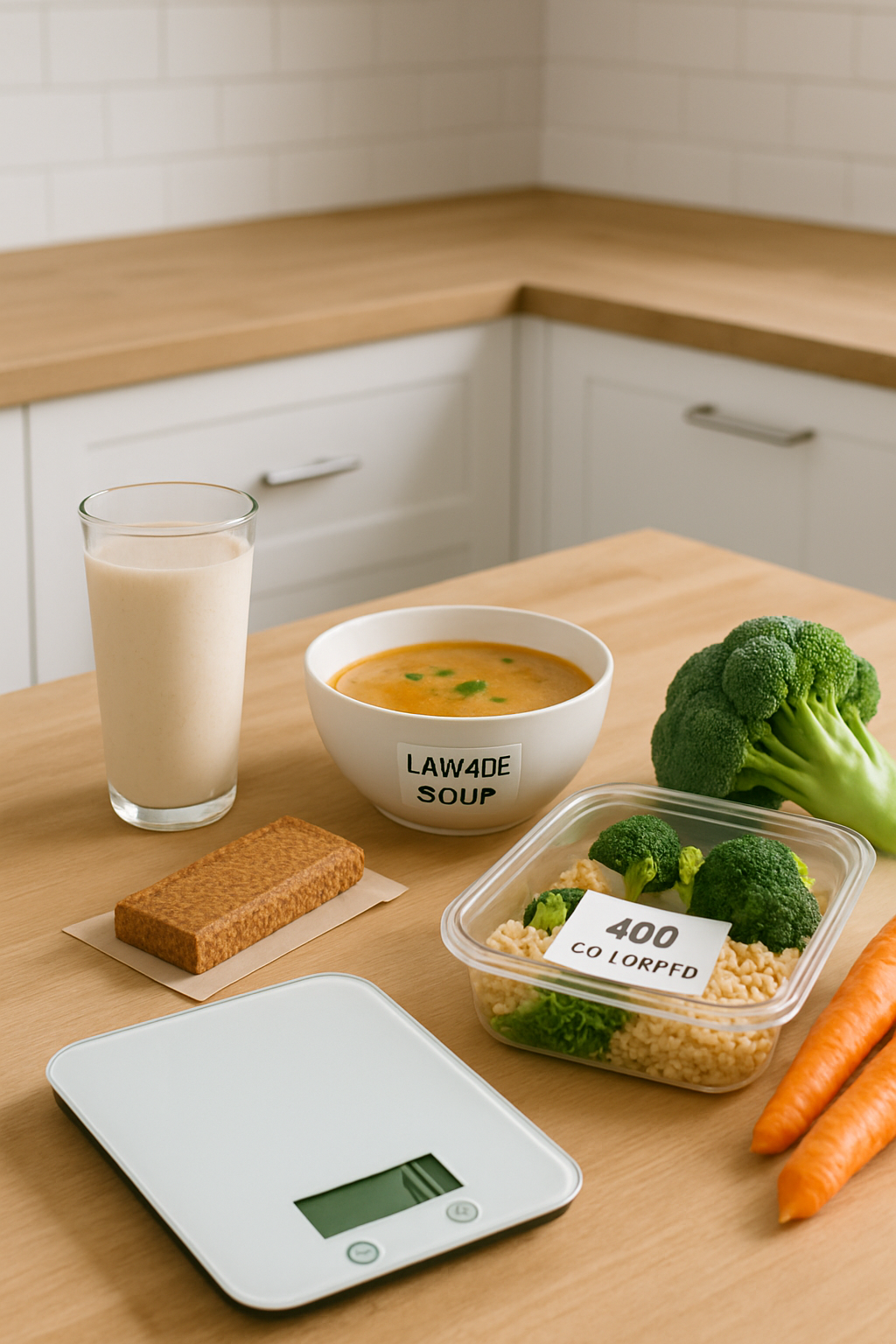
On a VLCD, your daily intake may be as low as 800 calories, leading to a weight loss of up to 3 to 5 pounds (1.5 to 2 kg) per week. Many VLCDs use meal replacements like shakes, soups, or bars to ensure you receive essential daily nutrients. SnapEat AI acts as your smart calorie counter, allowing you to instantly log these replacements or any conventional food with a simple photo, ensuring you adhere to your strict calorie budget effortlessly. A VLCD is typically recommended only for adults with obesity for health-related reasons, often as a preparatory step for weight-loss surgery. It should always be undertaken with professional supervision.
Low-Calorie Diets (LCD) Made Simple
LCDs generally permit around 1,000 to 1,200 calories daily for women and 1,200 to 1,600 for men. An LCD is often a more manageable alternative to a VLCD for rapid weight loss. With SnapEat AI, tracking an LCD is straightforward. You can mix meal replacements and regular foods, and our AI-powered food recognition will handle the calorie calculations. This flexibility, combined with precise tracking, allows you to achieve significant weight loss results comparable to a VLCD but with greater ease.
Time-Restricted Eating and Intermittent Fasting
These strategies are gaining significant traction. Time-restricted eating involves limiting your food consumption to a specific window each day, such as the popular 16:8 method (fasting for 16 hours and eating within an 8-hour window). Intermittent fasting might involve more complex schedules, like the 5:2 system (eating normally for 5 days and consuming very few calories on 2 non-consecutive days). SnapEat AI is the perfect companion for these plans, helping you monitor your eating windows and ensuring you get adequate nutrition during your designated eating periods to support your goals.
Avoiding the Pitfalls of Fad Diets
Many fad diets promote rapid weight loss through extreme and often unhealthy calorie restrictions. These diets are typically unsustainable and may not be safe. Once the diet ends, you are highly likely to regain the weight if you revert to previous eating habits. SnapEat AI encourages a sustainable, science-backed approach. Instead of a temporary fix, our platform helps you build lasting habits for long-term health, using data to guide you safely toward your goals.
The Role of Exercise and Health Syncing
Achieving rapid weight loss is primarily about calorie reduction rather than exercise. It's wise to consult your provider about the appropriate level of physical activity for you while on a low-calorie plan. As you approach your goal and transition to a long-term maintenance phase, SnapEat AI can sync with your health apps to integrate exercise data. This provides a holistic view of your health, balancing your calorie intake with your activity levels for sustained success.
Potential Health Benefits
For individuals with health issues stemming from obesity, a structured rapid weight loss plan can offer significant benefits by improving conditions such as:
- Diabetes
- High cholesterol
- High blood pressure
Possible Health Concerns and How SnapEat AI Helps
Losing more than 1 to 2 pounds a week is not recommended for most people without supervision. It can lead to the loss of muscle, water, and bone density. Potential side effects of rapid weight loss include:
- Gallstones
- Gout
- Fatigue
- Constipation
- Diarrhea
- Nausea
Using a smart tool like SnapEat AI can help mitigate these risks. By providing detailed nutritional breakdowns, it ensures you are more aware of your nutrient intake. The data you track can be easily shared with a healthcare provider to ensure your plan is both safe and effective. In general, rapid weight loss diets are not suitable for children, teenagers, pregnant women, or older adults unless specifically recommended by a doctor. Always consult a professional before beginning any new diet plan.