


What is Rapid Weight Loss?
A rapid weight loss plan is defined as any diet that results in losing more than two pounds (approximately 1 kilogram) per week over a period of several weeks. This accelerated pace is achieved by creating a substantial calorie deficit, meaning you consume significantly fewer calories than your body burns. While the promise of quick results is tempting, this approach is an intense stress on the body and should be approached with caution and full awareness of its implications.
Common Rapid Weight Loss Strategies
These diet plans are typically considered by individuals with obesity who have a medical need for fast results. It is crucial that anyone on such a diet is closely monitored by a healthcare provider, as undertaking them independently can be unsafe. These diets are designed for short-term use, rarely recommended for more than a few weeks. It's also important to note that individuals who lose weight this quickly are far more likely to regain it over time compared to those who adopt gradual lifestyle changes.
Very Low-Calorie Diet (VLCD)
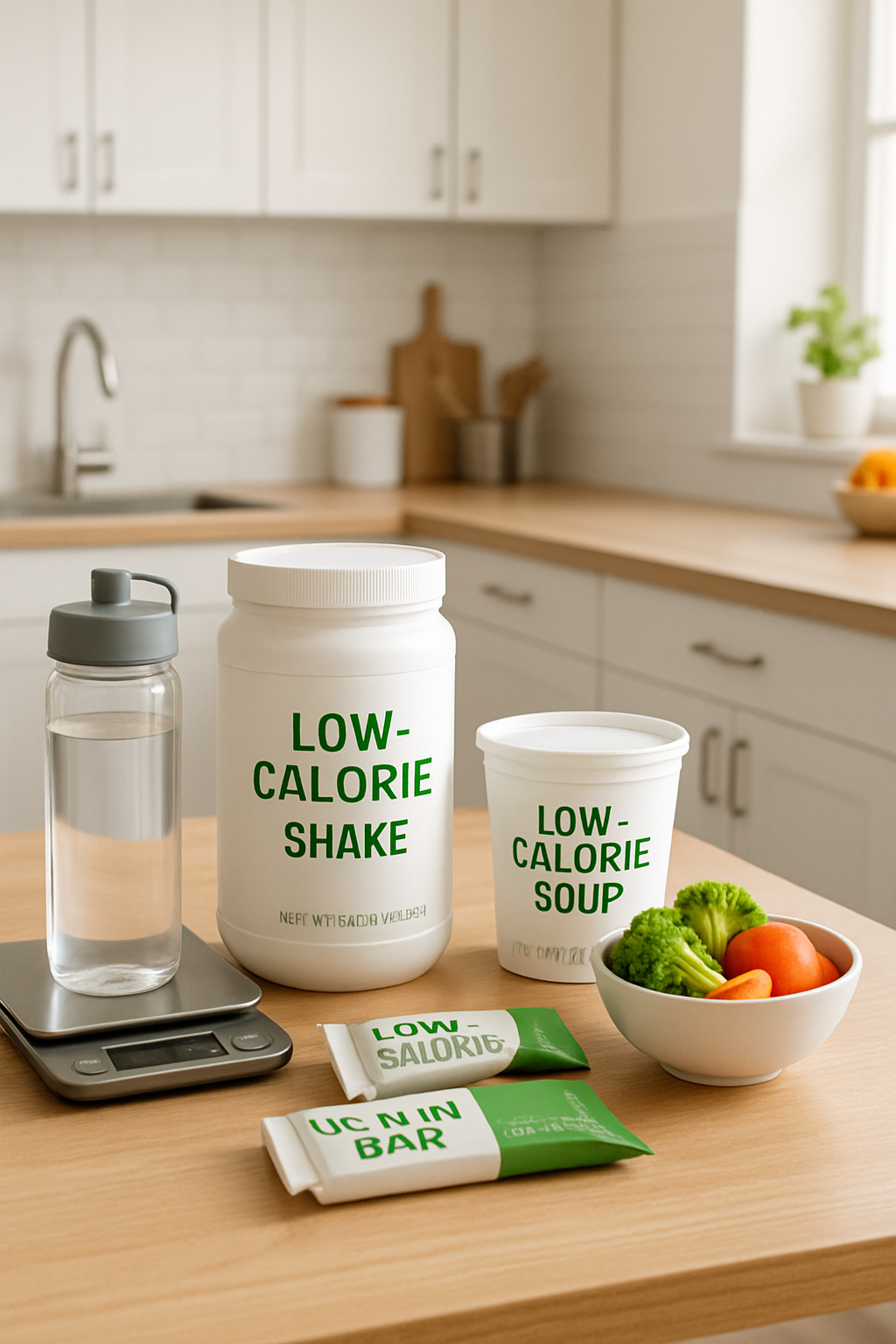
A VLCD is one of the most extreme methods, restricting daily intake to as little as 800 calories. This can lead to a weight loss of three to five pounds per week. To ensure proper nutrition despite the low calorie count, VLCDs often rely on specially formulated meal replacements like shakes, soups, and bars. For those on a medically-supervised VLCD, ensuring every calorie is accounted for is non-negotiable. An AI-powered tool like SnapEat AI can be indispensable, allowing you to log meal replacement products instantly and monitor your intake to stay precisely within the prescribed caloric limit.
Low-Calorie Diet (LCD)
A more moderate but still aggressive approach, an LCD typically permits 1,000 to 1,200 calories daily for women and 1,200 to 1,600 for men. While the weight loss is slightly slower than a VLCD, it can be just as effective overall and is often considered a more manageable choice. An LCD may involve a combination of meal replacements and regular foods. This variety can make tracking complex, which is where SnapEat AI's food recognition technology shines. By simply snapping a photo of your meal, you can get an accurate calorie and nutrient breakdown, making it easier to manage your intake without constant manual entry.
Time-Restricted Eating and Intermittent Fasting
These strategies focus more on *when* you eat rather than just *what* you eat. Time-restricted eating involves limiting your food consumption to a specific window each day, such as the popular 16:8 method (an 8-hour eating window). Intermittent fasting might involve more drastic schedules, like the 5:2 plan, which includes two days of near-fasting per week. While these methods can trigger rapid weight loss, the quality of your diet during the eating periods is vital. SnapEat AI helps you monitor your calorie intake during non-fasting periods to ensure you're meeting your nutritional goals without overconsuming, which can negate the benefits of the fast.
A Note on Fad Diets
Many fad diets promise rapid weight loss by severely limiting calories or entire food groups. These diets are often nutritionally unbalanced, unsustainable, and in some cases, dangerous. Once the diet is stopped, returning to old eating habits almost guarantees that the weight will be regained. A structured, data-driven approach is always safer and more effective.
The Role of Exercise in Rapid Loss
For rapid weight loss, the primary driver is calorie reduction, not exercise. In fact, on a very low-calorie plan, strenuous exercise may not be advisable. It is essential to consult with your healthcare provider about the appropriate type and amount of physical activity for your situation. Once your provider approves exercise, you can sync your health apps with SnapEat AI. This provides a holistic view of your energy balance, combining your tracked calorie intake with your energy expenditure for a complete picture of your progress.
Potential Benefits vs. Health Risks
For individuals with obesity-related health issues, rapid weight loss can offer significant benefits, including improvements in diabetes, high cholesterol, and high blood pressure. However, the risks are substantial. Losing weight too quickly can cause a loss of muscle, bone density, and water, not just fat. Potential side effects include gallstones, gout, fatigue, constipation, nausea, and diarrhea. Moreover, the hormonal response to rapid weight loss makes regaining the weight highly probable. These diets are generally not considered safe for children, teenagers, pregnant women, or older adults without explicit recommendation and supervision from a doctor.
How SnapEat AI Can Support Your Journey
Embarking on a rapid weight loss journey requires precision, accountability, and professional oversight. SnapEat AI is designed to be your all-in-one AI coach, acting as a powerful support tool to help you execute your provider's plan safely. Key features include:
- Effortless Recognition: Instantly log meals and get calorie counts just by taking a picture, which is perfect for complex LCD plans.
- Progress Tracking: Monitor your daily intake, track weight changes, and see your progress over time, keeping you motivated and accountable.
- Health Syncing: Integrate with other health apps to get a comprehensive view of your activity levels and overall health.
While SnapEat AI provides the data and guidance to stay on track, it is not a substitute for professional medical advice. Always consult with a healthcare provider before starting any diet plan, especially one involving rapid weight loss. Use smart tools to support a journey that prioritizes your long-term health and safety above all.