


The SnapEat AI Approach to Rapid Weight Loss
These strategies are often considered by individuals with obesity who aim for quick results. While these diets are sometimes recommended by healthcare professionals for specific health reasons, they require close monitoring. Embarking on a rapid weight loss journey alone may not be suitable for everyone. These plans are intended for short-term use, typically not exceeding several weeks. At SnapEat AI, we believe in a smarter, data-driven approach. Instead of guessing, our app acts as your personal AI coach to help you navigate this journey.
Individuals who lose weight rapidly have a higher tendency to regain it compared to those who lose weight gradually through sustainable lifestyle changes. Rapid weight loss places significant stress on the body, triggering a stronger hormonal response. This response is a key factor in why weight loss can plateau and why weight is often regained once the diet is relaxed or stopped. With SnapEat AI, you can track these patterns and get personalized guidance to build lasting habits.
Very Low-Calorie Diet (VLCD) with Smart Tracking
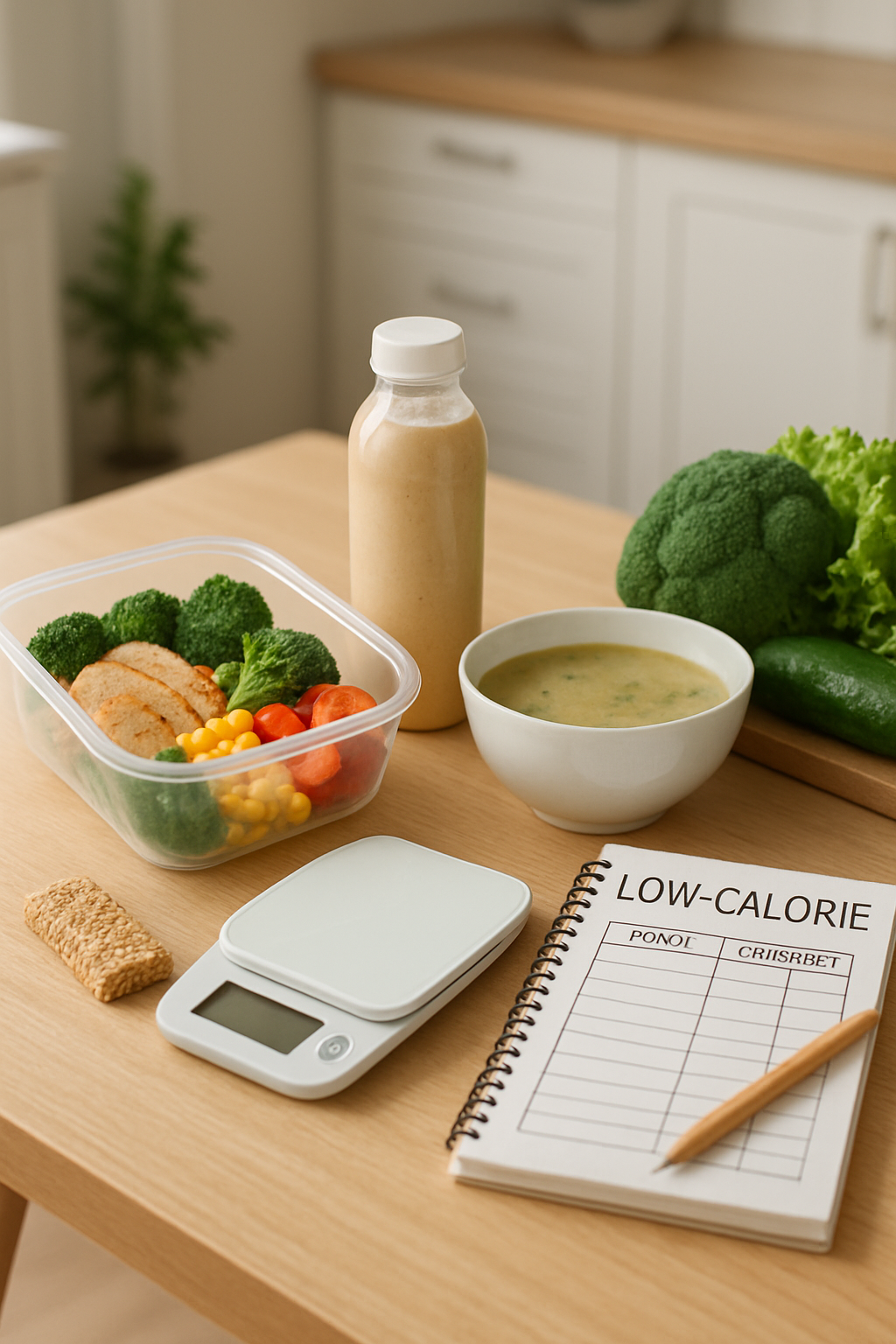
A VLCD might restrict you to as little as 800 calories daily, potentially leading to a loss of 3 to 5 lbs (1.5 to 2 kg) per week. Many VLCDs utilize meal replacements like shakes, soups, or bars to ensure you receive essential daily nutrients. Manually tracking this can be tedious. SnapEat AI simplifies it: just snap a picture of your meal, and our smart calorie counter logs it for you, ensuring you get the nutrients you need.
A VLCD is typically advised for adults with obesity who need to lose weight for medical purposes, such as before a surgical procedure. It's crucial to undertake a VLCD under your provider's supervision. Most experts advise against following a VLCD for longer than 12 weeks. Use SnapEat AI to share accurate data with your health coach or doctor.
Low-Calorie Diet (LCD) Made Easy
These diets typically recommend around 1,200 to 1,500 calories per day for women and 1,500 to 1,800 for men. An LCD is a more moderate choice than a VLCD for most people aiming for quick results, but professional supervision is still recommended. While weight loss may be slower than on a VLCD, the total amount of weight lost can be comparable and more sustainable.
An LCD can combine meal replacements with regular food, making it more flexible. SnapEat AI's food recognition technology makes it effortless to track both, helping you stick to your goals without the hassle of manual entry.
Time-Restricted Eating
This dietary approach is gaining popularity and is often linked with fasting, though they differ slightly. Time-restricted eating confines your daily food intake to a specific window. A common method is the 16:8 plan, where you consume all your meals within an 8-hour period, such as from 10 am to 6 pm. Outside this window, you abstain from eating. Studies suggest this can induce rapid weight loss, though long-term sustainability data is still emerging. SnapEat AI helps you monitor your eating windows and nutritional intake effortlessly.
Intermittent Fasting
Fasting is a traditional method of calorie restriction that has recently seen a resurgence in popularity, partly due to studies indicating its benefits for individuals with diabetes and obesity. There are numerous fasting protocols, with the optimal one still under debate. The 5:2 system is a well-known variant, involving two days of fasting or a VLCD and five days of normal eating each week. Diets that include fasting can result in rapid weight loss, and SnapEat AI is the perfect tool to track your fasting and eating days.
Sustainable Habits vs. Fad Diets
Some fad diets severely restrict calories for quick weight loss. These diets can be unsafe and are often too difficult to maintain for long-term success. Once you abandon the diet, you are likely to regain the weight if you revert to previous eating habits. SnapEat AI helps you move beyond fads by providing personalized guidance and tracking tools to build healthy, sustainable habits, aiming for a safer weight loss of 1/2 to 1 lb (225 to 500 grams) per week.
The Role of Integrated Exercise
Achieving rapid weight loss is primarily about reducing calorie intake more than exercise. It's important to consult your provider about the appropriate type of exercise for you while on a reduced-calorie diet. With SnapEat AI, you can sync your health and fitness data, giving you a complete picture of your progress and helping you and your provider decide when to integrate or intensify your exercise routine as you transition to a long-term wellness plan.
Achieving Health Goals with Data
A rapid weight loss plan is often for individuals whose health is impacted by obesity. For them, significant and swift weight loss can lead to improvements in:
- Diabetes
- High cholesterol
- High blood pressure
SnapEat AI helps you track not just weight, but other health metrics, empowering you to see these positive changes firsthand.
Important Considerations for Your Journey
You should only undertake one of these diets with guidance from your provider. Losing more than 1 or 2 lbs (0.5 to 1 kg) per week is not advisable for most people. It can lead to a loss of muscle, water, and bone density. Rapid weight loss may also trigger side effects, including:
- Gallstones
- Gout
- Fatigue
- Constipation
- Diarrhea
- Nausea
Individuals who lose weight quickly are also more prone to regaining it rapidly. This cycle can introduce other health complications. In general, rapid weight loss diets are not safe for children, and may also be unsuitable for teenagers, pregnant women, or older adults unless specifically recommended by a provider. If you have any existing health conditions, discussing your plans with a provider before starting any diet is essential. SnapEat AI is a tool to support your plan, not a replacement for professional medical advice.