


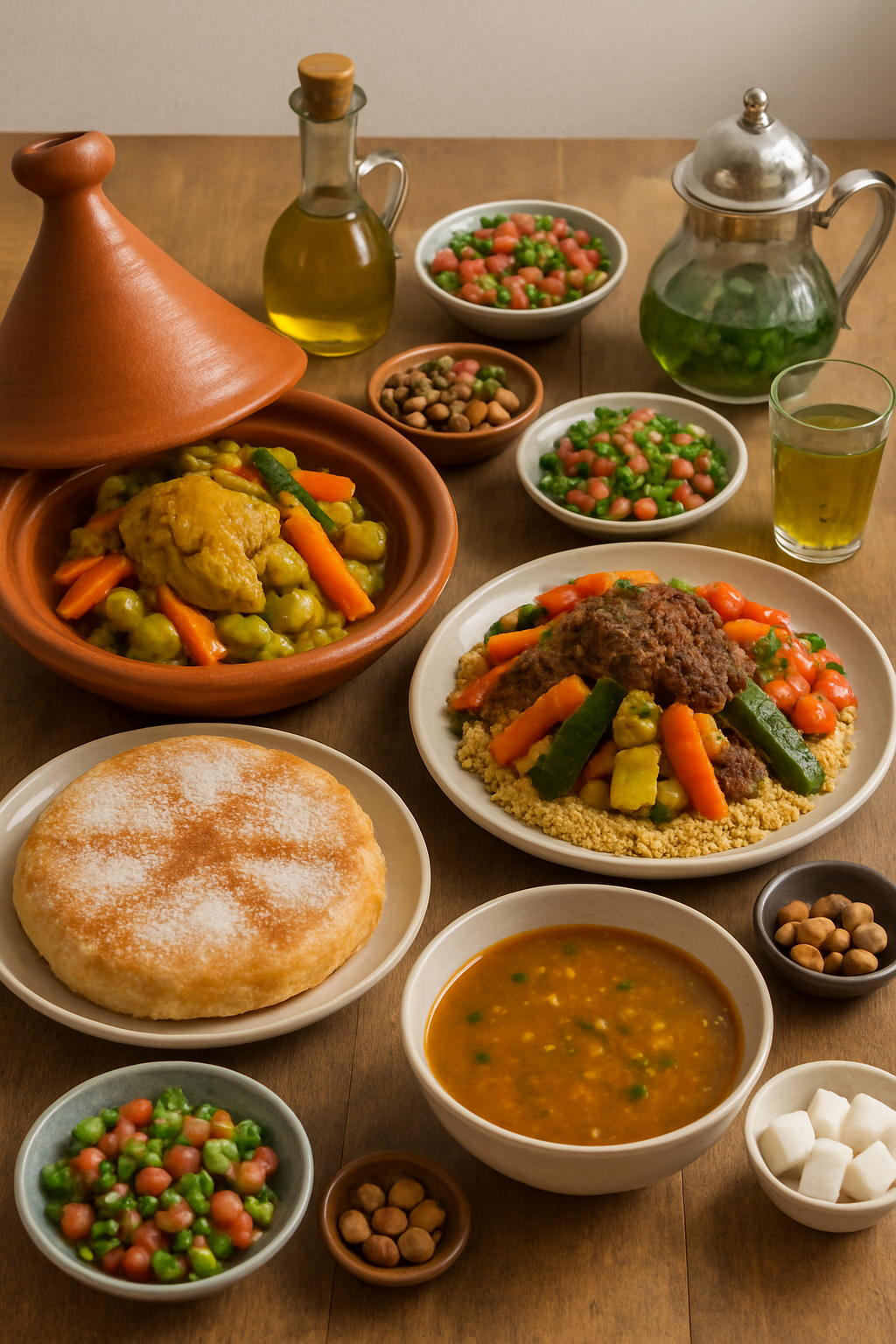
Unpacking the Nutritional Treasures of Moroccan Cuisine
Contrary to what some might believe, Moroccan cuisine is built on an incredibly healthy foundation. The secret lies in understanding its core components and making smart choices. The traditional diet emphasizes whole foods, beneficial spices, and balanced meals, making it inherently nutritious when approached mindfully.
The Healthy Foundation: Lean Proteins, Vegetables, and Spices
At its heart, Moroccan cooking is rich in lean proteins like chicken, fish, and legumes (lentils, chickpeas). Dishes are famously flavored with a powerful blend of anti-inflammatory spices like turmeric, ginger, and cinnamon rather than excessive salt. Vegetables are not a side dish; they are stars in tagines and salads, providing essential vitamins and fiber.
Smart Carbohydrates: Couscous, Legumes, and Whole Grains
Couscous, a national dish, is a fantastic source of energy. When paired with the traditional "seven vegetables," it becomes a balanced meal. Many dishes also feature other complex carbs like barley, beans, and lentils, which are excellent for sustained energy and digestive health.
Healthy Fats: The Role of Olive Oil, Argan Oil, and Nuts
The generous use of olive oil and the unique, nutty flavor of argan oil provide heart-healthy monounsaturated fats, as recommended by nutrition experts. Almonds, walnuts, and seeds are also frequently used, adding texture, flavor, and a boost of healthy fats and nutrients.
Navigating the Pitfalls: Sauces, Sugars, and Portions
The challenges often lie in the details. Sauces can be rich in oil, some dishes are fried, and the delicious bread (khobz) is perfect for soaking up every last drop—and adding extra calories. The biggest hidden culprit is often the beloved mint tea, which is traditionally served with large amounts of sugar. Portion control is key.
How SnapEat AI Works: Your Personal Moroccan Nutrition Coach
This is where technology empowers you. A traditional calorie counter app would require you to manually input every single ingredient in a complex tagine recipe—an impossible task. SnapEat AI, your AI-powered calorie counter, simplifies everything with a single photo.
- Snap, Analyze, and Understand: Simply take a photo of your meal. Whether it’s a homemade dish or a restaurant platter, SnapEat AI’s advanced image recognition identifies the different components on your plate—the chicken, the potatoes, the olives, the couscous.
- Beyond Calories to Full Macros: Within seconds, you get a detailed nutritional breakdown. It’s not just a calorie estimate; you see the protein, carbohydrates, and fat content. This macro tracking is crucial for anyone with specific fitness goals, like building muscle or losing fat.
- Smart Portion Estimation: "How much is on my plate?" is the eternal question. SnapEat AI uses visual data to provide a remarkably accurate portion size estimate, taking the guesswork out of your food diary.
- Personalized Feedback: This is where the "Nutrition Coach" feature shines. If it detects a high-fat or high-sugar meal, it doesn’t just log it. It might offer gentle suggestions for next time, such as, "For a lighter version, try asking for the sauce on the side," or "Pairing this with a simple salad instead of extra bread can help you stay on track."
A Smart Eater's Guide to Popular Moroccan Dishes with SnapEat AI
Let's put this into practice. Here’s how you can use SnapEat AI to enjoy some Moroccan classics while staying mindful of your health goals.
The Tagine
This iconic slow-cooked stew is a cornerstone of Moroccan food. Its conical pot circulates steam, making meats and vegetables tender and flavorful.
- Smart Choice: Opt for chicken, fish, or vegetable tagines, which are typically leaner than lamb versions.
- SnapEat AI in Action: Snap a photo, and the AI will analyze the ratio of meat to vegetables and estimate the oil content in the sauce, giving you a comprehensive overview for your calorie tracker.
- Pro Tip: Fill up on the protein and vegetables first. Use bread for dipping sparingly to manage carbohydrate intake.
Couscous Royale
A celebratory dish of fine semolina grains steamed over a savory broth and topped with vegetables and various meats.
- Smart Choice: Be mindful of your couscous portion and load your plate with the stewed vegetables and lean meats.
- SnapEat AI in Action: The app can distinguish between the couscous, the different meats (like chicken and merguez sausage), and the vegetables, giving you a precise macro breakdown of your custom plate.
- Pro Tip: Treat couscous as your main carbohydrate source for the meal and balance it with plenty of protein and fiber from the toppings to promote satiety.
Pastilla (B'stilla)
A decadent, savory-and-sweet pie made with flaky pastry, traditionally filled with poultry and almonds, and dusted with powdered sugar and cinnamon.
- Smart Choice: This is an indulgence. Plan for it in your weekly calorie budget.
- SnapEat AI in Action: Tracking a complex dish like this is nearly impossible manually. A quick photo provides a realistic calorie and macro count, allowing you to fit this special treat in without guilt.
- Pro Tip: Enjoy a smaller slice and share it with friends or family. Savor every bite mindfully!
Harira Soup and Salads
Harira is a hearty tomato, lentil, and chickpea soup. Moroccan salads are often fresh, simple, and delicious, featuring ingredients like tomatoes, cucumbers, and onions.
- Smart Choice: These are excellent, nutrient-dense choices to start your meal.
- SnapEat AI in Action: A quick snap of your soup or salad provides an instant log, helping you start your meal with a healthy, tracked foundation.
- Pro Tip: Begin your meal with a bowl of harira or a fresh Moroccan salad to increase your fiber and nutrient intake, which can help you feel fuller and eat less of the richer main courses.
Frequently Asked Questions (FAQ)
Is Moroccan food good for weight loss?
Yes, it can be. By focusing on lean protein tagines, vegetable-rich dishes, and soups like harira while controlling portions of couscous, bread, and sugary items, Moroccan cuisine can absolutely be part of a healthy weight loss plan.
How accurate is an AI calorie counter for complex meals?
AI calorie counters like SnapEat AI use vast image databases to identify ingredients and estimate portions. While not 100% precise to the gram, they are significantly more accurate and consistent than human guesswork, making them a powerful tool for tracking complex, homemade, or restaurant meals.
Can I track my food without manually entering every ingredient?
Absolutely. That's the primary benefit of a photo-based calorie counter. Instead of typing in "chicken, potatoes, olives, preserved lemon...", you just take a picture, and the AI does the heavy lifting for you, saving time and effort.
Embrace Moroccan Flavors with Confidence
Exploring the rich tapestry of Moroccan cuisine shouldn’t be a source of anxiety. It’s a joyful experience deeply rooted in healthy, whole-food ingredients. By understanding the nutritional landscape and leveraging powerful tools like SnapEat AI, you can make informed decisions that align with your health goals. You no longer have to guess, estimate, or avoid your favorite dishes. It’s about finding a sustainable balance between the food you love and the healthy lifestyle you’re building.
Ready to explore the vibrant flavors of Morocco? Download SnapEat AI today and turn your phone into a smart calorie counter and nutrition coach.