


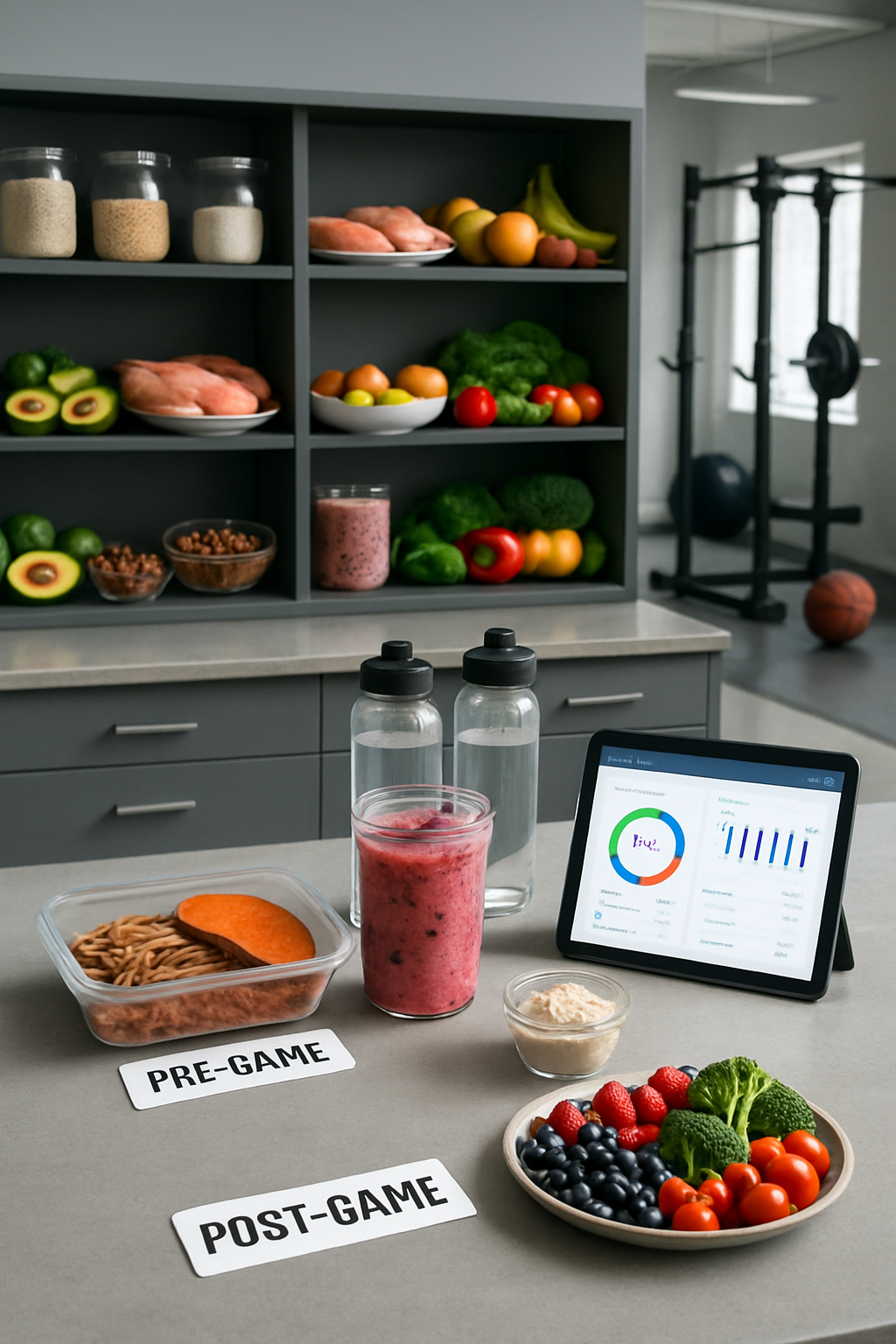
The Foundation: Core Principles of Elite Athlete Nutrition
For a professional athlete, food is functional fuel. A world-class athlete nutrition plan is a strategic tool designed to maximize energy, accelerate muscle recovery, and prevent injuries. It's built on a few core pillars:
- The Macronutrient Playbook: Carbohydrates are the primary energy source for explosive movements. Protein is the repair crew, rebuilding muscle fibers after intense activity. Healthy fats are crucial for hormone regulation, joint health, and managing inflammation.
- Hydration as a Priority: Even a minor 2% drop in hydration can significantly impair stamina, coordination, and focus. Water and electrolytes are non-negotiable for peak performance.
- Micronutrients - The Unsung Heroes: Vitamins and minerals are the support staff working behind the scenes. They facilitate energy production, bolster the immune system, and aid in every metabolic process that keeps an athlete on the court.
Wizards' Diet Strategy: Fueling for Agility and Speed
The Wizards thrive on a fast-paced, transition-heavy style. Their game demands relentless energy and agility. Their nutrition strategy is therefore built around precision timing and fast-acting fuel to support high-stamina output.
Pre-Game Meal for Sustained Energy
The focus is on complex carbohydrates consumed 2-3 hours before tip-off. Think whole-grain pasta, quinoa, or sweet potatoes. This provides a slow, sustained release of glucose, preventing a mid-game energy crash and keeping players explosive through all four quarters. This is a crucial component of nutrition for basketball players.
Post-Game Recovery and Repair
Here, timing is everything. Within the 30-60 minute “anabolic window” post-game, players need to kickstart recovery. A meal with a 3:1 carb-to-protein ratio is ideal. A fruit smoothie with whey protein or grilled chicken with a large side of rice rapidly replenishes depleted glycogen stores and initiates muscle repair.
How Smart Nutrition Tracking Helps
For a Wizards player, the SnapEat AI app would be invaluable for mastering meal timing. It helps log pre-game meals and correlates them with in-game performance data, ensuring their diet is perfectly synced for explosive speed.
76ers' Diet Strategy: Powering Strength and Physicality
The 76ers are known for a physical, inside-out game. Their strategy relies on strength, winning physical battles, and wearing down opponents. This requires a nutritional plan built to construct and maintain a powerful physique.
Higher Caloric and Protein Intake
The foundation is a higher overall calorie and protein intake to support greater muscle mass. A 76ers' power forward would have significantly higher protein for athletes targets (around 1.6-2.2g per kg of body weight) distributed throughout the day to keep their body in a constant state of muscle protein synthesis.
Focus on Nutrient Density and Joint Health
Physicality increases the risk of injury. Their diet would emphasize anti-inflammatory foods like salmon (rich in omega-3s), berries, and leafy greens. Healthy fats from avocado and nuts are crucial for joint lubrication and hormone health, vital for recovery from a physically demanding game.
How Smart Nutrition Tracking Helps
Smart nutrition tracking is key to consistency. The app answers the question, “How do athletes track their food?” with precision. It helps a 76ers player ensure they're hitting ambitious daily calorie and protein goals, not just on game days, but every single day to support their strength-based goals.
Nutrition Showdown: Agility vs. Power Compared
While both strategies fall under the umbrella of performance nutrition, they prioritize different elements. Here’s a side-by-side comparison of the two approaches:
| Metric | Washington Wizards (Agility) | Philadelphia 76ers (Power) |
|---|---|---|
| Primary Goal | Sustained energy & quick recovery | Muscle synthesis & strength maintenance |
| Key Focus | Carbohydrate timing | Total daily protein & calorie intake |
| Pre-Game Meal | Complex carbs 2-3 hours prior | Balanced meal with protein & carbs |
| Post-Game Meal | 3:1 Carb-to-Protein ratio immediately | High-protein meal within 2 hours |
| Key Foods | Quinoa, lean chicken, fruit smoothies | Salmon, steak, leafy greens, avocados |
The Real MVP: Smart Nutrition Tracking
So, which strategy is better? The answer lies not in the food itself, but in its application and personalization. A generic NBA player diet doesn't exist. This is where a tool like SnapEat AI becomes the real Most Valuable Player.
- Hyper-Personalization: A point guard and a center have vastly different metabolic needs. Smart tracking allows a team's nutritionist to create and monitor unique plans for every player.
- Data-Driven Adjustments: After an intense practice or cross-country flight, a player's needs change. Real-time data allows for immediate adjustments to their nutrition plan to combat fatigue and optimize recovery.
- Accountability and Consistency: For elite athletes with demanding schedules, a user-friendly fitness app makes logging meals simple, ensuring they stay accountable to the plan that gives them their competitive edge.
Your Game Plan: Fuel Like a Pro
The winner of this nutritional showdown isn't a team, but the strategy of precise execution. The team that best leverages smart nutrition tracking to ensure compliance and optimize for individual needs will have more energy in the fourth quarter and recover faster for the next game.
You don't have to be a professional athlete to benefit. Whether your goal is to build muscle, improve endurance, or simply have more energy, applying these principles is your first step. Start by tracking what you eat with an app like SnapEat AI, pay attention to how your body feels, and begin building a personalized plan. Fueling like a pro starts with thinking like one.
Frequently Asked Questions About Athlete Nutrition
What is the best diet for a basketball player?
The best diet is personalized. However, it generally includes a balance of complex carbohydrates for energy, lean protein for muscle repair, and healthy fats for joint health and inflammation control. Nutrient timing around practices and games is also critical.
How many calories does an NBA player eat per day?
Calorie intake varies widely based on size, position, and activity level, but many NBA players consume between 4,000 to 6,000 calories per day, and sometimes more, to fuel their high energy expenditure.
What is a good pre-game meal for basketball?
A good pre-game meal is rich in complex carbohydrates with moderate protein, consumed 2-3 hours before the game. Examples include grilled chicken with quinoa and vegetables, or whole-wheat pasta with a light tomato sauce.