


Nutrition App Showdown: SnapEat AI vs. Manual Tracking in 2026
In the big league of health and wellness, tracking your nutrition is a fundamental part of the game. It’s how you keep score and make adjustments to win. But for many, the process feels like a chore. Today, two teams are competing for your loyalty: the established veterans—the 'Giants' of manual food tracking—and a tech-savvy challenger powered by AI, like SnapEat AI.
So, which team should you draft for your personal health journey? Let's break down the matchup to help you decide who truly wins your health game.
Meet the 'Giants': The Old-School Playbook of Manual Nutrition Tracking
For decades, the field has been dominated by manual food tracking. This team's roster includes handwritten food diaries and popular apps like MyFitnessPal or Lose It!, where you manually search for ingredients, scan barcodes, and input quantities for every single thing you eat.
Strengths of Manual Tracking (The Pros)
- Pinpoint Precision: When done diligently, manual tracking offers unmatched control. You can track macronutrients (protein, carbs, fat) and micronutrients down to the gram, essential for elite athletes or those with specific medical needs.
- Massive Databases: These apps boast enormous, crowd-sourced food databases, making it possible to find almost any food item or restaurant meal.
- Educational Foundation: Manually logging forces you to learn about the caloric and nutritional content of foods, a valuable skill for building nutritional awareness.
Weaknesses of Manual Tracking (The Cons)
- The Time Sink: Let’s be honest: it’s tedious. Measuring, searching, and logging can take 15-20 minutes a day. Studies show this friction is a major reason why up to 80% of users quit within a few months.
- High Burnout Rate: The sheer effort required leads to a high dropout rate. The game is no fun if you're exhausted by halftime. This is often called 'calorie counting burnout'.
- Fosters Obsession: For some, focusing intensely on numbers can lead to an unhealthy, obsessive relationship with food, reducing meals to data points rather than enjoyable experiences and causing food anxiety.
Enter the Challenger: SnapEat AI’s Modern, AI-Powered Game Plan
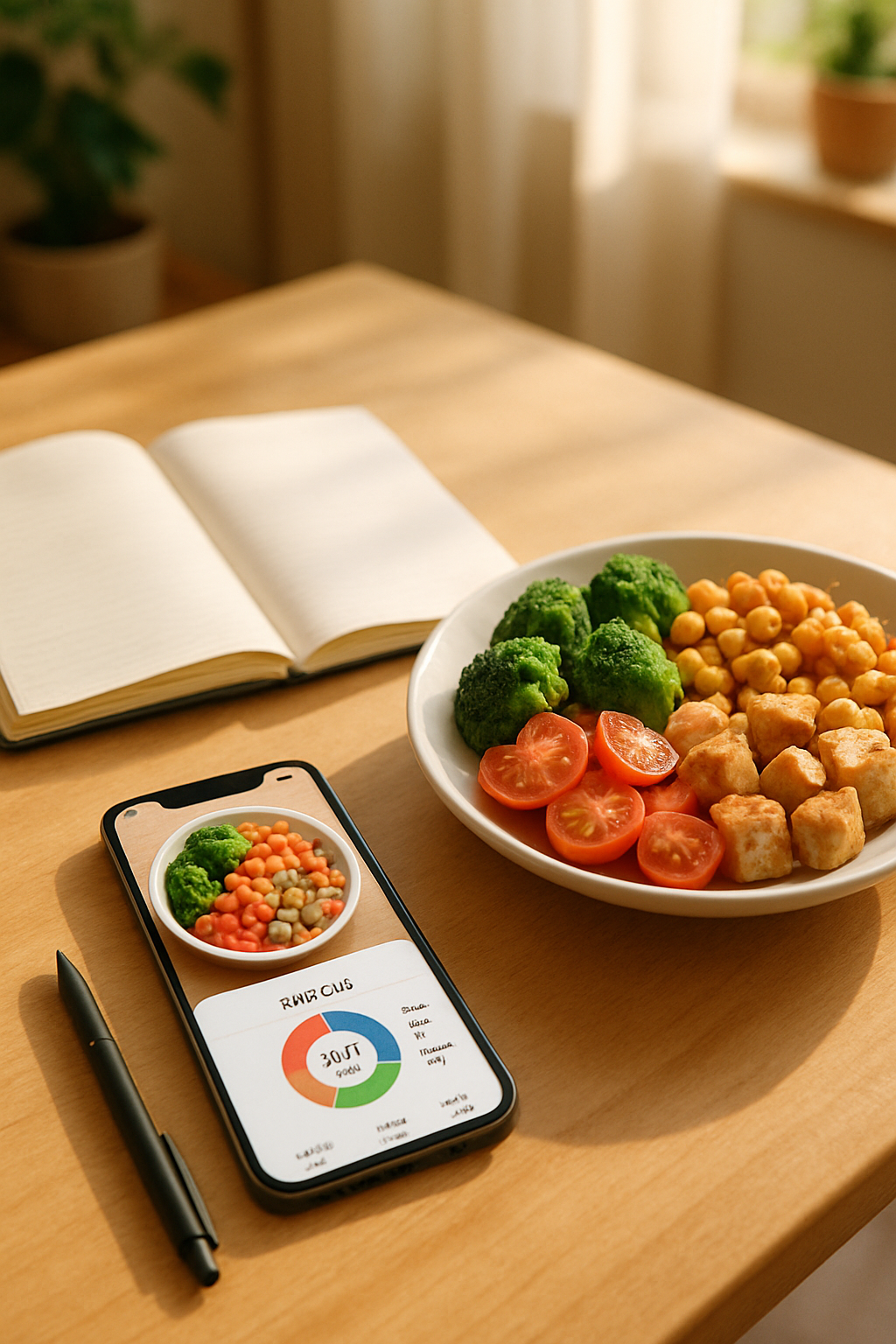
Stepping up to the plate is the AI nutrition tracker. Apps like SnapEat AI are changing the rules with a strategy built on speed, convenience, and cutting-edge technology. The game plan is simple: you snap a photo of your meal. The AI analyzes the image, identifies food items, estimates portion sizes, and logs a full nutritional breakdown in seconds.
Strengths of SnapEat AI (The Pros)
- Unmatched Speed and Convenience: What takes minutes with manual logging takes seconds with SnapEat AI. This is its grand slam feature and the easiest way to track food.
- Promotes Long-Term Consistency: Because it’s so easy, you’re far more likely to stick with it. The best nutrition tracking method is the one you use consistently, and AI makes it effortless.
- Encourages Mindful Eating: By creating a visual food diary (a photo food log), you notice patterns in your food quality, colors, and balance. It shifts focus from 'how many calories?' to 'what does my plate actually look like?'
- Reduces Mental Load: It removes the stress of obsessive number-crunching, fostering a healthier, more intuitive approach to eating and helping build a better relationship with food.
Weaknesses of SnapEat AI (The Cons)
- The Accuracy Question: Is AI food tracking accurate? While impressive, it's not a mind reader. It provides a highly educated estimate (typically 85-95% accurate) but may be less precise with hidden ingredients like cooking oils or complex sauces. It prioritizes consistency over absolute perfection.
- Emerging Technology: The technology is constantly learning and improving. While powerful, it's a different approach than the manually verified data you input yourself.
The Head-to-Head Matchup: A Tale of the Tape
| Round | Manual Tracking ('The Giants') | SnapEat AI ('The Mets') | Winner |
|---|---|---|---|
| 1. Speed & Convenience | Slow and tedious (15-20 mins/day) | Ultra-fast (seconds per meal) | SnapEat AI |
| 2. Accuracy & Precision | Highest possible, if done perfectly | High (85-95%), but an estimate | Manual Tracking (for specific needs) |
| 3. Long-Term Consistency | Low, due to high effort and burnout | High, due to effortless logging | SnapEat AI |
| 4. Psychological Impact | Can lead to obsession and anxiety | Promotes mindfulness and a healthy food relationship | SnapEat AI |
Scouting Report: Which Nutrition Tracking Team Should You Draft?
So, who makes your roster? It depends on your personal goals and lifestyle.
Draft the 'Giants' (Manual Tracking) if:
- You are an athlete or bodybuilder with highly specific macronutrient targets.
- You genuinely enjoy the process of data collection and analysis.
- You need to track micronutrients with medical-grade precision for a health condition.
Draft 'The Mets' (SnapEat AI) if:
- You are a busy professional, parent, or student who values time and convenience above all.
- You have tried and failed with manual food tracking apps in the past due to burnout.
- Your goal is overall wellness, weight management, and building mindful, sustainable eating habits.
- The idea of obsessive calorie counting stresses you out.
The All-Star Hybrid Strategy
Remember, you're the team manager. You don't have to choose just one! Use SnapEat AI for 90% of your meals to ensure daily consistency. If you have a specific, complex meal or need extra precision for a post-workout shake, you can use a manual entry feature. This gives you the best of both worlds: speed and precision when you need it.
Frequently Asked Questions (FAQ)
- 1. How accurate are AI food trackers like SnapEat AI?
- AI nutrition trackers typically achieve 85-95% accuracy, which is more than sufficient for most people's health and weight loss goals. Accuracy improves as the AI learns from more data. For best results, take clear, well-lit photos.
- 2. Is SnapEat AI a good MyFitnessPal alternative?
- Yes, it's an excellent alternative, especially for those who find MyFitnessPal too time-consuming or overwhelming. It prioritizes ease of use and long-term sustainability over granular data entry.
- 3. Can AI tracking help me build a healthier relationship with food?
- Absolutely. By shifting the focus from numbers to a visual representation of your meals, AI tracking encourages you to think about food quality and balance, which is a cornerstone of mindful eating and reduces food-related anxiety.
Conclusion: It's Your Health Game to Win
In the matchup between the 'Giants' of manual tracking and the challenger, SnapEat AI, there is no single winner for everyone. Manual tracking offers precision at the cost of time, while SnapEat AI offers incredible convenience and sustainability with powerful, data-driven estimates.
The goal of nutrition tracking isn't to be a perfect data-entry clerk. It's to gain awareness, build better habits, and feel empowered on your health journey. Choose the team that makes you want to show up and play every day. Because in the game of health, consistency is how you win.
Ready to draft your winning team? Try SnapEat AI today and experience the future of nutrition tracking.