


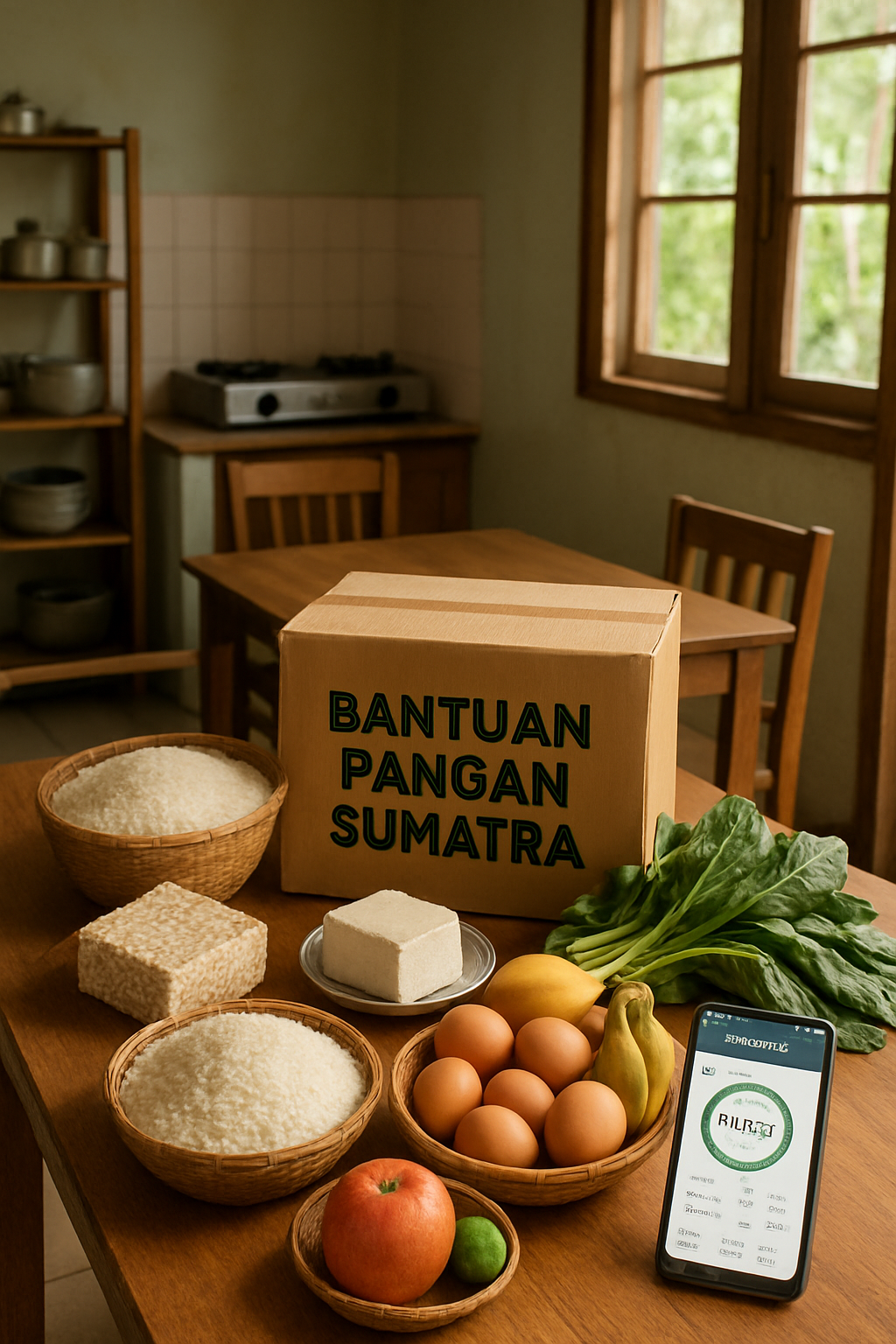
Why Nutrition is the Unseen Healer in Crisis Recovery
When we think of recovery after a crisis, we often picture rebuilding homes and infrastructure. Yet, the most critical rebuilding happens within our own bodies and minds. Backed by nutritional science, diet plays a pivotal role in this process, acting as an unseen but powerful healer.
Fueling Physical Healing and Immunity
After any physical stress or injury, the body's demand for specific nutrients skyrockets. These are the building blocks for repair:
- Protein: Essential for repairing damaged tissues and muscles. Sources like beans, lentils, eggs, and tofu are critical.
- Vitamins & Minerals: Nutrients like Vitamin C, Vitamin A, and Zinc are vital for a robust immune system to fend off infections, which are more prevalent in compromised living conditions.
A diet rich in these micronutrients acts as the body's own construction crew, working tirelessly to heal, repair, and fortify against illness.
Bolstering Mental and Emotional Resilience
The link between what we eat and how we feel—the gut-brain axis—is undeniable. Traumatic events trigger stress hormones like cortisol, and a balanced diet can help regulate this response. Prioritizing mental health nutrition isn't a luxury; it's a necessity for navigating the emotional toll of a crisis.
Key nutrients include Omega-3 fatty acids (from fish and seeds), B vitamins (in whole grains), and magnesium (in nuts and leafy greens), all known to support brain health and improve mood.
The Challenge: Navigating Nutrition Amidst Uncertainty
Making healthy choices is hard enough in normal times. During a recovery period, these obstacles multiply, leaving people feeling powerless:
- Disrupted Food Supply: Access to fresh produce and quality protein may be severely limited.
- Reliance on Aid: Relief packages, while life-saving, often consist of non-perishable foods that may lack essential micronutrients.
- Emotional Eating: High stress leads many to seek comfort in processed, high-sugar foods.
- Lack of Information: With unfamiliar local foods or pre-packaged meals, it's nearly impossible to gauge nutritional value.
SnapEat AI: Your Pocket Nutritionist for Health Resilience
Empowerment begins with information. SnapEat AI is a cutting-edge app that provides instant nutritional analysis from a simple photo of your food. It demystifies nutrition and puts knowledge directly into the hands of those who need it most.
How It Works in 3 Simple Steps
- Snap a Photo: Take a picture of your meal, whether it's from a local market or a food aid package.
- AI Analysis: The AI instantly identifies the food items and their portion sizes.
- Get Instant Insights: Receive a clear breakdown of calories, protein, carbs, fats, and key micronutrients.
4 Practical Ways AI Empowers Healthy Choices in Recovery
This technology makes a tangible difference on the ground by turning uncertainty into informed action.
- Making the Most of Available Food: A family receiving a food aid package can snap a photo to understand its nutritional profile. If a meal is mostly carbs, the app's analysis prompts them to add available protein like tempeh or beans, creating a more balanced, restorative meal.
- Navigating Local Markets Safely: As markets reopen, the app helps identify the most nutritious local options. Snapping an unfamiliar fruit or vegetable provides an instant overview of its benefits, encouraging dietary diversity.
- Practicing Mindful Portion Control: Stress can disrupt eating patterns. The app’s portion size estimation helps individuals maintain a healthy energy balance, crucial for sustained physical and mental stamina during rebuilding efforts.
- Building Long-Term Nutritional Literacy: Beyond immediate use, SnapEat AI is an educational tool. Each snap teaches users about their food, fostering a legacy of health awareness that strengthens a community for generations.
Frequently Asked Questions (FAQ)
How can an app help with nutrition during a crisis?
An AI nutrition app like SnapEat provides immediate, data-driven insights into any food available. It helps users balance meals, identify nutrient gaps in aid packages, and make the healthiest choice possible with limited resources, empowering them to manage their health proactively.
What are the most important nutrients for recovery?
For physical recovery, prioritize protein (for tissue repair), Vitamin C (for immunity), and Zinc (for healing). For mental resilience, focus on Omega-3s, B Vitamins, and Magnesium to help regulate stress and mood.
What app tells you nutrition from a picture?
SnapEat is a leading AI food scanner app that analyzes meals from a photo. It provides a detailed breakdown of calories, macronutrients (protein, carbs, fat), and micronutrients, making it a powerful tool for anyone looking to understand their food better.
A Healthier Tomorrow, Built Together
The path to recovery, whether for an individual or a community like Sumatra, is built on a foundation of health. While our thoughts and aid provide immediate comfort, empowering people to take control of their nutrition provides the enduring strength needed for the future. Tools like SnapEat AI bridge the gap between uncertainty and informed action, proving how technology can serve a profound good. By making the science of nutrition simple, we help people build resilience from within, ready to create a brighter, stronger tomorrow.