


The Aftermath: When Healing Is More Than Mending Bones
Surviving a traumatic event isn't the end of the ordeal; it's the beginning of a complex healing journey. The physical injuries—fractures, soft tissue damage—are visible, but the invisible wounds are just as profound. This story, inspired by the resilience of trauma survivors, explores that path. Post-traumatic stress (PTSD) and anxiety create a state of constant high alert, flooding the body with the stress hormone cortisol.
This physiological response triggers systemic inflammation, disrupts sleep, and compromises the immune system. Appetite becomes erratic, making self-care feel like a monumental task. In this state of physical and mental overwhelm, a structured plan for a healthy recovery is essential, but the energy to create one is often missing.
Nutrition for Trauma Recovery: The Science of Healing
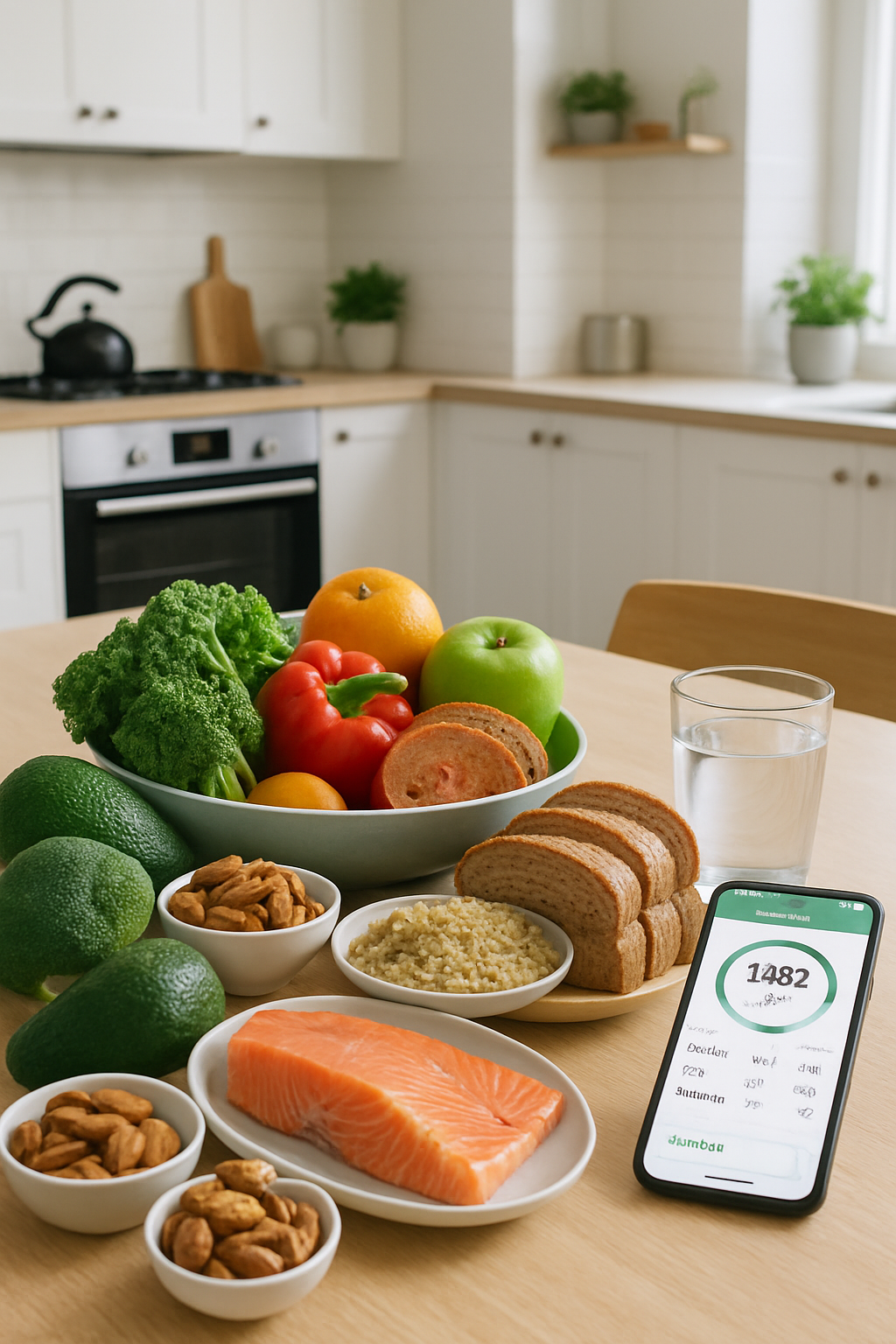
A consultation with nutritionists and physical therapists often reveals a crucial truth: food is the raw material for repair. A strategic nutritional approach is a non-negotiable part of any recovery plan. The science is clear—for a body in repair, specific nutrients are critical:
- Protein for Tissue Repair: As the fundamental building block for repairing damaged tissue and rebuilding muscle, adequate protein intake is paramount.
- Vitamins & Minerals for Immunity: Vitamin C and Zinc are vital for collagen synthesis and a robust immune response, while Calcium and Vitamin D are crucial for mending bones.
- Anti-Inflammatory Foods for Stress Reduction: Foods rich in Omega-3s (like salmon) and antioxidants (found in berries) actively combat the chronic inflammation caused by stress and injury.
Beyond the physical, we must consider the gut-brain axis. The gut's health is directly linked to mental wellness. Nourishing it helps regulate mood and build mental resilience, but tracking these nutrients manually can be a significant barrier.
The Challenge: Why Manual Nutrition Tracking Fails During Recovery
“Just eat better” is simple advice, but it's hard to follow when cognitive fog and low energy are constant companions. Traditional food journals or apps that require weighing food, searching databases, and manual data entry often add more stress to an already overwhelming situation. This friction makes consistent tracking nearly impossible when it's needed most. A simpler, more intuitive solution is required for successful wellness tracking.
The Solution: How SnapEat AI Streamlines the Path to Wellness
This is where SnapEat AI changes the game. As an AI nutrition coach in your pocket, it eliminates the friction of traditional tracking with a revolutionary approach: just snap a picture of your meal, and the AI does the rest. This was the breakthrough needed for a truly healthy recovery.
How SnapEat AI Empowers Healing:
- Effortless Tracking with a Snap: The “snap to track” feature is a lifesaver. A quick photo logs your meal, making tracking consistent even on the most difficult days. This is the easy food tracking app experience survivors need.
- Detailed Nutritional Insights: SnapEat AI goes beyond calories, providing a detailed breakdown of macronutrients (protein, carbs, fat) and crucial micronutrients. This makes it easy to see if you're hitting your protein goal for tissue repair or getting enough anti-inflammatory fats.
- Holistic Wellness View: Recovery is multifaceted. The app integrates tracking for water intake, sleep quality, and mood, creating a comprehensive health dashboard. This helps connect the dots between nutrition, rest, and your mental state.
- Personalized, Actionable Feedback: The app acts as a supportive partner, providing gentle nudges and motivating insights. A simple alert like, “You've hit your protein goal today!” provides a tangible sense of accomplishment in a journey that often feels intangible.
Your Step-by-Step Guide to Smarter Recovery Tracking
Ready to leverage technology for your healing? Here’s how to start using an AI nutrition coach to support your recovery:
- Set Your Healing Goals: Work with your healthcare provider to define key nutritional targets, such as daily protein intake or specific micronutrients for bone health.
- Snap Every Meal: Make it a habit to take a photo of your food before you eat. Don't worry about perfection; consistency is the goal. The AI learns and adapts with you.
- Review Your Daily Insights: At the end of each day, take a moment to review your dashboard. Notice the connections: did better sleep correlate with a better mood? Did hitting your water goal improve your energy?
- Adjust and Adapt: Use the feedback to make small, sustainable changes. The goal isn't a restrictive diet, but a nourishing lifestyle that fuels your body's incredible capacity to heal.
Frequently Asked Questions About Nutrition and Recovery
What is the easiest way to track nutrition during recovery?
The easiest way is to use a tool that minimizes manual effort. An AI-powered app like SnapEat AI, which allows you to track meals by taking a photo, eliminates the stress of data entry, making it ideal for periods of low energy or cognitive fog.
How does an AI nutrition coach work?
An AI nutrition coach uses artificial intelligence to analyze your food intake (often from photos), identify ingredients, and calculate nutritional information automatically. It then provides personalized feedback and insights to help you meet your health goals without the tedious work of manual logging.
Can diet really help with PTSD and stress?
Yes, nutrition plays a significant role. An anti-inflammatory diet rich in Omega-3s, antioxidants, and fiber can help reduce systemic inflammation caused by chronic stress. Supporting the gut-brain axis with nutrient-dense foods can also improve mood regulation and build mental resilience.
Conclusion: From Recovery to Lasting Wellness with an AI Ally
The journey from trauma to full health is an active process, one fueled by intention and the right tools. Nutrition forms the foundation, providing the physical and mental resources needed to heal. In this story, SnapEat AI served as the facilitator—a silent partner that simplified a complex process and transformed a daunting task into an empowering daily ritual.
Whether you are navigating a trauma recovery, managing a chronic condition, or simply striving for better health, your nutrition journey matters. Taking control of what’s on your plate is a powerful first step. With innovative allies like an AI nutrition coach, that step has never been easier to take.
Ready to take control of your healing journey? Download SnapEat AI today and discover the power of effortless wellness tracking in your pocket.