


The Pillars of Peak Athletic Nutrition
Before optimizing, we must understand the fundamentals. An athlete's body is a high-performance engine requiring premium fuel. Peak nutrition isn't about restriction; it's about strategic fueling based on sports science.
The Core Macronutrients: Fuel for Power and Endurance
- Complex Carbohydrates: Your body's primary energy source. For athletes, complex carbs like oats, brown rice, and sweet potatoes provide the sustained fuel needed for grueling training sessions and competitions. They are essential for keeping your glycogen stores full.
- Lean Protein: The fundamental building block for muscle repair and growth. After intense physical activity, consuming adequate protein from sources like chicken, fish, eggs, and legumes is critical for recovery and building strength.
- Healthy Fats: Crucial for hormone production, vitamin absorption, and long-duration energy. Healthy fats from avocados, nuts, seeds, and olive oil are a dense fuel source vital for endurance athletes.
Micronutrients and Hydration: The Unsung Heroes
Vitamins and minerals (micronutrients) are the catalysts for energy production and recovery. Iron, for example, helps carry oxygen to your muscles, while electrolytes like potassium are vital for muscle function. Equally important is hydration. Even a 2% drop in hydration can significantly impair strength, speed, and focus, making water the non-negotiable foundation of any athletic diet plan.
The Athlete's Dilemma: Why Manual Nutrition Tracking Fails
Knowing what to eat is one thing. Executing with precision is another. How can you be sure your post-workout meal had the 30g of protein needed to maximize muscle synthesis? This is the challenge where traditional methods fall short.
Manual food logging is time-consuming, inaccurate, and mentally draining. The administrative burden of estimating portions and searching databases is a major barrier for athletes who need to focus on training. "Good enough" isn't good enough for peak performance.
Manual Tracking vs. SnapEat AI: A Quick Comparison
| Feature | Manual Logging | SnapEat AI |
|---|---|---|
| Speed | Slow, tedious data entry | Instant, via one photo |
| Accuracy | Prone to estimation errors | AI-powered portion and food recognition |
| Convenience | Low; requires constant effort | High; integrates into your daily routine |
| Insights | Raw data only | Actionable macro/micro breakdowns |
Enter SnapEat AI: Your AI Nutritionist in Your Pocket
This is where SnapEat AI, an AI nutrition tracker for athletes, becomes a game-changer. It bridges the gap between elite nutritional guidance and everyday reality, eliminating the guesswork and manual labor.
- From Picture to Precision Data: Forget typing. Simply snap a picture of your meal. SnapEat AI's advanced image recognition analyzes food items and portion sizes, providing a detailed breakdown of your meal's macronutrients (protein, carbs, fat) and key micronutrients in seconds.
- Go Beyond Tracking with Actionable Insights: SnapEat AI empowers you with a real-time feedback loop essential for performance. Instantly see if you've hit your carb target for fuel or your protein goal for recovery. This is how you truly improve athletic performance with diet.
Ready to trade guesswork for precision? Download SnapEat AI and start fueling like a professional.
A Day in the Life: Building Your Potential with SnapEat AI
Let's make this practical. Here’s how you can use SnapEat AI to eat like a pro athlete on a heavy training day:
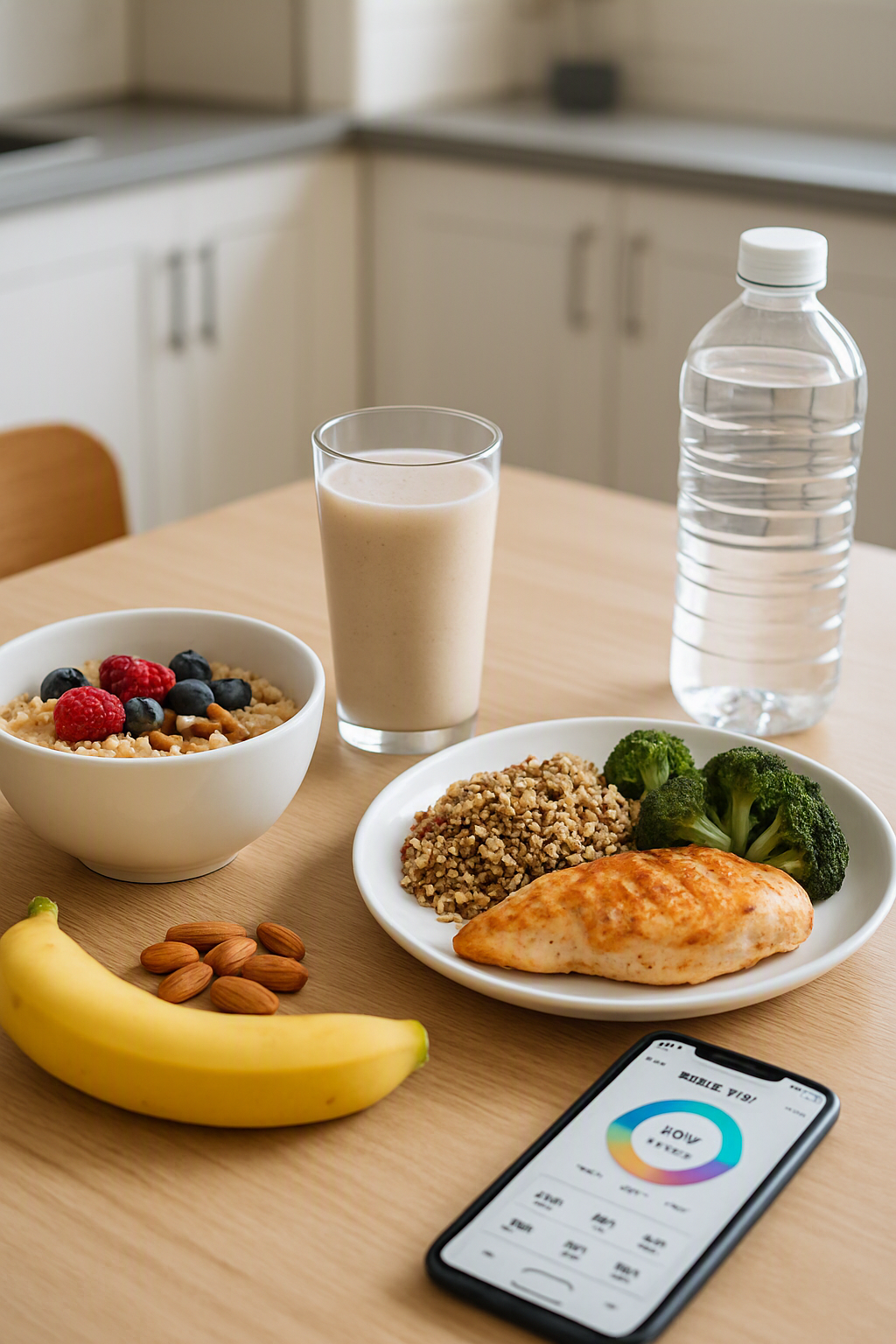
- Morning Fuel (Breakfast): Snap a picture of your oatmeal with berries, nuts, and protein powder. SnapEat AI instantly confirms you've started with a perfect balance of complex carbs for sustained energy and protein for muscle maintenance.
- Pre-Workout Snack: An hour before training, you eat a banana. Snap it. The app verifies you've consumed easily digestible carbs for immediate energy without feeling weighed down.
- Post-Workout Recovery Meal: You refuel with grilled chicken, quinoa, and broccoli. A final snap confirms you've hit your crucial post-workout protein and carb targets to kickstart muscle repair and replenish glycogen stores.
Throughout the day, you operate with data-driven precision, making small adjustments to ensure your body has exactly what it needs to perform at its peak.
Frequently Asked Questions (FAQ)
How does an AI nutrition tracker help athletes more than a standard app?
An AI nutrition tracker like SnapEat AI uses computer vision to automate logging, which is faster and more accurate than manual entry. It's specifically designed to provide the detailed macronutrient and micronutrient data that athletes need to optimize performance and recovery, moving beyond simple calorie counting.
What is the most important meal for an athlete?
While all meals are important, sports nutritionists emphasize the post-workout meal (or recovery window). Consuming a mix of protein and carbohydrates within 30-60 minutes after training is critical for replenishing energy stores and initiating muscle repair, maximizing the benefits of your workout.
Can I use SnapEat AI to plan a diet like Luis Garcia Jr.'s?
Yes. While an athlete's exact diet is personalized, you can use SnapEat AI to implement the core principles they follow. By tracking your intake, you can ensure you're consistently hitting the right targets for carbohydrates, protein, and other nutrients essential for high-level athletic performance, effectively building your own 'Luis Garcia Jr. potential' diet.
Conclusion: Stop Guessing, Start Performing
Unlocking your inner "Luis Garcia Jr. potential" isn’t about a magic pill; it’s about consistent, intelligent work. Your commitment in the gym deserves to be supported by an equally elite approach to nutrition. The days of tedious food logging and guesswork are over. With SnapEat AI, the power of peak nutrition is in your hands, allowing you to fuel your body with precision, recover more effectively, and see just how far your dedication can take you.
Stop guessing and start optimizing. Download SnapEat AI today and take the first step towards unlocking your true athletic potential.