


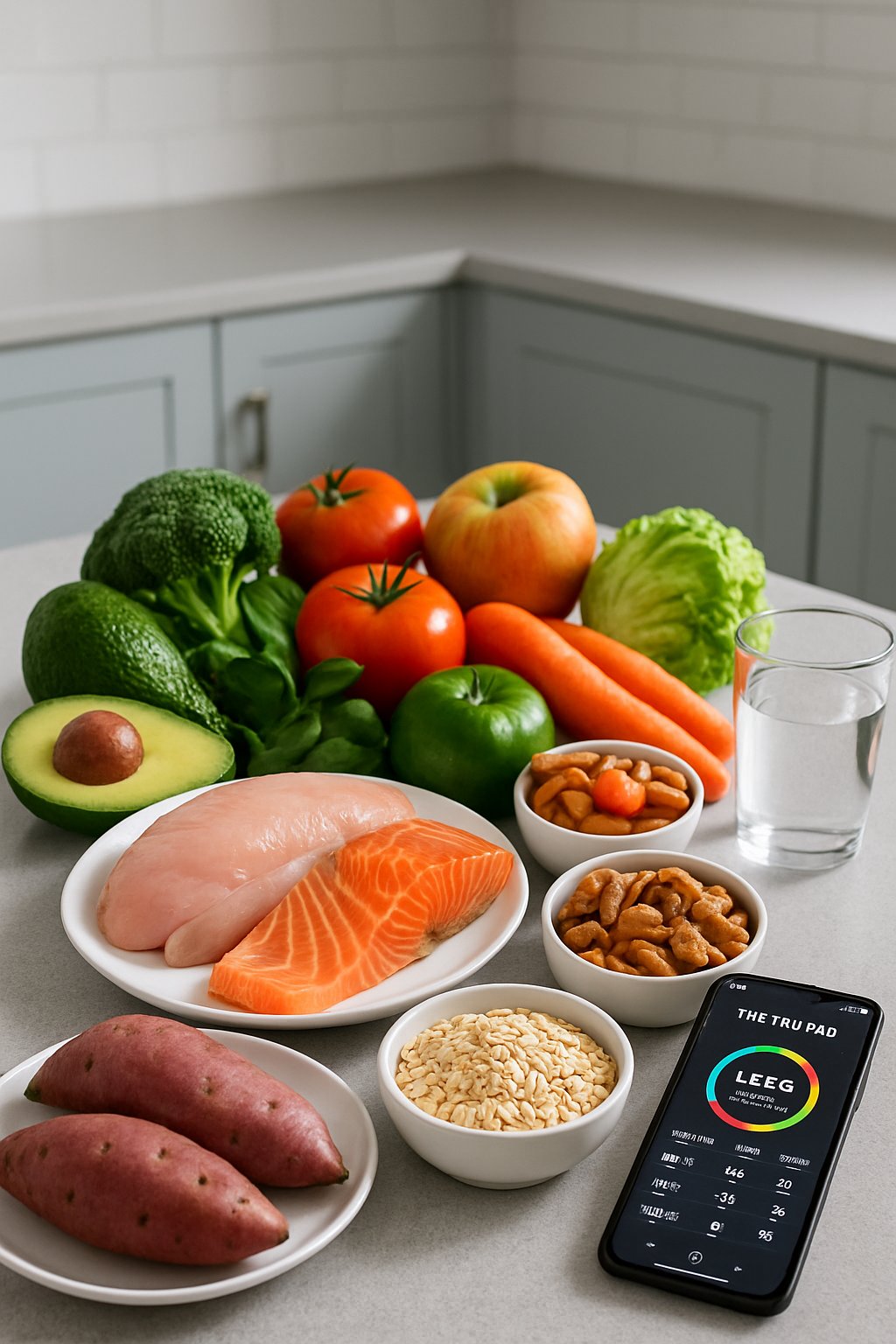
The 3 Pillars of Peak Performance Nutrition
To perform like an elite athlete, you need to fuel like one. This goes far beyond simply counting calories; it’s about understanding the quality, quantity, and timing of everything you consume. True sports nutrition rests on three core pillars.
Pillar 1: Macronutrients - The Fuel for Your Engine
Your body is a high-performance engine, and macronutrients—protein, carbohydrates, and fats—are its essential fuels. Getting the balance right is fundamental for any athlete diet plan.
- Protein: The building block for muscle repair and growth. After a grueling workout, protein is essential for recovery, helping you come back stronger and reduce soreness. Sources include lean meats, fish, eggs, Greek yogurt, and legumes.
- Carbohydrates: The main source of energy for high-intensity efforts. Smart carbohydrate intake provides the sustained power needed for training and competition. Focus on complex carbs like oats, quinoa, sweet potatoes, and brown rice.
- Fats: Crucial for hormone production, vitamin absorption, and long-duration energy. Healthy fats from sources like avocados, nuts, seeds, and olive oil are a cornerstone of an anti-inflammatory diet.
Pillar 2: Micronutrients - The Spark Plugs for Performance
If macros are the fuel, vitamins and minerals are the spark plugs. They are involved in thousands of bodily processes, from energy metabolism (B-vitamins) and oxygen transport (iron) to bone health (calcium, Vitamin D) and reducing inflammation. A deficiency in key micronutrients can lead to fatigue, poor recovery, and an increased risk of injury.
Pillar 3: Hydration - The Overlooked Performance Multiplier
Water is the most critical and often neglected component of nutrition for peak performance. Studies show that even a 2% drop in hydration can significantly impair performance, reduce focus, and slow reaction times. For an athlete, proper hydration isn't a suggestion; it's a non-negotiable part of their toolkit.
Fueling Like a Champion: An Elite Athlete's Diet Blueprint
An athlete at Aaron Pico's level doesn't leave nutrition to chance. Their diet is a calculated strategy designed for one purpose: peak performance. This involves not just what they eat, but when.
The Foundation: Prioritizing Whole, Nutrient-Dense Foods
The core of any elite diet is built on whole foods. This means minimizing processed items and focusing on:
- Lean Proteins: Chicken breast, turkey, fish, eggs, tofu.
- Complex Carbohydrates: Oats, quinoa, sweet potatoes, brown rice, whole-grain bread.
- Healthy Fats: Avocado, nuts, seeds, olive oil.
- Fruits & Vegetables: A wide variety of colors to ensure a broad spectrum of micronutrients.
The Strategy: Strategic Nutrient Timing for Energy & Recovery
Nutrient timing can be a game-changer for maximizing your training adaptations. The two most critical windows are:
- Pre-Workout: Consuming easily digestible carbohydrates and a small amount of protein 60-90 minutes before training provides the immediate energy needed to perform at your best.
- Post-Workout: A combination of fast-acting protein and carbohydrates within the "anabolic window" (30-90 minutes post-exercise) kickstarts the muscle repair process and replenishes depleted glycogen stores.
The Modern Athlete's Dilemma: Why Manual Nutrition Tracking Fails
Understanding these principles is one thing; implementing them consistently is the real challenge. For years, athletes have relied on manual food logs and calorie-counting apps. The problem? It’s tedious, time-consuming, and often inaccurate. You guesstimate portion sizes, struggle to find correct entries in massive databases, and spend more time typing than focusing on your training. This frustration leads to inconsistency, and without consistent data, you're just guessing.
The Solution: Precision Nutrition with SnapEat AI
This is where technology bridges the gap. SnapEat AI is the best nutrition app for athletes who value their time and demand accuracy. It’s the secret weapon for unlocking your true performance potential.
Effortless Tracking: Snap a Photo, Get Instant Analysis
Forget manual entry. With SnapEat AI, you simply take a picture of your meal. Our advanced AI nutrition tracker analyzes the image and automatically logs the food, breaking it down into calories, macros, and key micronutrients. This removes the single biggest barrier to success: the effort of tracking.
Beyond Calories: Deep Dive into Performance Data
Peak performance nutrition is more than a numbers game. SnapEat AI provides a detailed dashboard of your intake. Are you getting enough protein for recovery? Are your carbohydrate levels optimized for your training load? The app provides the actionable insights you need to fine-tune your diet with scientific precision.
Build Consistency: The Real Key to a Winning Habit
Because SnapEat AI is so simple, it helps you build the habit of consistent tracking. This creates a powerful feedback loop, allowing you to see patterns, understand how different foods affect your energy and recovery, and make adjustments to continuously improve.
Your 3-Step Action Plan to Fuel for Peak Performance
Ready to stop guessing and start performing? Follow these three simple steps:
- Define Your Goal: Do you want better endurance, increased strength, or faster recovery? A clear goal will guide your nutritional strategy.
- Download SnapEat AI and Start Tracking: Commit to tracking every meal for one week. Just snap a photo—that’s it. Build the habit without the hassle.
- Analyze and Adjust: At the end of the week, review your data in the app. Compare your macro splits to your energy levels. Use the insights to make one or two small, sustainable changes for the week ahead.
Frequently Asked Questions (FAQ) about Performance Nutrition
What is the best macro split for an athlete?
It varies based on sport and goal, but a common starting point for strength and power athletes is 40% carbohydrates, 30% protein, and 30% fat. Endurance athletes may need a higher percentage of carbs. SnapEat AI helps you track your current split so you can adjust it towards your goal.
Can I build muscle without tracking my food?
While possible, it's inefficient. Tracking ensures you are in a slight caloric surplus and consuming adequate protein (around 1.6-2.2g per kg of body weight) needed for muscle protein synthesis. Without tracking, you are leaving results to chance.
How is SnapEat AI different from MyFitnessPal?
The key difference is ease and accuracy. SnapEat AI uses computer vision to log your meal from a photo, eliminating manual searching and entry. This saves significant time and reduces the human error common with database-driven apps.
Is AI nutrition tracking accurate?
Yes. Advanced AI models are trained on vast datasets of food items to accurately identify ingredients and estimate portion sizes from an image. While no method is 100% perfect, photo-based AI tracking is often more consistent and less prone to user error than manual logging.
Conclusion: Stop Guessing, Start Performing
The dedication of athletes like Aaron Pico is inspirational. While you may not be stepping into a cage, the principles that drive their success are now accessible to you. Elite nutrition is no longer a secret. With a clear strategy and a smart tool like SnapEat AI, you have everything you need to fuel your body for peak performance. Download SnapEat AI today and unlock the athlete within you.