


Why Precision Nutrition is the Cornerstone of Peak Performance
An elite athlete's body is a high-performance machine requiring premium fuel. Only thinking about calories is like putting generic gas in a Formula 1 car—it won’t deliver championship results. True peak performance nutrition is about precision, timing, and quality.
The Unseen Trinity of Performance
An effective sports nutrition strategy supports three pillars that separate the good from the great:
- Fueling for Output: Consuming the right blend of macronutrients before training is essential to maximize energy and power. Complex carbohydrates provide sustained fuel, preventing mid-workout slumps.
- Accelerated Recovery: This is where athletes like Jaelan Phillips gain their edge. Replenishing energy stores (glycogen) and providing protein for muscle repair immediately after training drastically reduces downtime and prepares the body for the next session.
- Proactive Injury Prevention: You can't perform from the sidelines. A diet rich in micronutrients, healthy fats, and quality protein strengthens bones, reduces inflammation, and supports connective tissues, making the body more resilient to the stresses of intense training.
The Athlete's Edge: Beyond Just Macros
Timing is everything. Consuming fast-digesting carbs and protein immediately post-workout can dramatically speed up recovery. Furthermore, the specific types of fats (like Omega-3s for inflammation), vitamins, and minerals you consume can mean the difference between hitting a plateau and smashing a personal record. This level of detail is what smart nutrition tracking is designed to manage.
The Tracking Revolution: From Tedious Logs to AI-Powered Simplicity
We all know the struggle of traditional food logging. Trying to estimate the portion size of chicken, endlessly scrolling a database for the right brand of yogurt, and spending 15 minutes logging a single meal. It’s no wonder most people abandon their nutrition goals.
The Old Way vs. The New Way
- The Old Way (Manual Logging): This method is notoriously prone to human error, underestimation of portion sizes, and is incredibly time-consuming. This friction is the number one reason people fail to consistently track their nutrition.
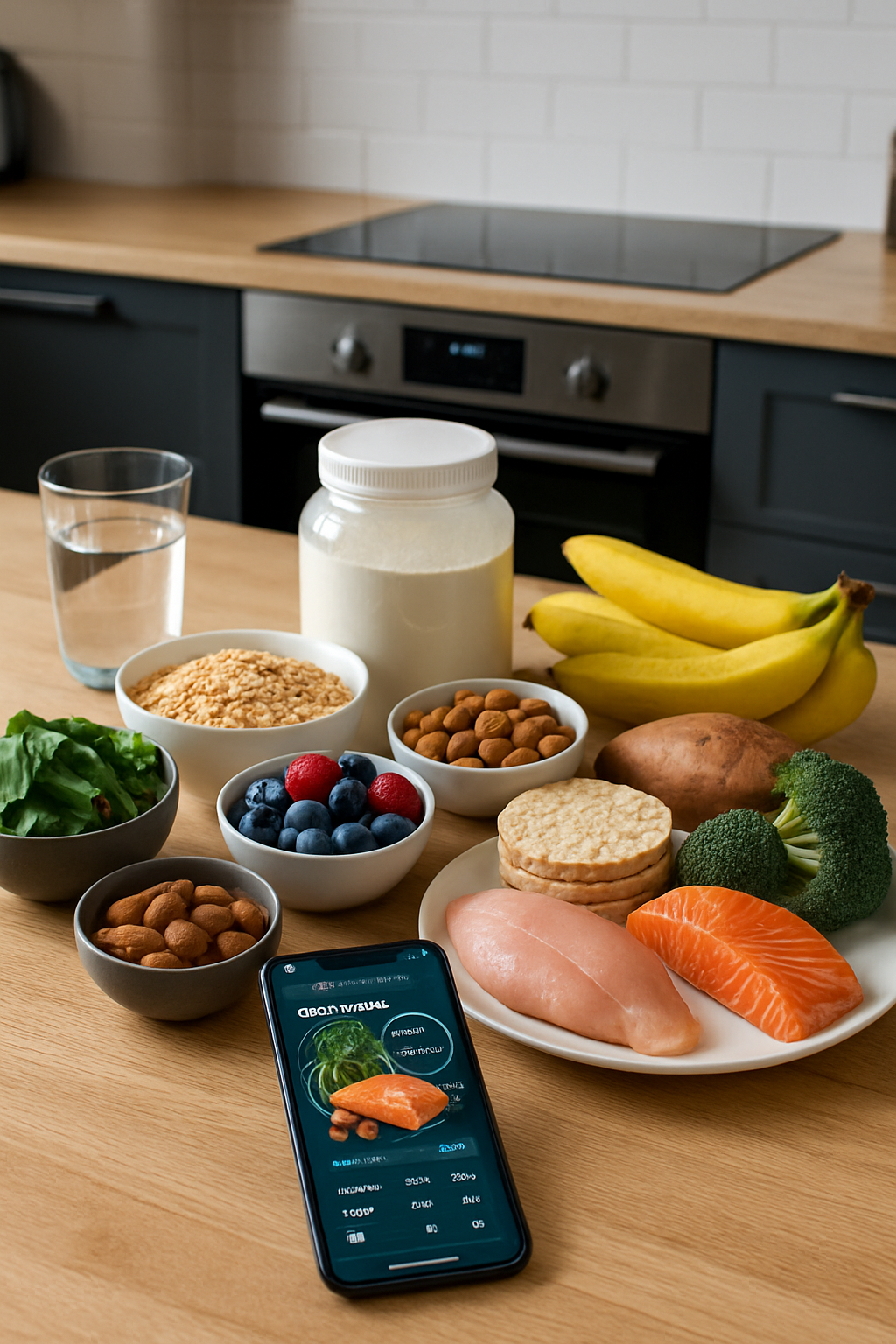
- The New Way (SnapEat AI): Imagine this: you prepare your post-workout meal, take a quick photo with your phone, and the app does the rest. This is the power of an AI nutrition tracker app. SnapEat AI uses advanced food recognition to identify every item on your plate, estimate portion sizes with high accuracy, and instantly log the full nutritional breakdown—calories, protein, carbs, fats, and even key micronutrients.
The benefit is clear: you get unparalleled accuracy and deep insights in seconds, removing the friction that causes failure. This consistency is the key to building a sports nutrition plan that actually delivers results.
How to Use SnapEat AI for Peak Performance: A 4-Step Guide
Ready to put this into practice? Here’s a practical guide on how to use a tool like SnapEat AI to emulate an elite nutrition strategy and fuel your body for success.
Step 1: Define Your Performance Goals
Before you track a single calorie, know your "why." Are you aiming to build 5 lbs of lean muscle? Shave 30 seconds off your 5k time? Or simply have more energy for your workouts? A clear, specific goal is crucial. In SnapEat AI, you can set your target macros (protein, carbs, fat) to align directly with these performance objectives.
Step 2: Snap, Analyze, and Understand Your Baseline
For the first week, don't change a thing. Eat normally and use the app to snap and track every meal and snack. This provides an honest, data-driven look at your current habits. You might be shocked to find you’re under-eating protein for recovery or that your pre-workout snack is a sugar bomb causing a crash. This baseline is your non-negotiable starting point.
Step 3: Optimize Pre- & Post-Workout Nutrition
This is where you start making strategic, data-informed changes. Focus on the most critical windows for performance:
- Pre-Workout (1-2 hours before): Snap your meal. Is it providing enough complex carbs for sustained energy, or is it too heavy, slowing you down? Use the app's analysis to ensure you're getting what you need.
- Post-Workout (within 60 minutes): This is the golden window for recovery. Snap your meal and instantly check the data. Are you hitting your protein target (typically 20-40g) to kickstart muscle protein synthesis and repair?
Step 4: Review, Refine, and Repeat
At the end of each week, review your SnapEat AI reports. How did your nutrition align with your training? On days you felt powerful, what did you eat? On days you felt sluggish, what was missing? Use this powerful feedback loop of hard data and personal feeling to continuously refine your approach. This is exactly what a professional nutritionist does, but now the power is in your hands.
A Day in the Life: Sample Athlete Meal Plan
While a true Jaelan Phillips diet would be hyper-personalized, here’s what a performance-focused day could look like, optimized for fuel and recovery:
- Breakfast (7 AM): Oatmeal with a scoop of protein powder, berries, and a handful of almonds. (Purpose: Sustained energy from complex carbs, muscle maintenance from protein, and anti-inflammatory healthy fats).
- Pre-Workout Snack (12 PM): A banana and a rice cake with peanut butter. (Purpose: Easily digestible carbs for quick fuel before a 1 PM workout without causing digestive distress).
- Post-Workout Meal (2:30 PM): Grilled chicken breast, a large sweet potato, and a side of broccoli. (Purpose: A perfect 3:1 carb-to-protein ratio. Lean protein for muscle repair and complex carbs to replenish depleted glycogen stores).
- Dinner (7 PM): Baked salmon, quinoa, and a large mixed green salad with olive oil dressing. (Purpose: Rich in anti-inflammatory omega-3s to aid recovery, plus quality protein and fiber for overnight repair and digestive health).
- Hydration: Consistently sipping water throughout the day, aiming for 3-4 liters, to ensure optimal cellular function and nutrient transport.
Frequently Asked Questions (FAQ) about Smart Nutrition Tracking
Is AI nutrition tracking accurate?
Yes, modern AI food trackers like SnapEat AI use vast databases and advanced image recognition to achieve a high degree of accuracy, often surpassing manual entry by correctly identifying foods and estimating portion sizes more reliably.
How is this better than traditional calorie counting apps?
The primary advantage is speed and friction removal. Instead of spending 15-20 minutes per day manually searching and logging food, you simply take a picture. This makes consistency effortless, which is the most important factor for long-term success.
Can I use SnapEat AI for weight loss too?
Absolutely. While this guide focuses on performance, the principles of accurate tracking are universal. You can set your goals for a caloric deficit and use the app to ensure you're hitting your targets for weight loss while preserving muscle mass by keeping protein intake high.
Conclusion: Stop Guessing, Start Performing
Peak performance isn't a secret reserved for elite athletes. It's a formula: hard work + smart recovery + precision nutrition. While Jaelan Phillips has a team to dial in his diet, smart nutrition tracking tools like SnapEat AI put a virtual nutritionist in your pocket.
By removing the guesswork and making accurate tracking effortless, you can finally build the consistency needed to fuel your body correctly. You can analyze your habits, optimize your meal timing, and make data-driven decisions that translate directly into better performance in the gym, on the field, or on the track.
Stop guessing what your body needs. It’s time to take control, track smarter, and unlock the peak performer within you. Download SnapEat AI today.