


What is Shigella Infection? Understanding the Enemy
Shigella is a family of bacteria that causes an infection called shigellosis, a common and highly contagious form of dysentery. According to health authorities like the CDC, it's a significant cause of foodborne illness worldwide. Understanding how it spreads is the first step in protecting yourself.
How is Shigella Transmitted?
Shigella spreads when tiny amounts of fecal matter from an infected person contaminate food, water, or surfaces. Transmission often occurs through:
- Contaminated Food: When infected food handlers don't wash their hands properly after using the restroom.
- Contaminated Water: Eating produce grown with contaminated water or swallowing water from unclean pools or lakes.
- Person-to-Person: Direct contact with an infected person.
Symptoms of Shigella Infection
The symptoms of a Shigella infection typically appear 1-2 days after exposure. Be on the lookout for:
- Watery or bloody diarrhea
- Fever and chills
- Severe abdominal pain and stomach cramps
- Nausea and the persistent feeling of needing to use the restroom
Prevention is Key: Your First Line of Defense Against Shigella
The best way to fight Shigella is to prevent it from ever happening. This starts with diligent food safety and hygiene. Follow these four crucial steps, often called the 'Clean, Separate, Cook, Chill' method.
- Clean: Wash your hands with soap and water for at least 20 seconds before preparing or eating food. Thoroughly wash all fruits and vegetables under running water.
- Separate: Use separate cutting boards and utensils for raw meat, poultry, and seafood to avoid cross-contamination with ready-to-eat foods like salads.
- Cook: Ensure food is cooked to the proper internal temperature to kill harmful bacteria. Use a food thermometer for accuracy.
- Chill: Refrigerate perishable foods within two hours to slow the growth of bacteria.
Be extra cautious with high-risk foods, such as pre-made salads, unpeeled fruits, and any food where hygiene standards are uncertain.
Introducing SnapEat AI: Your Personal Health Detective
In our busy lives, remembering everything we eat is nearly impossible, especially when you start to feel unwell. This is where technology provides a solution. SnapEat AI is a revolutionary health tracking app that acts as your personal food and symptom journal.
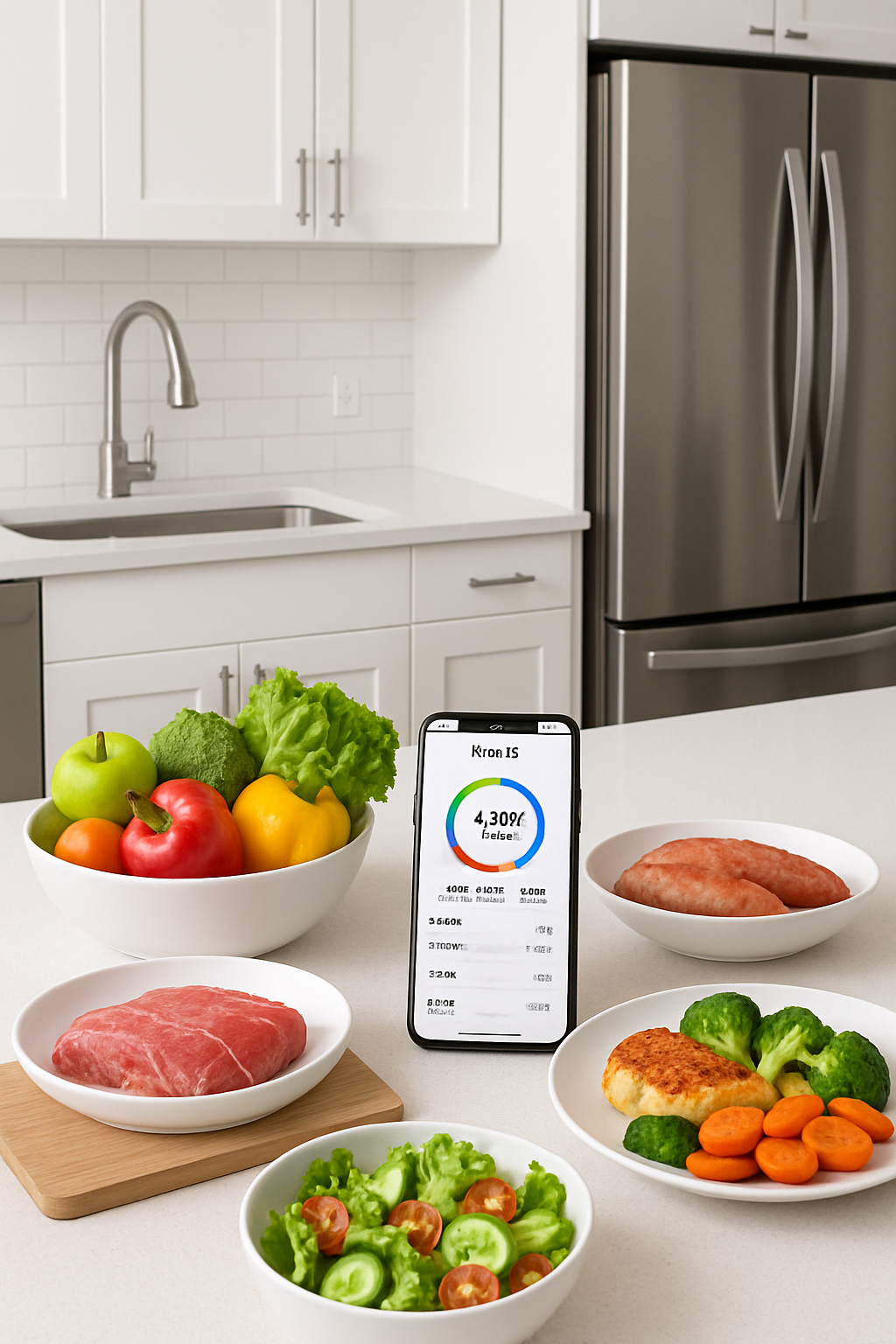
Its function is simple but powerful: snap a photo of your meal, and the AI analyzes the image to log the food items and estimate nutrition. You can then add notes and, crucially, log any physical symptoms you experience. This turns the tedious chore of keeping a nutrition log or symptom diary into a fast, visual, and insightful process.
How SnapEat AI Empowers You to Combat Shigella
How can a simple app help you fight a bacterial infection? The power is in the data—your data. Using an app like SnapEat AI provides a multi-layered defense and recovery strategy.
1. Proactive Prevention Through Awareness
Logging meals makes you more mindful of your eating habits and food sources. This awareness is a form of prevention, gently guiding you toward safer and healthier food choices.
2. Rapidly Identify the Contamination Source
If you get sick, the first question is always, "What did I eat?" Instead of guessing, open SnapEat AI. Your time-stamped visual food log provides a clear record to help you and your doctor pinpoint the likely source of contamination. It's the ultimate food poisoning tracking app.
3. Create a Comprehensive Symptom Diary
Log symptoms like "stomach cramps" or "fever" with timestamps. This creates a detailed timeline of your illness relative to your meals, giving your doctor a clear picture for a faster, more accurate diagnosis.
4. Support a Smarter Recovery
Dehydration is a major risk with shigellosis. Use the app to track your water intake. As you recover, you can also answer the question of what to eat after food poisoning by logging bland, easy-to-digest foods and monitoring your body's response, ensuring a smooth healing process.
Frequently Asked Questions About Shigella
- 1. How long does shigellosis last?
- Most infections resolve within 5 to 7 days. Severe cases may require medical attention.
- 2. Who is most at risk for Shigella infection?
- Young children, travelers to developing countries, and individuals with weakened immune systems are at higher risk.
- 3. Is Shigella contagious?
- Yes, it is highly contagious. Infected individuals should wash their hands frequently and avoid preparing food for others.
- 4. When should I see a doctor?
- Consult a doctor if you have a high fever, bloody diarrhea, or symptoms of dehydration (like dizziness or reduced urination).
Conclusion: Take Control with Smarter Health Tracking
A Shigella infection is a serious health threat, but it's one you can actively combat. By embracing fundamental food safety practices, you establish a strong first line of defense. Reinforce that defense with modern tools. SnapEat AI is more than a calorie counter; it's a personal health guardian that empowers you with data and control.
By connecting what you eat to how you feel, you shift from being a passive victim of circumstance to a proactive manager of your own well-being. Start today. Wash your hands, be mindful of your food, and leverage a health tracking tool like SnapEat AI. Your health is your greatest asset—protect it with every smart choice you make.