


The Pro Footballer's Nutrition Blueprint
Ever wonder how elite football stars maintain explosive power for a full 90 minutes? The secret isn't just grueling training; it's precision nutrition. Their performance is built on a strategic fueling plan that optimizes energy, recovery, and strength. This plan revolves around three core pillars.
1. Macronutrients: The Engine of Performance
A football player's diet is a calculated balance of carbohydrates, proteins, and fats. Getting this right is fundamental to on-pitch success.
- Carbohydrates (High-Octane Fuel): Carbs are stored as glycogen in your muscles and are the primary energy source for high-intensity sprints and endurance. A proper football diet plan is rich in complex carbs.
- Pre-Game: Oats, brown rice, or whole-wheat pasta 3-4 hours before kick-off.
- Post-Game: Rapidly refuel glycogen with sources like potatoes or white rice to kickstart recovery. - Protein (The Recovery Crew): Intense matches cause micro-tears in muscles. Protein provides the amino acids needed to repair this damage and build stronger, more resilient muscle tissue. Adequate protein is non-negotiable for any serious athlete.
- Key Sources: Lean chicken, fish (especially salmon), eggs, Greek yogurt, lentils, and quality protein supplements. - Healthy Fats (The Support System): Far from being the enemy, healthy fats from avocados, nuts, seeds, and olive oil are vital for hormone production, joint health, and reducing inflammation, which helps you recover faster between training sessions.
2. Micronutrients & Hydration: The Winning Details
Even with perfect macros, your performance will drop without attention to detail. Dehydration of just 2% can severely impact speed and decision-making. A varied diet of fruits and vegetables ensures you get vital micronutrients like iron for oxygen transport and calcium for bone strength.
The Problem with Manual Tracking (And Why Most Athletes Fail)
Knowing what to eat is half the battle; executing it is the other. Manually logging meals is tedious, inaccurate, and time-consuming. How many grams of protein were in that chicken breast? Did you really get enough carbs? This guesswork is where most athletes fall short, making consistent nutrition tracking an unsustainable chore. This is the exact gap SnapEat was built to fill.
SnapEat: Your AI Nutritionist in Your Pocket
Imagine having a world-class sports nutritionist analyze every meal, instantly. That’s the power of SnapEat, the revolutionary AI nutrition tracker designed for athletes. It eliminates the guesswork and makes elite-level food logging effortless.
Effortless Tracking with a Single Snap
The genius is its simplicity. Instead of manually searching databases, you just take a picture of your meal. Our advanced AI instantly identifies the food, estimates portions, and gives you a detailed breakdown of:
- Calories
- Carbohydrates
- Protein
- Fats
- Key micronutrients
This turns the chore of tracking into a two-second habit, making it the most powerful tool in your sports bag. It's the ultimate photo food tracker app for athletes who are serious about results.
A Day in the Life: Fueling for a Win with SnapEat
See how a footballer uses SnapEat to optimize a full training day:
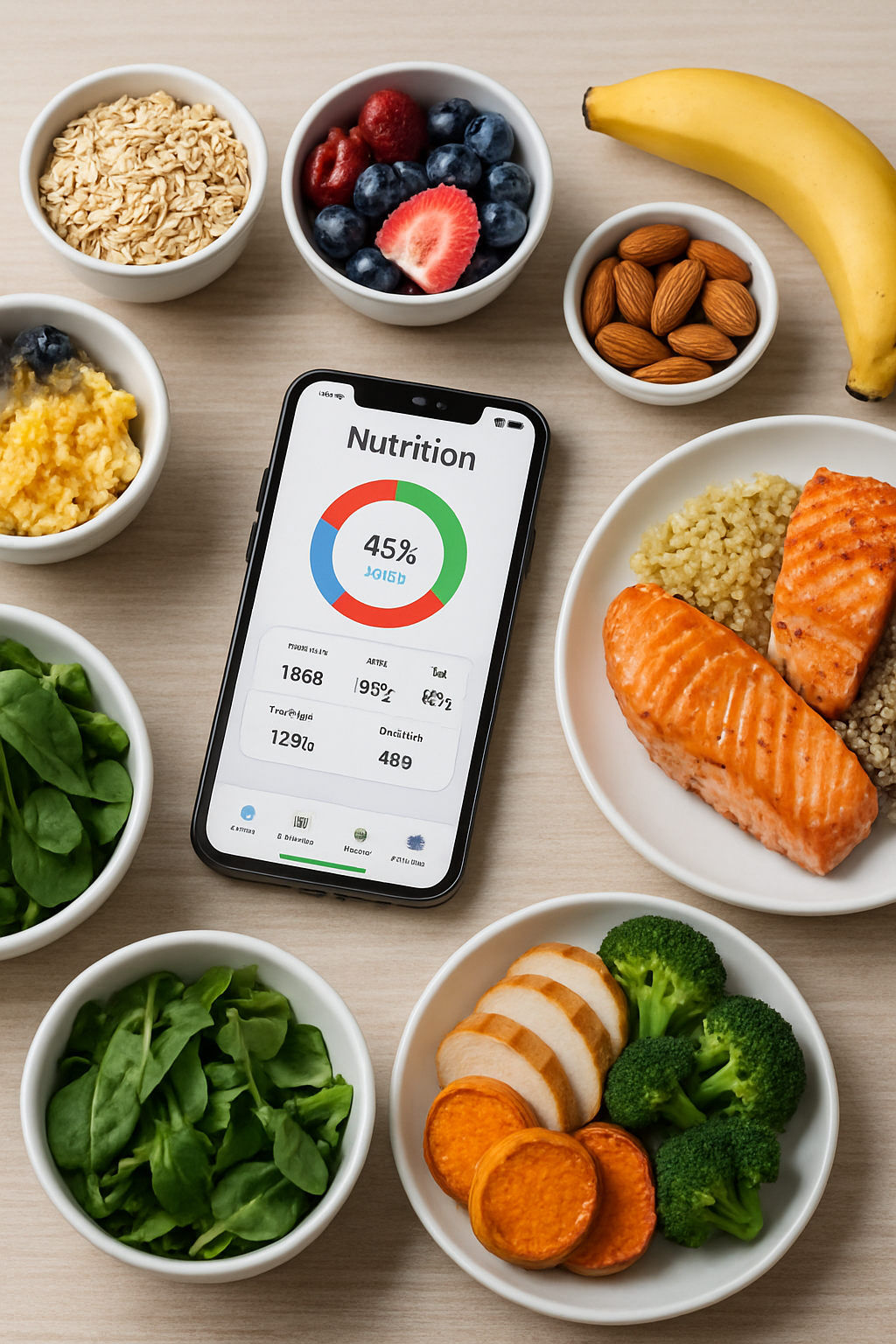
- 7:30 AM - Breakfast: Bowl of oatmeal with berries, nuts, and a side of scrambled eggs. Snap. The app confirms a perfect start with complex carbs, protein, and healthy fats.
- 1:00 PM - Lunch: Grilled salmon, quinoa, and a large green salad. Snap. Instant feedback shows a great balance of protein for muscle maintenance and anti-inflammatory omega-3s for recovery.
- 4:00 PM - Pre-Training Snack: A banana and a handful of almonds. Snap. You see you've topped up your energy stores perfectly for the upcoming session.
- 7:00 PM - Post-Training Dinner: Lean chicken breast with roasted sweet potatoes and broccoli. Snap. The app congratulates you on hitting your daily protein target, ensuring optimal muscle repair while you sleep.
Frequently Asked Questions (FAQ) about Athlete Nutrition
What is the best macro split for a footballer?
While individual needs vary, a common starting point for a football player's diet is 55-60% carbohydrates, 20-25% protein, and 20% healthy fats. SnapEat helps you track and adjust this based on your training load and goals.
Is an AI nutrition tracker better than manual logging?
For most athletes, yes. The speed and accuracy of a photo-based AI tracker like SnapEat removes the friction and guesswork of manual apps. This leads to better consistency, which is the key to long-term results.
How much protein does a soccer player need for recovery?
Soccer players typically need about 1.4-1.7 grams of protein per kilogram of body weight per day to optimize muscle recovery and growth. SnapEat makes tracking this target simple.
Stop Guessing, Start Performing Like a Pro
The difference between a good athlete and a great one lies in mastering the fundamentals. Nutrition is no longer a small advantage; it’s a pillar of success. The world's best players prove this every time they step on the pitch. With SnapEat AI, you have the data, insights, and accountability to transform your diet and elevate your game. Your journey to peak performance is just a snap away. Download SnapEat today and start fueling your true potential.