


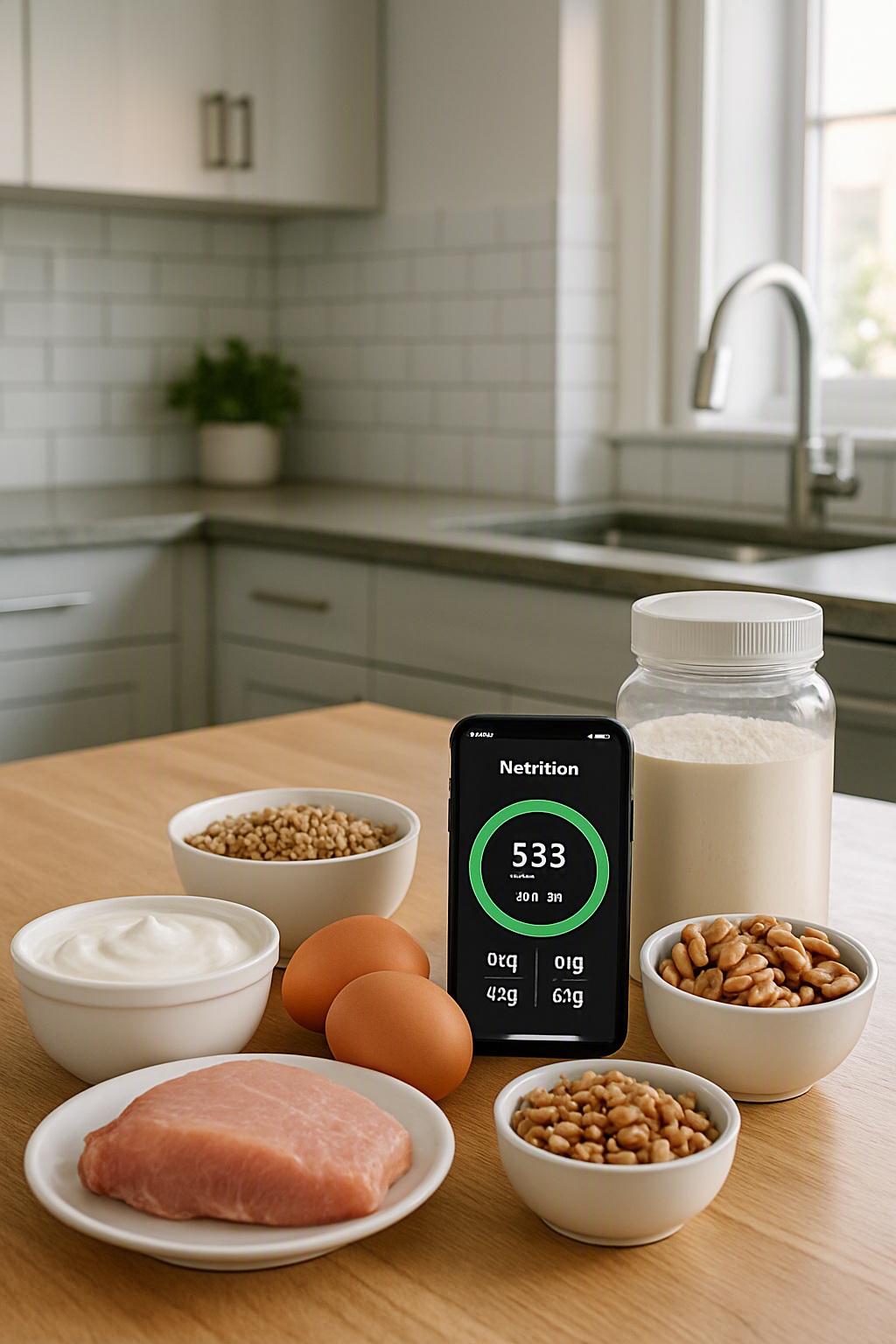
Why Protein is the Cornerstone of Healthy Aging
While we often associate protein with athletes, its role becomes even more critical as we age. The science is clear: adequate protein intake is fundamental to maintaining health, strength, and independence. It's the primary tool in your nutritional toolkit for combating age-related decline.
The Hidden Threat: Understanding Sarcopenia in Seniors
One of the greatest challenges of aging is sarcopenia, the progressive loss of muscle mass and strength. This condition isn't just about appearance; it directly impacts balance, mobility, and the ability to perform daily tasks like carrying groceries or climbing stairs. This increases the risk of debilitating falls and fractures. Dietary protein provides the essential amino acids—the building blocks your body needs to repair and build muscle—making it your number one defense against sarcopenia.
More Than Muscle: Protein's Role in Bones, Immunity, and Healing
Protein’s benefits extend far beyond muscle. It's a key structural component of bones, working alongside calcium and Vitamin D to maintain bone density and prevent osteoporosis. Your immune system also relies heavily on protein, as the antibodies that fight off infection are made from it. Furthermore, adequate protein intake is crucial for faster wound healing and recovering from illness or surgery.
How Much Protein Do Seniors Really Need? The New Science
The outdated idea that nutritional needs decrease with age is a dangerous myth. In fact, cutting-edge research shows that older bodies process protein less efficiently, meaning adults over 65 need more protein than their younger counterparts to stimulate muscle growth. While the standard RDA is 0.8g per kg of body weight, many experts in geriatric nutrition now recommend 1.2 to 1.6 grams of protein per kilogram of body weight for healthy aging. For a 150 lb (68kg) person, that’s 82-109 grams of protein daily—significantly more than many seniors currently consume.
The Protein Gap: Why Do Many Seniors Fall Short?
If protein is so important, why is insufficient intake so common in older adults? Several factors create a perfect storm for a protein deficit:
- Physiological Changes: A naturally reduced appetite, sometimes called the "anorexia of aging," can make eating enough a daily challenge. Changes in taste and smell can also make food less appealing.
- Practical Hurdles: Difficulties with chewing, the effort of cooking complex meals, or limited access to high-quality, protein-rich foods can all create barriers.
- Lack of Awareness: Many people are simply unaware that their protein needs have increased. They continue to follow lifelong dietary habits that are no longer sufficient for their body's new requirements.
The Solution is Simple: How SnapEat AI Revolutionizes Nutrition Tracking
Traditional food logging—weighing portions, searching databases, and manual data entry—is tedious and a major barrier for many. SnapEat AI eliminates this friction with a brilliantly simple, visual approach to nutrition tracking.
From Photo to Insight: Effortless Protein Tracking
The concept is revolutionary: just snap a photo of your meal. SnapEat's advanced artificial intelligence analyzes the image and, within moments, provides a detailed nutritional breakdown, including calories, carbs, fats, and most importantly, your protein intake for that meal. This turns a chore into a simple, two-second action.
Designed for Simplicity: Overcoming the Tech Barrier
The user-friendly interface is designed specifically to be intuitive, overcoming the tech intimidation factor that prevents many older adults from benefiting from digital health tools. It provides the power of a nutritionist in your pocket, without the complexity.
A Practical 4-Step Guide to Boosting Protein with SnapEat AI
Ready to turn science into action? Here’s a simple guide to using SnapEat AI to optimize your protein intake for healthy aging:
- Set Your Personalized Protein Goal: Use the guideline of 1.2g of protein per kg of body weight, or consult a nutritionist. Enter this target into the SnapEat AI app to make your goal clear and measurable.
- Snap Every Meal and Snack: Consistency is key. From your morning coffee to your evening meal, snap everything. The more you track, the more accurate the insights become.
- Review Your Daily Summary: At the end of the day, check the app's summary. Did you hit your protein target? More importantly, how was your protein distributed? Research shows that spreading protein intake evenly, with 25-30g per meal, is ideal for muscle synthesis.
- Identify and Fill the Gaps: If you see your breakfast is low in protein, you now have the data to make a change. Swap jam on toast for eggs or Greek yogurt. If you’re falling short overall, plan for protein-rich snacks like cottage cheese, a handful of almonds, edamame, or a high-quality protein shake.
Frequently Asked Questions (FAQ)
1. Is protein powder safe for seniors?
Yes, for most seniors, a high-quality protein powder (like whey, casein, or a plant-based blend) can be a very safe and effective way to meet protein goals, especially if appetite is low or chewing is difficult. It's excellent in smoothies or mixed with milk or yogurt. Always consult your doctor before adding a new supplement to your diet.
2. What are some easy-to-eat, high-protein foods?
Focus on soft, nutrient-dense foods: Greek yogurt, cottage cheese, scrambled eggs, flaky fish like salmon, well-cooked lentils and beans, tofu, and smoothies with added protein powder are all excellent choices.
3. Does it matter when I eat protein?
Yes! As mentioned, spreading your protein intake evenly throughout the day is more effective than having most of it in one large meal. Aim for 25-30g of protein at breakfast, lunch, and dinner to maximize your body's ability to build and maintain muscle.
4. I'm not tech-savvy. Is SnapEat AI really easy to use?
Absolutely. It was designed with simplicity at its core. If you can take a photo with your phone, you can use SnapEat AI. There are no complicated databases to search or manual entries to fill out. Just snap and let the AI do the work.
Conclusion: Build Your Stronger Future, Today
Healthy aging is an active process, and prioritizing protein is one of the most powerful strategies for maintaining strength, mobility, and independence for years to come. In the past, acting on this nutritional science was difficult. Today, tools like SnapEat AI democratize health, making it easier than ever to turn knowledge into action. By embracing this blend of science and technology, you can build a stronger, more vital future. Download SnapEat AI today and take the first step towards a stronger you.