


The Ramadan Nutrition Dilemma: Why We Struggle with Energy and Weight
During Ramadan, your body undergoes significant metabolic changes. While fasting has potential health benefits, common habits can quickly undermine them, leading to a frustrating cycle of low energy and unwanted weight gain.
Common Ramadan Pitfalls:
- The Iftar Overload: After a long day of fasting, it’s natural to crave energy-dense foods. This often leads to overindulging in sugary drinks, pastries, and fried items (gorengan). This sudden spike in sugar and fat causes energy crashes and promotes fat storage.
- The Neglected Suhoor: The pre-dawn meal, Suhoor (or Sahur), is the most important meal for a successful fast. Skipping it or eating simple carbs that digest quickly means you won't have the sustained energy to power through your day.
- The Dehydration Drain: Forgetting to drink enough water between Iftar and Suhoor is a primary cause of headaches, fatigue, and brain fog during fasting hours.
These pitfalls can turn a month of discipline into a struggle. This is where a smart Ramadan food tracker becomes an essential tool for a healthier experience.
Meet Your Smart Companion: The SnapEat AI Calorie Coach
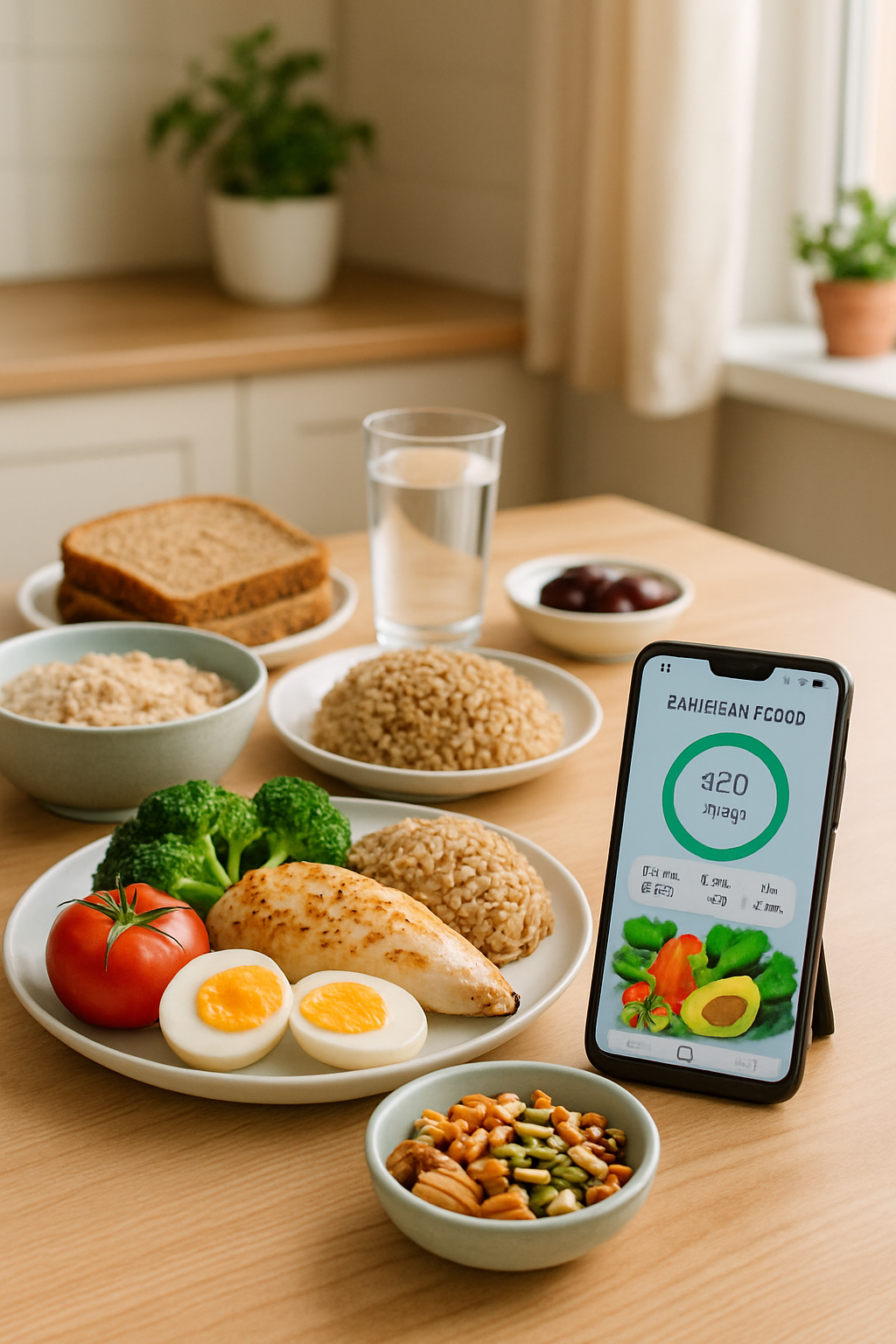
Imagine understanding the nutritional content of your complex Iftar plate just by taking a picture. That’s the magic of SnapEat AI.
SnapEat AI is your personal Ramadan calorie coach that uses advanced AI to analyze meals from a single photo. No more tedious manual searching for ingredients, which is especially difficult with the home-cooked, traditional dishes we love during Ramadan.
Key Features for a Healthy Ramadan:
- Instant Photo Analysis: Snap a photo of your Suhoor or Iftar meal, and SnapEat AI instantly identifies the foods and provides a detailed breakdown of calories, protein, carbohydrates, and fats.
- Effortless Tracking for Traditional Foods: It recognizes a vast library of dishes, including popular Southeast Asian and traditional Ramadan meals like rendang and lontong, making tracking accurate and effortless.
- Personalized Insights: The app learns your habits and provides feedback, helping you understand your eating patterns and make healthier choices day after day.
#tungtungtungsahur: How to Build an Energizing Suhoor
That pre-dawn wake-up call—the #tungtungtungsahur—is your signal to fuel up for the day. A successful fast begins with a smart Suhoor. Your goal is a balanced meal providing lasting energy. Here's a simple formula:
- Complex Carbohydrates: Oats, brown rice, whole-wheat bread for slow-release energy.
- Lean Protein: Eggs, Greek yogurt, chicken breast, or lentils to keep you feeling full.
- Healthy Fats: A handful of nuts, seeds, or a slice of avocado for satiety.
- Hydration & Fiber: A glass of water and fruits or vegetables.
How SnapEat AI helps: Before you eat, take a photo of your Suhoor plate. The app will instantly verify if you have a good balance of protein and fiber to keep you full and energized until sunset. It removes the guesswork, ensuring your #tungtungtungsahur effort truly pays off.
Mindful Iftar: How to Break Your Fast the Right Way
Breaking the fast is a joyful moment that requires mindfulness to avoid overeating and digestive stress. Follow this 3-step strategy:
- Start Wisely: Begin with 1-3 dates and a glass of water, as is tradition. This provides a natural, gentle energy boost and helps restore blood sugar levels safely.
- Pause and Pray: Take a short break before your main meal. This allows your body to register fullness signals, preventing you from eating too quickly.
- Build a Balanced Plate: For your main meal, follow the plate method: half your plate with vegetables, a quarter with lean protein, and a quarter with complex carbohydrates.
How SnapEat AI helps: Tempted by the entire Iftar buffet? Use SnapEat AI as your real-time guide. A quick snap of a potential dish shows you its calorie and fat content, empowering you to choose a smaller portion or a healthier alternative. It helps you enjoy your favorite foods in moderation and turns Iftar into a mindful, nourishing experience.
Beyond Meals: Hydration, Snacks, and Light Exercise
Your health journey doesn't stop at main meals. Staying hydrated is critical. Aim to drink water consistently between Iftar and bedtime. If you feel hungry after Tarawih prayers, opt for a light, healthy snack like a piece of fruit or yogurt instead of heavy desserts.
How SnapEat AI helps: Use the app to log your water intake and ensure you meet your hydration goals. You can also snap a photo of your post-Tarawih snack to see how it fits into your daily nutrition plan, keeping you on track without deprivation.
Frequently Asked Questions About a Healthy Ramadan
1. Can I lose weight during Ramadan?
Yes, it is possible to lose weight during Ramadan by creating a slight calorie deficit. Focus on nutrient-dense foods, controlling portions at Iftar, not skipping Suhoor, and staying hydrated. A tool like SnapEat AI is perfect for monitoring your calorie intake accurately.
2. What are the best foods for Suhoor to stay full?
The best foods combine protein, healthy fats, and fiber. Examples include oatmeal with nuts and berries, scrambled eggs with whole-wheat toast and avocado, or a smoothie with Greek yogurt and spinach.
3. How can I avoid feeling tired during the day?
A balanced Suhoor is key. Also, ensure you are fully rehydrating between Iftar and Suhoor. Avoid high-sugar foods at Iftar that cause an energy crash. A short 15-20 minute nap in the afternoon can also help.
Your Healthiest Ramadan Awaits
This Ramadan, take control of your health and energy. By combining timeless nutritional wisdom with modern technology, you can embrace the spiritual benefits of the holy month without compromising your physical well-being. Let SnapEat AI be the smart, supportive tool that guides you through every meal.
Ready to transform your fasting experience? Download SnapEat AI today and join the movement for a healthier, more energetic Ramadan. Make this the year you nourish your body as well as your soul.