


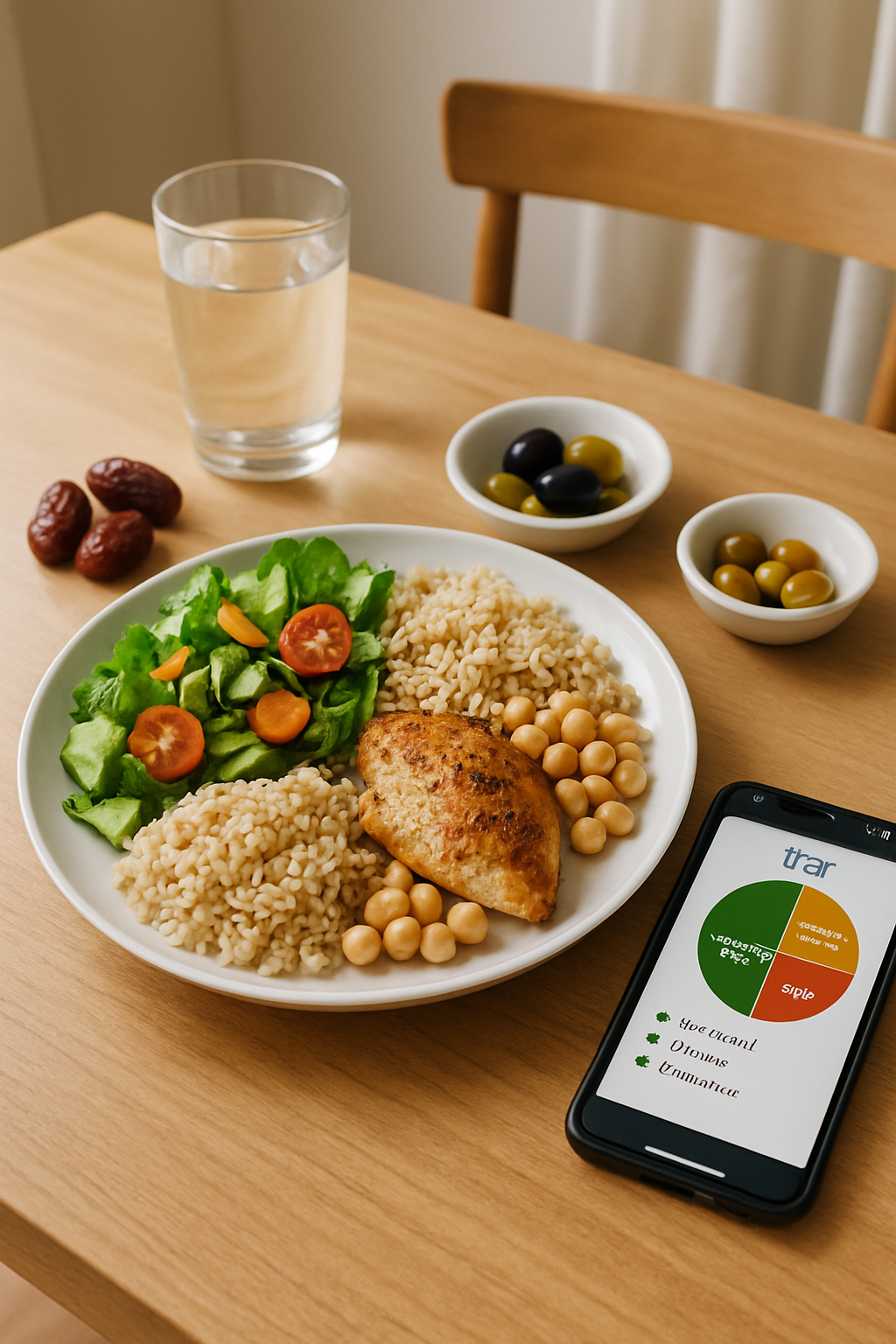
The Modern Ramadan Challenge: Balancing Faith and Fitness
Ramadan is a sacred month of spiritual reflection, community, and discipline. At its heart is Iftar, the joyous meal that breaks the day-long fast. Yet, amidst the celebratory feasts, many of us face a modern dilemma: how to honor our bodies with proper Ramadan nutrition while enjoying cherished traditions? After a long day of fasting, it's easy to overindulge in sugary, fried, or processed foods, leading to energy crashes and digestive issues. But what if you could navigate Iftar with confidence? This guide provides expert advice on building a healthy plate and introduces SnapEat AI, the perfect tool for effortless Iftar meal tracking.
Why Iftar Nutrition Can Be Tricky
Fasting significantly alters your metabolism. The goal of Iftar should be to gently replenish your body with a balance of nutrients, not just to fill an empty stomach. Common pitfalls include:
- Sugar Overload: Breaking the fast with sugary drinks and sweets causes a rapid blood sugar spike and subsequent crash.
- Overeating Heavy Foods: Large portions of fatty or fried foods can overwhelm your digestive system, leading to bloating and sluggishness.
- Dehydration: Forgetting to prioritize water can lead to headaches and fatigue.
- Nutrient Gaps: Missing out on essential protein and fiber can leave you feeling unsatisfied and low on energy for Tarawih prayers and the day ahead.
Mindful eating is the cornerstone of a healthy Ramadan. It’s about making conscious choices that support both your spiritual journey and your physical wellbeing.
SnapEat AI: Your Smart Companion for Ramadan Nutrition
Imagine understanding your Iftar's nutritional value with just a photo. That's the power of SnapEat AI. As a leading AI nutrition app, it simplifies healthy eating. When you're tired and hungry, the last thing you need is a complicated food diary. SnapEat AI solves this with its 'snap and track' method.
How It Works:
- Snap a Photo: Take a picture of your Iftar meal.
- Get Instant Analysis: The AI identifies each food item and instantly calculates calories, protein, carbs, and fats.
- Receive Smart Guidance: The app offers personalized insights, helping you understand your habits and make healthier choices for Suhur or the next day's Iftar.
This process of effortless meal tracking is a game-changer for anyone serious about their Ramadan diet plan.
A Nutritionist’s Guide to the Perfect Iftar Plate
To maximize your health this Ramadan, follow this nutritionist-approved framework for building a balanced Iftar plate.
Step 1: Hydrate Wisely and Break Your Fast Gently
Before eating, rehydrate with a glass or two of water. Following the Sunnah, break your fast with 1-3 dates. They provide a quick, natural source of energy and fiber. Avoid sugary juices and opt for water, milk, or a light yogurt drink (lassi).
Step 2: Master the Balanced Plate Method
Visualize your plate divided into three sections:
- ½ Plate with Vegetables & Salad: Fill half your plate with a colorful mix of leafy greens, cucumbers, tomatoes, and steamed or roasted vegetables. This provides vital fiber, vitamins, and minerals.
- ¼ Plate with Lean Protein: Dedicate a quarter to high-quality protein to repair muscles and ensure satiety. Great options include grilled chicken, baked fish, lentils, chickpeas, or beans.
- ¼ Plate with Complex Carbohydrates: Use the final quarter for slow-release energy. Choose whole grains like brown rice, quinoa, whole-wheat bread, or a baked potato over white rice and refined-flour pastries.
Step 3: Incorporate Healthy Fats
Healthy fats are essential for hormone regulation and nutrient absorption. Add a sprinkle of nuts or seeds, a few slices of avocado, or a drizzle of olive oil on your salad to complete your meal.
How to Use SnapEat AI for a Smarter Ramadan
Here’s how you can combine this knowledge with technology for optimal results:
- Snap Your Balanced Plate: Before your first bite, open SnapEat AI and take a photo of your meal.
- Review Actionable Insights: After your meal, review the app's analysis. Did you meet your protein goal? Were the carbs mostly complex? This instant feedback loop is key to improvement.
- Adjust for Tomorrow: If you notice your Iftar was low on fiber, SnapEat's smart guidance might suggest adding more vegetables tomorrow. If dinner was heavier than intended, you can plan a lighter, protein-rich Suhur. Using SnapEat AI for Iftar meal tracking transforms your phone into a personal nutritionist.
Frequently Asked Questions (FAQ) about Ramadan Nutrition
1. Can I lose weight healthily during Ramadan?
Yes, it's possible. By focusing on a balanced Iftar and Suhur, avoiding fried and sugary foods, staying hydrated, and incorporating light exercise, you can create a modest calorie deficit. An app that helps track calories for Iftar can be a very effective tool for this goal.
2. What is the best thing to eat for Suhur to stay full?
For Suhur, prioritize a combination of protein, healthy fats, and complex carbohydrates. A great example is Greek yogurt with nuts and seeds, oatmeal with berries, or eggs with whole-wheat toast and avocado. These foods provide sustained energy and prevent hunger pangs during the day.
3. How do I avoid overeating at Iftar?
Start by rehydrating with water. Break your fast with dates, then pause for Maghrib prayer before starting your main meal. This gives your body time to register fullness. Eat slowly, chew thoroughly, and use the balanced plate method to control portion sizes.
Embrace a Healthier, More Mindful Ramadan
This Ramadan, give yourself the gift of health. By combining the timeless wisdom of a balanced diet with the modern convenience of an AI nutrition app, you can enjoy the month's blessings without compromising your wellness goals. SnapEat AI empowers you to celebrate Iftar with joy and mindfulness, removing the guesswork from nutrition. Focus on your faith and family, and let us guide you toward better health.
Ready to make this your healthiest Ramadan yet? Download SnapEat AI today and experience the future of nutrition at your fingertips.
Ramadan Mubarak!