


What Defines Rapid Weight Loss?
The term 'rapid weight loss' refers to a diet plan where an individual loses more than 2 pounds (approximately 1 kilogram) per week over a period of several weeks. Achieving this rate of weight loss typically requires a drastic reduction in daily calorie intake, creating a significant energy deficit.
The Mechanics of Quick Diets
These diet plans are often pursued by individuals seeking fast results, but they require careful management. They are generally not recommended without professional oversight due to their intensity. Rapid weight loss diets are intended for short-term use only, typically lasting no more than a few weeks.
Individuals who lose weight at an accelerated pace have a higher tendency to regain it compared to those who adopt gradual lifestyle changes incorporating a balanced diet and physical activity. The body perceives rapid weight loss as a significant stressor, triggering a powerful hormonal response that can slow metabolism and drive weight regain once the diet is relaxed or stopped.
Very Low-Calorie Diets (VLCD)
On a VLCD, daily intake can be as low as 800 calories, potentially leading to a weight loss of 3 to 5 pounds per week. Traditionally, VLCDs rely on meal replacements like shakes and bars to ensure essential nutrient intake. However, tracking this accurately can be challenging without the right tools.
Low-Calorie Diets (LCD)
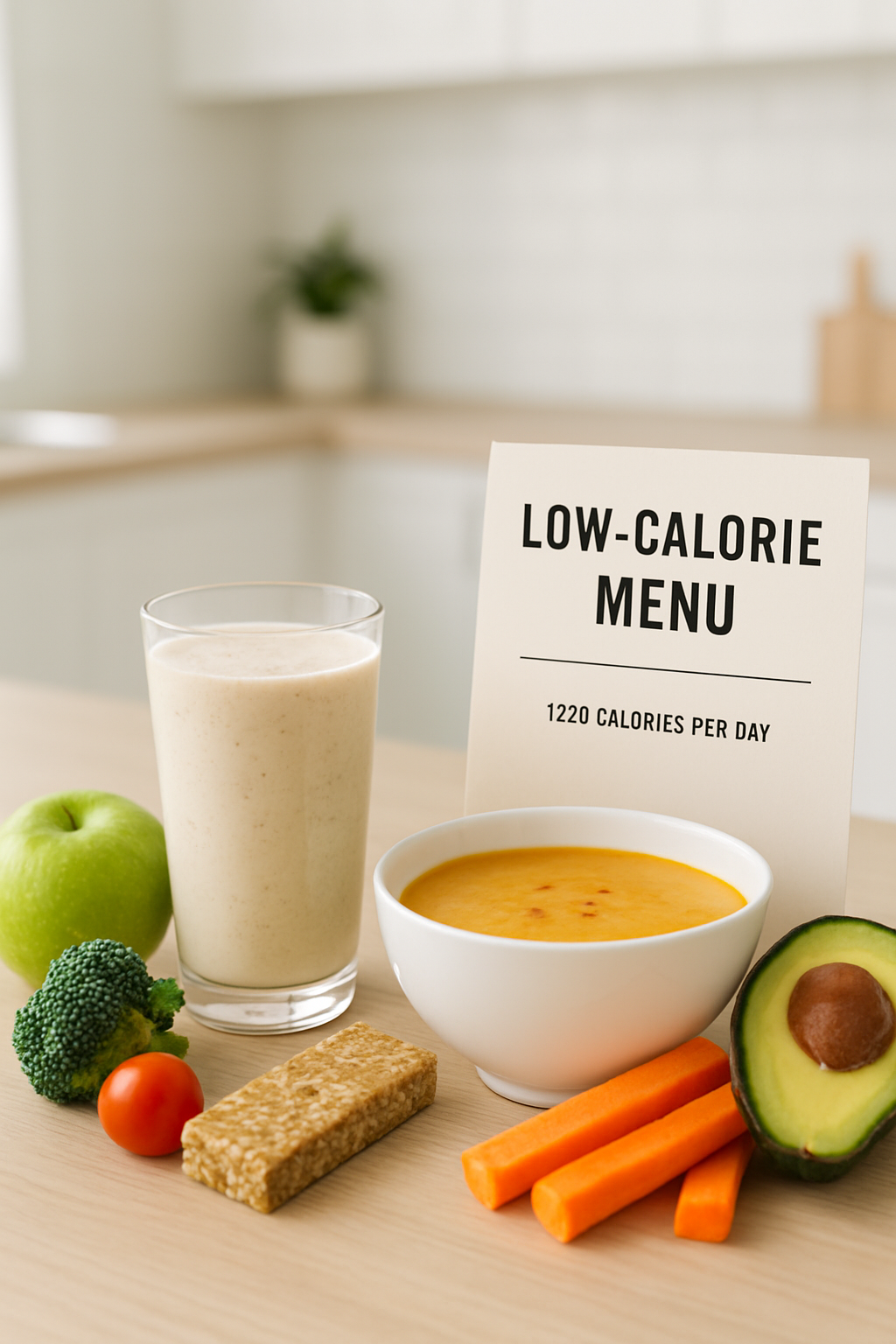
LCDs are a more moderate approach, typically allowing 1,000 to 1,200 calories daily for women and 1,200 to 1,600 for men. An LCD is a more practical choice for many, offering a steadier rate of weight loss. While you won't lose weight as rapidly as on a VLCD, an LCD can achieve comparable long-term results in a more sustainable fashion.
A Smarter Approach: Sustainable Loss with SnapEat AI
Instead of resorting to extreme and often unsustainable methods, a data-driven approach offers a safer and more effective path. SnapEat AI transforms your smartphone into an all-in-one AI coach, making calorie management effortless and precise.
With SnapEat AI, you can move beyond guesswork. Simply snap a photo of your meal, and our advanced AI recognizes the food, providing an instant calorie count. This allows you to easily maintain a healthy calorie deficit without the tedious process of manual logging. The app acts as your smart calorie counter, helping you set and achieve weight loss goals with personalized nutrition guidance to prevent common dietary pitfalls.
Managing Modern Diets like Intermittent Fasting
Dietary strategies like time-restricted eating (e.g., the 16:8 method) and intermittent fasting (e.g., the 5:2 plan) have gained popularity. SnapEat AI helps you implement these plans safely by tracking your eating windows and ensuring you meet your nutritional needs within them. This support can turn a trending diet into a manageable and successful long-term habit.
The Role of Exercise in Your Journey
While calorie management is the cornerstone of weight loss, physical activity is vital for overall health and maintaining your results. For a holistic view of your progress, SnapEat AI syncs your health data, allowing you to see your complete energy picture—calories consumed versus calories burned. We recommend consulting your provider about the appropriate level of exercise for your specific diet plan.
Achieving Real Health Benefits Safely
When managed correctly, weight loss can significantly improve health markers for those with obesity-related conditions. A structured, AI-assisted plan can help lead to better management of:
- Diabetes
- High cholesterol
- High blood pressure
Important Health Considerations
Following a very low-calorie diet should only be done with professional guidance. Losing weight too quickly can lead to the loss of muscle, water, and bone density, and may cause side effects such as:
- Gallstones
- Fatigue
- Constipation or diarrhea
- Nausea
Rapid weight loss often leads to rapid weight regain. SnapEat AI is a powerful tool for informed decision-making, but it does not replace professional medical advice. Before beginning any new diet, especially if you are a teen, pregnant, or an older adult, it is essential to speak with a healthcare provider.