


What Is Rapid Weight Loss?
Rapid weight loss refers to any dietary plan where an individual loses more than 2 pounds (approximately 1 kilogram) per week over a period of several weeks. This accelerated pace is typically achieved by consuming a very low number of calories, a method known as severe caloric restriction.
Common Approaches to Rapid Weight Loss
These strategies are often considered by individuals with obesity who aim for quick results, but they require careful management due to their intensity. It's crucial that anyone undertaking such a diet is monitored by a healthcare professional, as they are not suitable for everyone and are intended for short-term use only.
Very Low-Calorie Diet (VLCD)
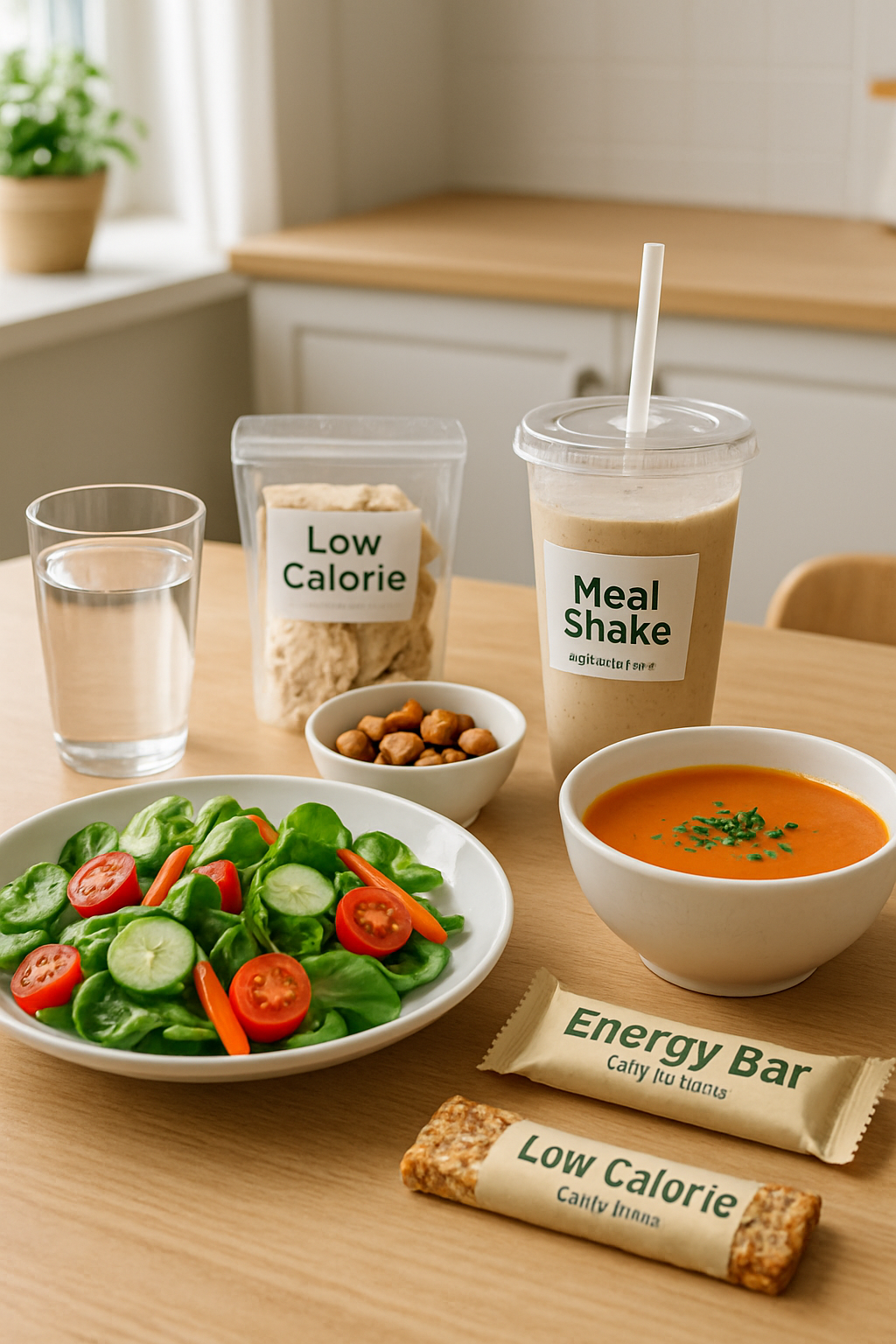
In a VLCD, daily caloric intake can be as low as 800 calories, potentially leading to a weight loss of 3 to 5 pounds per week. These diets frequently rely on meal replacement products like shakes, soups, or bars to ensure essential nutrient needs are met. VLCDs are generally reserved for adults with obesity under medical supervision, often as a preparatory step for bariatric surgery, and are typically not recommended for more than 12 weeks.
Low-Calorie Diet (LCD)
An LCD allows for a higher intake, around 1,000 to 1,200 calories daily for women and 1,200 to 1,600 for men. While the weight loss is more gradual than with a VLCD, it is often seen as a more manageable and equally effective option for many. LCDs may combine meal replacements with regular food, making them easier to adhere to.
Time-Restricted Eating & Intermittent Fasting
These popular methods focus on *when* you eat, not just *what* you eat. Time-restricted eating involves limiting your food consumption to a specific window each day, such as the 16:8 method (a 16-hour fast with an 8-hour eating window). Intermittent fasting involves alternating between periods of normal eating and periods of fasting or very low-calorie intake, like the 5:2 diet (five days of normal eating and two non-consecutive days of fasting). Both can induce rapid weight loss initially.
The Hidden Dangers of Losing Weight Too Fast
Losing weight at an accelerated rate places significant stress on the body. It can trigger strong hormonal responses that not only slow down weight loss over time but also promote rapid weight regain once the diet is relaxed. Losing more than 1 to 2 pounds a week without medical guidance can lead to the loss of muscle mass, bone density, and water, along with side effects such as:
- Gallstones
- Fatigue and lethargy
- Constipation or diarrhea
- Gout
- Nausea
Furthermore, the 'yo-yo' effect of quickly losing and regaining weight can create further health complications.
The Smarter Alternative: Sustainable Weight Management
Instead of pursuing extreme and risky methods, a more effective long-term strategy involves adopting a balanced and sustainable approach. The goal should be a gradual loss of 0.5 to 1 pound per week, achieved through a moderate calorie deficit and healthy eating habits. This is where modern technology can be a powerful ally.
How SnapEat AI Empowers Your Journey
SnapEat AI serves as your all-in-one AI coach, designed to simplify the complexities of nutrition and weight management. It transforms the challenge of tracking into a seamless experience.
- Effortless Food Recognition: Forget tedious manual logging. Simply snap a photo of your meal, and SnapEat AI's smart technology instantly recognizes the food, acting as an intelligent calorie counter to calculate your intake.
- Personalized Goal Setting: The app functions as your calorie intake calculator, helping you set achievable weight loss goals and providing personalized nutrition guidance to maintain a healthy deficit.
- Progress Tracking and Synchronization: Monitor your meals, track your progress over time, and sync your health data to get a comprehensive view of your wellness journey, keeping you motivated and on track.
Integrating Exercise for Holistic Health
While severe calorie cutting is the primary driver of rapid weight loss, sustainable health involves a combination of diet and exercise. A balanced nutritional plan tracked with SnapEat AI provides the necessary energy for physical activity. Your provider can help you determine the right type and amount of exercise to complement your diet, and you can sync your activity data for a complete picture of your energy balance.
Long-Term Benefits of a Steady Approach
For individuals with health issues related to obesity, such as diabetes, high cholesterol, or high blood pressure, sustainable weight loss offers significant improvements without the risks of rapid dieting. By using a tool like SnapEat AI, you build lasting habits, foster a healthy relationship with food, and achieve results that you can maintain for life. It's not just about losing weight—it's about gaining health.