


What is a Rapid Weight Loss Diet?
A rapid weight loss diet is an eating plan where an individual loses more than 2 pounds (approximately 1 kilogram) per week over several weeks. Achieving such fast results requires consuming a very low number of calories. While the appeal of quick transformation is strong, this method demands careful planning and oversight. For those considering this path under professional advice, SnapEat AI serves as your all-in-one AI coach to recognize food, track calorie intake precisely, and sync your health data for a comprehensive overview.
How SnapEat AI Can Assist in Your Journey
These diets are typically considered by individuals with obesity who aim for swift weight reduction for health-related reasons and should be supervised by a healthcare provider. SnapEat AI is a tool to support this process, not a replacement for medical advice. These plans are intended for short-term use. The key to success is accuracy, and that’s where an AI-powered calorie counter makes a difference. People who lose weight quickly are significantly more prone to regaining it compared to those who adopt gradual changes. The body's hormonal response to rapid weight loss is more intense, which can slow metabolism and encourage weight gain once the diet concludes.
Tracking Very Low-Calorie Diets (VLCD)
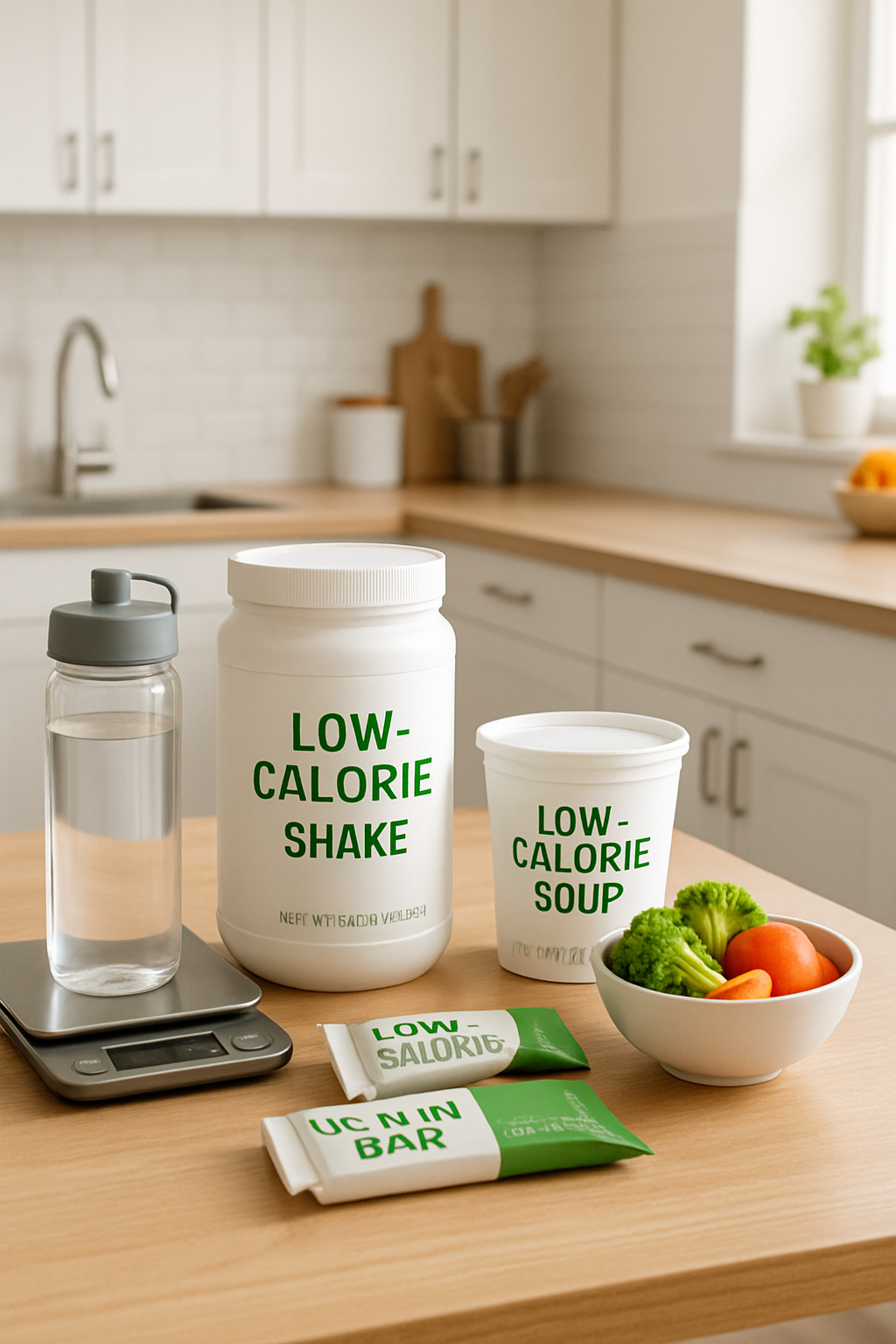
On a VLCD, you might consume as few as 800 calories daily, potentially losing up to 3 to 5 pounds weekly. These plans heavily rely on meal replacements like shakes, soups, and bars to ensure you receive essential nutrients. With SnapEat AI, you can use our calorie intake calculator by simply snapping a photo of your meal or supplement. This ensures you are accurately tracking every calorie and nutrient, providing you and your provider with precise data. A VLCD is typically recommended only for adults with obesity for a period of no more than 12 weeks under medical supervision.
Managing a Low-Calorie Diet (LCD)
An LCD is a more moderate approach, generally permitting 1,000 to 1,200 calories daily for women and 1,200 to 1,600 for men. It is often a more sustainable choice than a VLCD for rapid weight loss. SnapEat AI simplifies managing an LCD by allowing you to track a combination of meal replacements and regular foods. Let our smart calorie counter do the work, so you can lose weight effectively without the constant burden of manual logging.
Supporting Time-Restricted Eating
This increasingly popular method involves limiting your daily food consumption to a specific window of time, like the 16:8 model (an 8-hour eating period). The challenge is ensuring adequate nutrition within this limited timeframe. SnapEat AI helps you track meals and provides personalized nutrition guidance to confirm you're meeting your health goals during your eating window.
Navigating Intermittent Fasting
Intermittent fasting, such as the 5:2 plan (two days of very low-calorie intake and five days of normal eating), has gained popularity for its potential benefits in weight management. SnapEat AI is an ideal tool for this lifestyle. Use it to meticulously track your calories on fasting days and to maintain a balanced, nutritious diet on your other days, promoting a more structured and informed approach.
Avoiding Fad Diet Pitfalls
Many fad diets promise rapid weight loss through extreme calorie restriction but are often unsafe and unsustainable. Once you stop, the weight often returns. SnapEat AI encourages a balanced approach grounded in nutritional science. For most individuals, a safer and more sustainable goal is to lose 0.5 to 1 pound per week.
The Role of Exercise
Rapid weight loss is primarily achieved by cutting calories rather than by exercise alone. It is important to discuss with your provider what type of exercise is safe for you while on a low-calorie diet. SnapEat AI can sync with your health apps to monitor your activity, but your provider may suggest waiting until you transition to a more sustainable, long-term diet before beginning a rigorous exercise routine.
Potential Health Benefits
For individuals facing health problems due to obesity, a supervised rapid weight loss plan can offer significant benefits by improving conditions such as diabetes, high cholesterol, and high blood pressure. Tracking progress with SnapEat AI can help visualize these health improvements alongside your weight loss.
Understanding the Possible Health Concerns
It is crucial to follow a rapid weight loss diet only with guidance from a healthcare professional. Losing more than 1 to 2 pounds weekly can be unsafe for most people, leading to the loss of muscle, water, and bone density. Potential side effects include gallstones, gout, fatigue, constipation, diarrhea, and nausea. Furthermore, those who lose weight quickly are more likely to regain it just as fast. Rapid weight loss diets are generally not considered safe for children, teens, pregnant women, or older adults unless specifically recommended and monitored by a doctor. Always consult your provider before starting any new diet plan.