


What is Rapid Weight Loss?
A rapid weight loss plan is defined as any diet that causes you to shed more than 2 pounds (approximately 1 kilogram) per week over several weeks. To achieve such fast results, you must consume a very low number of calories, which can be a significant shock to your body's system.
The Pitfalls of Extreme Diets
These diets are often sought by individuals with obesity aiming for quick results. However, they are seldom recommended by health professionals for unsupervised use. The body interprets rapid weight loss as a major stressor, triggering a powerful hormonal response that slows down your metabolism and increases hunger. This is a primary reason why weight regain is so common after the diet is relaxed or stopped.
Very Low-Calorie Diets (VLCD)
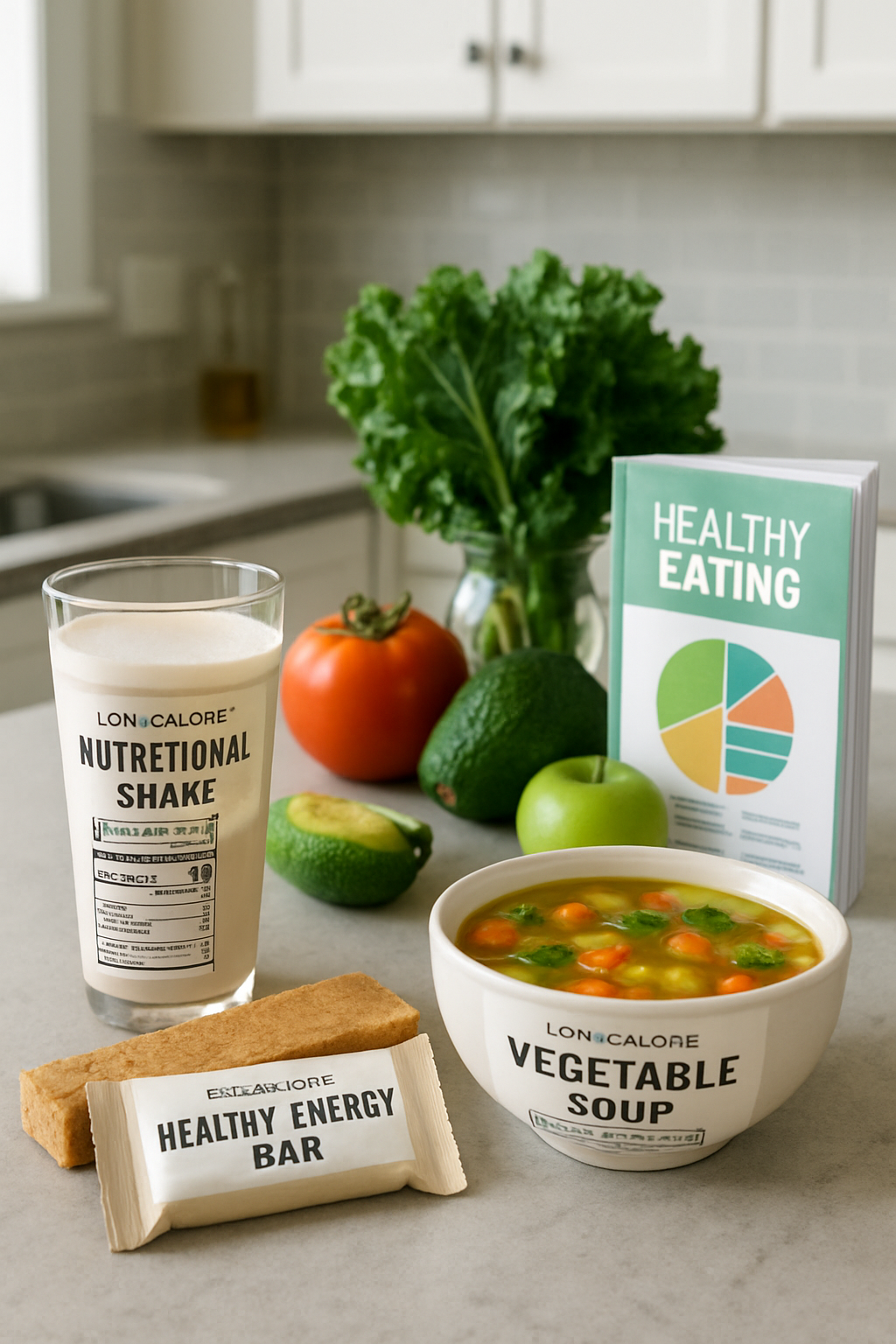
On a VLCD, your daily intake might be as low as 800 calories, leading to a loss of up to 3 to 5 pounds (1.5 to 2 kg) weekly. Most VLCDs utilize meal replacements like formulas, soups, and shakes instead of conventional meals. This is intended to ensure you receive essential nutrients. VLCDs are typically reserved for adults with obesity who need to lose weight for medical reasons, such as before weight-loss surgery, and should only be followed under a provider's guidance for no more than 12 weeks.
Intermittent Fasting & Time-Restricted Eating
These strategies are increasingly popular. Time-restricted eating involves limiting your daily food intake to a specific window, such as the 16:8 method where you eat during an 8-hour period. Intermittent fasting, like the 5:2 system, involves two days of near-fasting per week. While these methods can induce rapid weight loss, maintaining balanced nutrition within these constraints can be challenging without careful monitoring.
The SnapEat AI Solution: A Smarter Path
Instead of turning to unsustainable fad diets, a modern approach uses technology to create a moderate and personalized calorie deficit. This is where SnapEat AI excels as your intelligent nutrition coach. Rather than guessing your calorie intake or depending on restrictive meal replacements, SnapEat AI empowers you to manage your diet effectively.
With SnapEat AI, you can leverage our AI coach to instantly recognize food from a photo, track your calorie intake, monitor your progress toward weight loss goals, and sync your health data for personalized guidance. It promotes a balanced approach, helping you build a sustainable plan for long-term success without the risks of extreme dieting.
The Role of Exercise in Your Journey
Effective weight loss is more about managing calorie intake than it is about exercise. Consult your provider about the appropriate type of exercise to incorporate while on a calorie-managed diet. They may suggest waiting until you transition to a more sustainable, long-term eating plan before beginning a vigorous exercise routine. SnapEat AI can help by syncing with your health apps to provide a complete picture of your activity and nutrition.
Benefits of Sustainable Weight Management
A steady, sustainable approach to weight loss, as facilitated by SnapEat AI, is for anyone seeking to improve their health. For these individuals, achieving gradual weight loss can help enhance:
- Diabetes management
- High cholesterol levels
- High blood pressure
Potential Risks to Avoid
Following a rapid weight loss plan without professional guidance can be unsafe. Losing more than 1 to 2 pounds (0.5 to 1 kg) a week can cause a loss of muscle, water, and bone density. Rapid weight loss may also lead to several side effects, including:
- Gallstones
- Gout
- Fatigue
- Constipation
- Diarrhea
- Nausea
Individuals who lose weight rapidly are also highly prone to regaining it quickly, which can introduce other health complications. In general, a rapid weight loss diet is not safe for children and may be unsafe for teenagers, pregnant women, or older adults unless recommended by a provider. If you have a pre-existing health condition, it is crucial to speak with your provider before starting any diet plan for weight loss.