


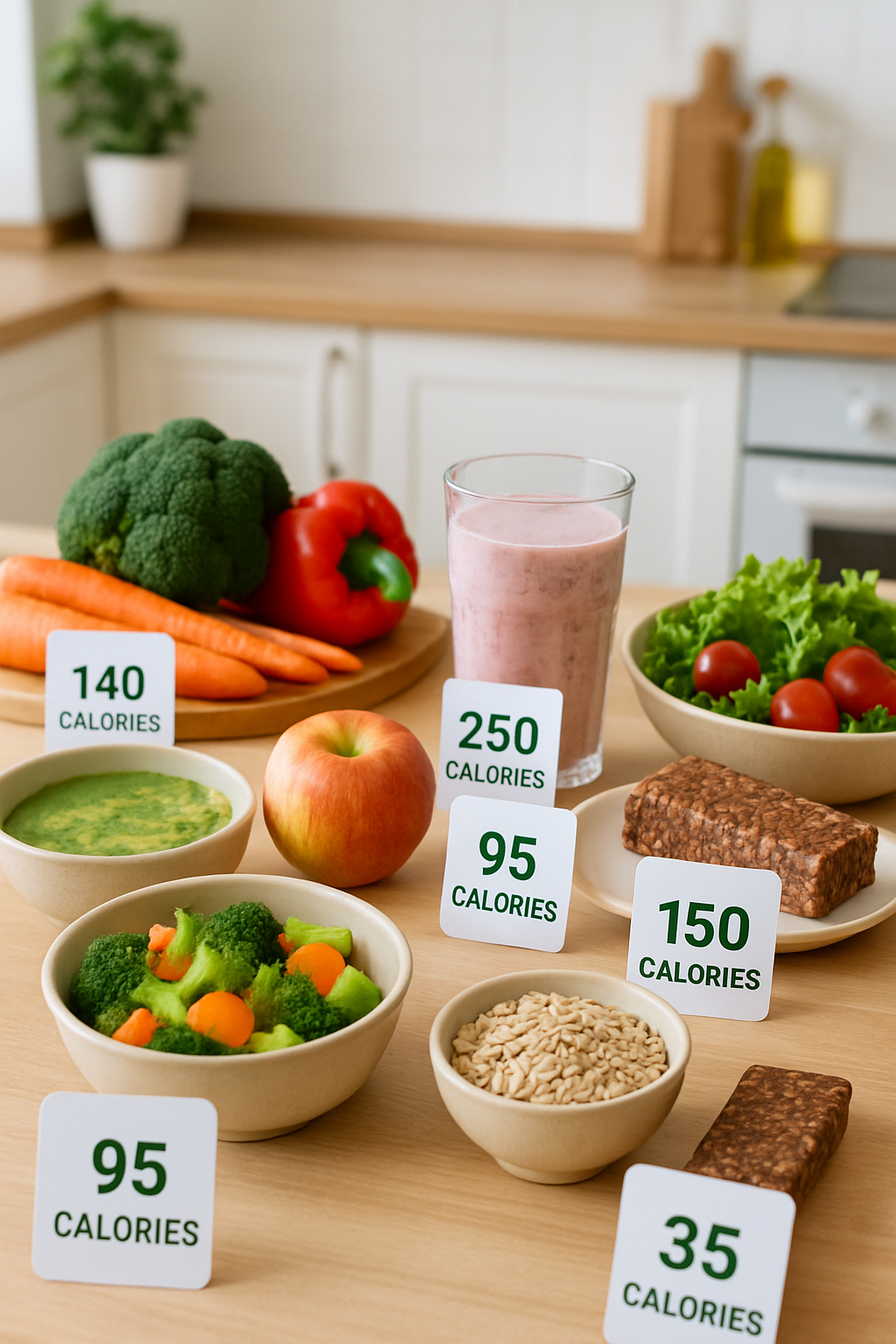
A rapid weight loss plan is a diet where you aim to lose more than 2 pounds (lb) or 1 kilogram (kg) per week over several weeks. To achieve this rate of weight loss, you must maintain a significant calorie deficit, which requires careful tracking and planning.
How SnapEat AI Powers Your Journey
These diets are often considered by individuals with obesity who seek quick results. However, they require close monitoring, ideally with professional guidance. A tool like SnapEat AI, your personal AI coach, can be invaluable. It makes the process safer and more manageable by providing precise food recognition and calorie counting, helping you stay on track without the guesswork. Rapid weight loss diets are typically short-term strategies, not intended to last more than a few weeks. Individuals who lose weight quickly are more prone to regaining it compared to those who adopt gradual changes. The body experiences significant stress, triggering a strong hormonal response that can slow metabolism and encourage weight regain once the diet is relaxed. SnapEat AI helps by promoting sustainable habits alongside tracking.
Managing Very Low-Calorie Diets (VLCDs)
In a VLCD, your daily intake might be as low as 800 calories, leading to a loss of 3 to 5 lbs (1.5 to 2 kg) weekly. Many VLCDs use meal replacements like shakes, soups, or bars. SnapEat AI ensures you meticulously track every calorie from these replacements, helping you adhere to your strict limit while monitoring your nutrient intake to stay balanced.
A VLCD is primarily recommended for adults with obesity for health-related reasons, sometimes before weight-loss surgery. It's crucial to undertake a VLCD under a provider's supervision. Most experts advise against VLCDs for longer than 12 weeks.
Tracking Low-Calorie Diets (LCDs) Effortlessly
These plans typically suggest around 1,200 to 1,500 calories daily for women and 1,500 to 1,800 for men. An LCD is a more moderate choice for rapid weight loss than a VLCD but should still be overseen by a professional. With an LCD, you can achieve significant weight loss. An LCD often involves a mix of meal replacements and regular food. This is where SnapEat AI's smart calorie counter excels. Simply snap a picture of your meal, and our AI recognizes the food, making it easy to log your intake and stick to your daily targets.
Mastering Time-Restricted Eating
This increasingly popular strategy limits your eating to a specific window each day, such as the 16:8 method, where you eat during an 8-hour period (e.g., 10 am to 6 pm). While this method can induce rapid weight loss, the key is managing what you eat within that window. SnapEat AI helps you track your meals to ensure you remain in a calorie deficit and receive balanced nutrition during your eating period.
Simplifying Intermittent Fasting
Fasting has gained popularity due to studies showing benefits for individuals with diabetes and obesity. A common regimen is the 5:2 system: 2 days of fasting or a VLCD and 5 days of normal eating. SnapEat AI simplifies this by helping you monitor your low-calorie days accurately while maintaining a log of your regular diet, ensuring you meet your weekly goals for rapid weight loss.
Avoiding Fad Diet Pitfalls
Many fad diets promise rapid weight loss by severely restricting calories, but they are often unsafe and unsustainable. Once you stop, you're likely to regain the weight. SnapEat AI promotes a healthier, more sustainable approach. By providing data-driven insights into your eating habits, it empowers you to build a personalized, long-term plan rather than relying on temporary fixes. For most, a safer goal is losing 0.5 to 1 lb (225 to 500 g) per week.
Integrating Exercise with Your Diet
While cutting calories is primary for rapid weight loss, exercise is crucial for overall health. SnapEat AI syncs with your health apps to integrate your physical activity. This provides a complete overview of your energy balance—calories in versus calories out—allowing you to adjust your intake based on your activity level. Always consult your provider about the appropriate exercise regimen for your diet plan.
Unlocking Health Benefits
For those with health issues due to obesity, rapid weight loss can significantly improve conditions like diabetes, high cholesterol, and high blood pressure. Consistency is key, and SnapEat AI acts as your dedicated coach, helping you stick to your plan and track progress, which is essential for achieving these positive health outcomes.
Staying Safe and Informed
Always follow a rapid weight loss diet with professional guidance. Losing more than 1 to 2 lbs a week can be risky, potentially causing muscle and bone density loss, along with side effects like fatigue, gallstones, or nausea. SnapEat AI serves as a powerful tool to enhance safety. By keeping a detailed log of your food intake, you can share accurate data with your healthcare provider, enabling them to offer the best advice and supervision. Rapid weight loss plans are generally not recommended for children, teens, pregnant women, or older adults without a provider's explicit recommendation.