


What Defines Rapid Weight Loss?
The promise of quick results is tempting for anyone on a health journey. Rapid weight loss is generally defined as losing more than 2 pounds (1 kilogram) per week over several weeks. Achieving this requires a very low-calorie diet, which can be a significant shock to your system. While sometimes medically necessary, it's a path that demands caution, knowledge, and the right tools. Here, we'll explore the methods, risks, and how an AI-powered coach like SnapEat AI can support a smarter, safer approach to your weight management goals.
How It Works
These diets are often considered by individuals with obesity who seek to lose weight quickly for health reasons, sometimes in preparation for surgery. Such plans should always be undertaken with close supervision from a healthcare provider, as they may not be safe for everyone to attempt alone. These regimens are intended for short-term use, typically not exceeding several weeks. It's important to note that individuals who lose weight very quickly are more prone to regaining it over time compared to those who adopt a slower, more sustainable approach through gradual diet changes and physical activity. The body perceives rapid weight loss as a major stressor, triggering a strong hormonal response that slows metabolism and promotes weight regain once the diet is relaxed.
Common Rapid Weight Loss Strategies
Several types of diets fall under the rapid weight loss category. Understanding how they work is the first step in assessing their suitability for your health goals.
Very Low-Calorie Diets (VLCDs)
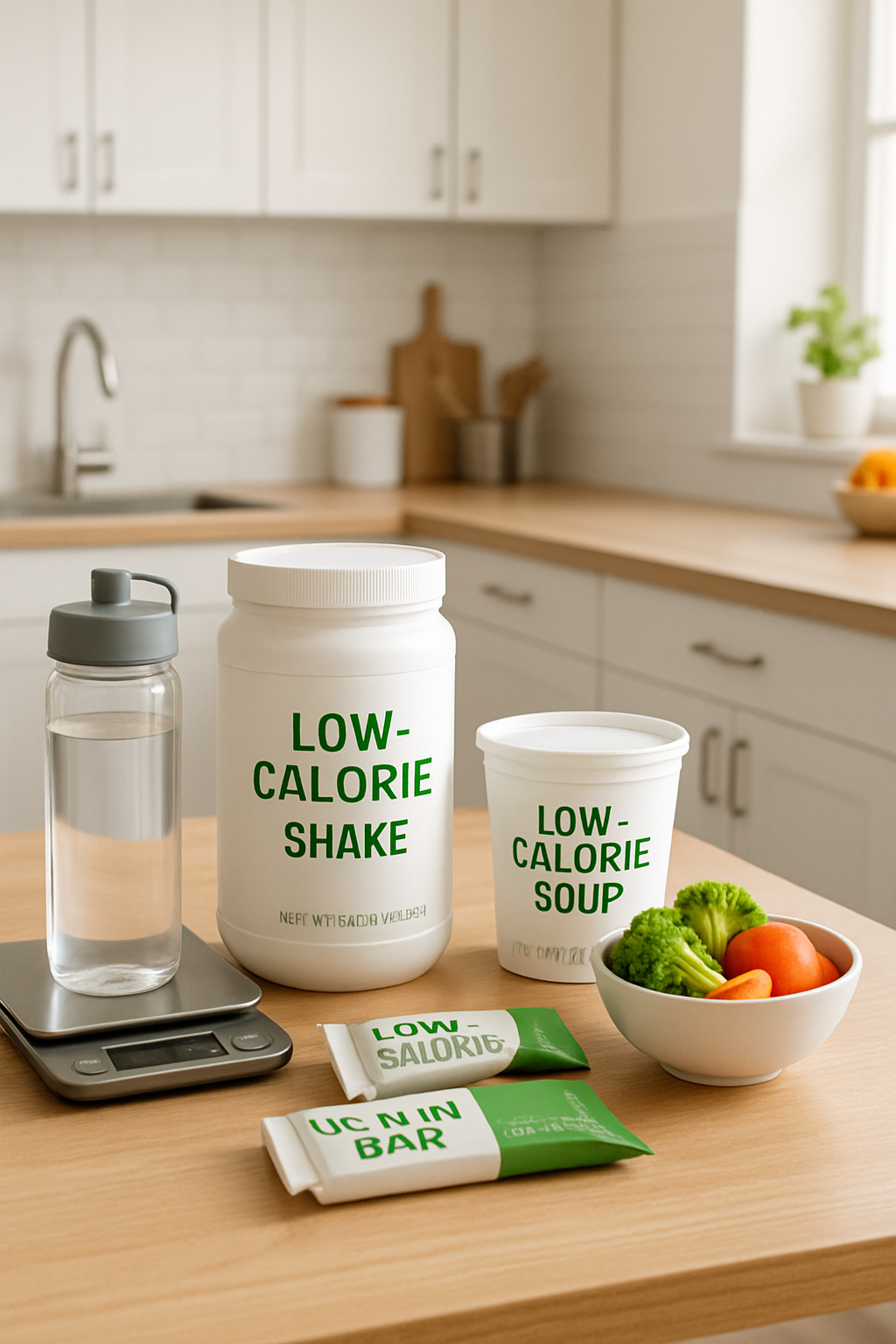
On a VLCD, daily intake can be as low as 800 calories, potentially leading to a loss of 3 to 5 pounds per week. To ensure proper nutrition, VLCDs often rely on meal replacements like specially formulated shakes, soups, and bars. A VLCD is typically recommended only for adults with obesity under strict medical supervision. With SnapEat AI, you can meticulously log these meal replacements and any other intake, giving both you and your doctor a precise record of your consumption to ensure you meet essential nutrient targets during this intensive phase.
Low-Calorie Diets (LCDs)
An LCD is a less extreme but still aggressive approach, usually permitting 1,000 to 1,200 calories daily for women and 1,200 to 1,600 for men. While weight loss is slightly slower than on a VLCD, it can be just as effective over time and is often more manageable. An LCD may combine meal replacements with regular food, making it more flexible. SnapEat AI simplifies this process immensely. Just snap a photo of your meal, and our smart calorie counter instantly analyzes it, making it easy to stay within your daily calorie budget without tedious manual entry.
Time-Restricted Eating and Intermittent Fasting
These popular strategies focus on *when* you eat rather than just *what* you eat. Methods like the 16:8 plan (eating within an 8-hour window) or the 5:2 system (two days of very low-calorie intake per week) can lead to rapid weight loss. The challenge is ensuring your meals are nutritionally adequate during your eating periods. SnapEat AI helps you track your eating windows and provides detailed insights into your meals, ensuring you're fueling your body with balanced nutrition, not just empty calories.
The Risks and Why a Smarter Approach is Better
Rapid weight loss is not without its risks. Losing more than 1-2 pounds a week can lead to the loss of muscle, water, and bone density. Potential side effects include fatigue, constipation, nausea, and even the development of gallstones. Furthermore, the quick rebound effect is a major concern. People who lose weight rapidly are far more likely to regain it just as quickly, which can create a frustrating cycle and other health issues.
The Role of Exercise
While cutting calories is the primary driver of rapid weight loss, exercise remains vital. Speak with your provider about the appropriate type and intensity of exercise for your plan. As you transition to a more sustainable, long-term diet, SnapEat AI can help by syncing with your health apps. This gives you a holistic view of your energy balance—calories consumed versus calories burned—to optimize both your diet and fitness routine.
Embracing Sustainable Weight Loss with SnapEat AI
For most individuals, a slow and steady approach is the safest and most effective path to long-term health. Aiming to lose 0.5 to 2 pounds a week is a sustainable goal that minimizes stress on your body and helps you build healthy habits that last a lifetime. This is where SnapEat AI truly shines. It’s more than just a calorie counter; it's your all-in-one AI coach. By recognizing food from a simple photo, tracking your progress, and providing personalized guidance, SnapEat AI empowers you to move away from risky fad diets and toward informed, mindful choices. It helps you understand the nutritional value of your food, making it easier to build a balanced diet that you can maintain for years to come.
Important Health Considerations
For individuals whose weight contributes to health problems like diabetes, high cholesterol, or high blood pressure, weight loss can bring significant benefits. However, it's crucial to approach it safely. Rapid weight loss diets are generally not considered safe for children, teenagers, pregnant women, or older adults unless specifically recommended and monitored by a doctor. Always consult with your healthcare provider before starting any new diet plan to ensure it's the right choice for your unique health profile.