


The jump scares in horror games are over in a second, but the feeling after five nights of pizza, soda, and late-night snacks can haunt you for days. We’ve all been there: a holiday, a stressful week, or a vacation throws our healthy habits out the window. You wake up feeling sluggish, bloated, and battling guilt, thinking you've derailed all your progress.
But here’s the truth from our nutrition experts: you haven’t. A few days of unhealthy eating won't undo months of hard work. The real challenge is your recovery strategy. It's not about punishment; it’s about a smart reset. This guide provides a 5-day plan to recover from unhealthy eating and feel your best, with a little help from modern AI nutrition tools like SnapEat.
The Aftermath: What Happens After Unhealthy Eating?
Before jumping into a solution, understanding what’s happening in your body is key. It’s more than just calories.
The Physical Toll: Bloating, Fatigue, and Blood Sugar Spikes
That puffy, heavy feeling is primarily water retention and bloating. Processed foods, high in sodium and refined carbs, cause your body to hold extra water. Your energy crashes are due to a blood sugar rollercoaster; simple sugars provide a quick spike followed by a hard crash, leaving you tired and craving more junk food. Your gut is also working overtime, which can lead to digestive discomfort.
The Mental Game: Breaking the Guilt Cycle
Worse than the physical effects can be the psychological impact. Many fall into an 'all-or-nothing' trap: "I've already messed up, so I might as well keep going." This cycle of feeling guilty after eating unhealthy is more destructive to your long-term goals than the food itself. The key is to break this cycle with a gentle, strategic reset—not a week of punishing workouts.
Your 5-Day Recovery Protocol to Get Back on Track
Think of this as your step-by-step guide to get back on track with your diet. This is the core of your 5 day reset diet after vacation or a binge.
Day 1: Hydrate & Reset
Your #1 priority is water. Proper hydration helps your kidneys flush out excess sodium, directly combating bloat. Aim for 2-3 liters of water. For an extra boost, include electrolyte sources like a banana or coconut water. Herbal teas (peppermint, ginger) can also soothe your digestive system. Avoid sugary drinks and alcohol.
Day 2: Prioritize Protein & Fiber
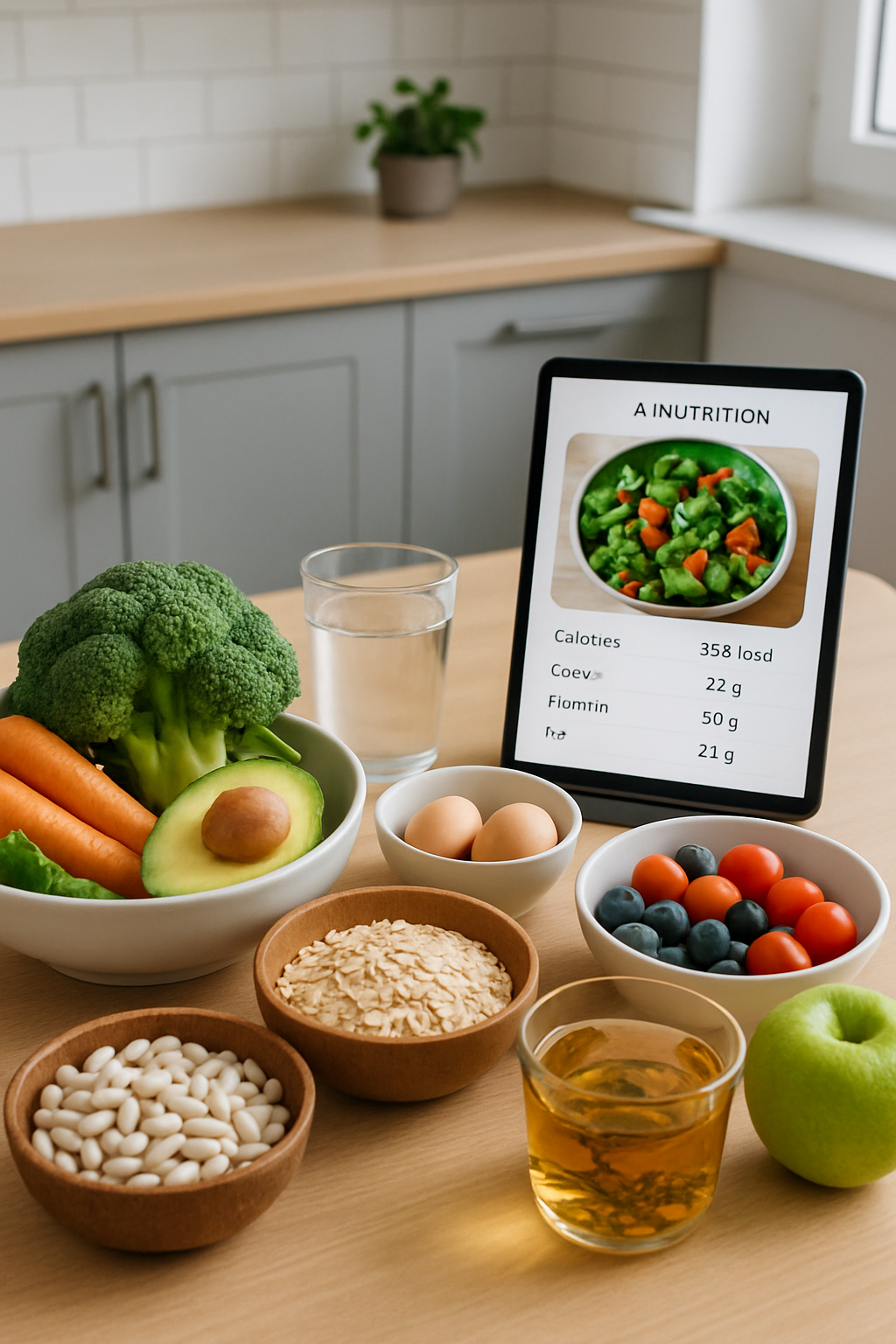
Today is about stabilizing your blood sugar and restoring satiety. Focus on whole foods by incorporating lean protein and high-fiber vegetables into every meal.
- Lean Protein: Chicken, fish, tofu, eggs, lentils.
- High-Fiber Veggies: Broccoli, leafy greens, bell peppers.
Day 3: Gentle Movement, Not Punishment
Resist the urge for a punishing gym session. Your body is already stressed. Instead, focus on gentle movement. A brisk 30-minute walk, a light yoga flow, or stretching will boost your metabolism and mood without adding more cortisol (the stress hormone). The goal is to aid digestion and feel good.
Day 4: Mindful Refueling & Meal Planning
By now, you should feel significantly better. Use this momentum to practice mindful eating. Eat slowly, savor your food, and listen to your body’s hunger cues. This is also the perfect day for some light meal planning for the coming week, setting yourself up for continued success.
Day 5: Re-establish Healthy Habits
You've survived and reset! Now, it's about consistency. Return to your normal healthy habits and workout schedule. View this experience not as a failure, but as a lesson in resilience. You’ve proven you can enjoy life and get right back on track.
Your Health Guard: How SnapEat AI Helps You Thrive
Knowing what to do is one thing, but real-time feedback is a game-changer. This is where an AI food tracker app like SnapEat AI becomes your personal health guard.
Awareness Without Judgment
Simply snap a photo of your meal, and the AI provides a detailed nutrition breakdown. This isn't about shame; it's about data. Seeing that a meal was high in sodium is an objective observation that empowers you to choose a low-sodium option for your next meal. It's about informed choices, not guilt.
Identify Hidden Sugars and Fats
Many 'healthy-looking' restaurant meals contain hidden sugars, unhealthy fats, and excessive sodium. SnapEat AI acts like your personal food detective, revealing what’s really in your food and helping you spot these culprits before they derail your efforts.
Actionable Insights for Recovery
SnapEat AI makes your recovery plan smarter. A quick snap after dinner can show your macro intake. Realize your sodium was high? The next day, you can use the app to find and track potassium-rich foods like bananas and spinach to balance it out. The app turns guesswork into a clear, data-driven strategy.
Frequently Asked Questions (FAQ)
What is the fastest way to recover from a week of unhealthy eating?
What should I eat to detox after junk food?
How do I stop feeling guilty after eating?
Conclusion: From Survivor to Strategist
A binge of unhealthy eating feels daunting, but it’s a temporary state, not a permanent failure. The key is to ditch the guilt, embrace a strategic recovery plan, and use modern tools to your advantage.
You don't need to fear food or social events. By understanding your body's needs and leveraging the power of an AI nutrition tool like SnapEat AI, you can move from a 'survivor' of your diet to a confident 'strategist' of your health. Download SnapEat AI today and get the intelligent insights you need to stay on track, no matter what life throws at you.