


What Defines a Rapid Weight Loss Diet?
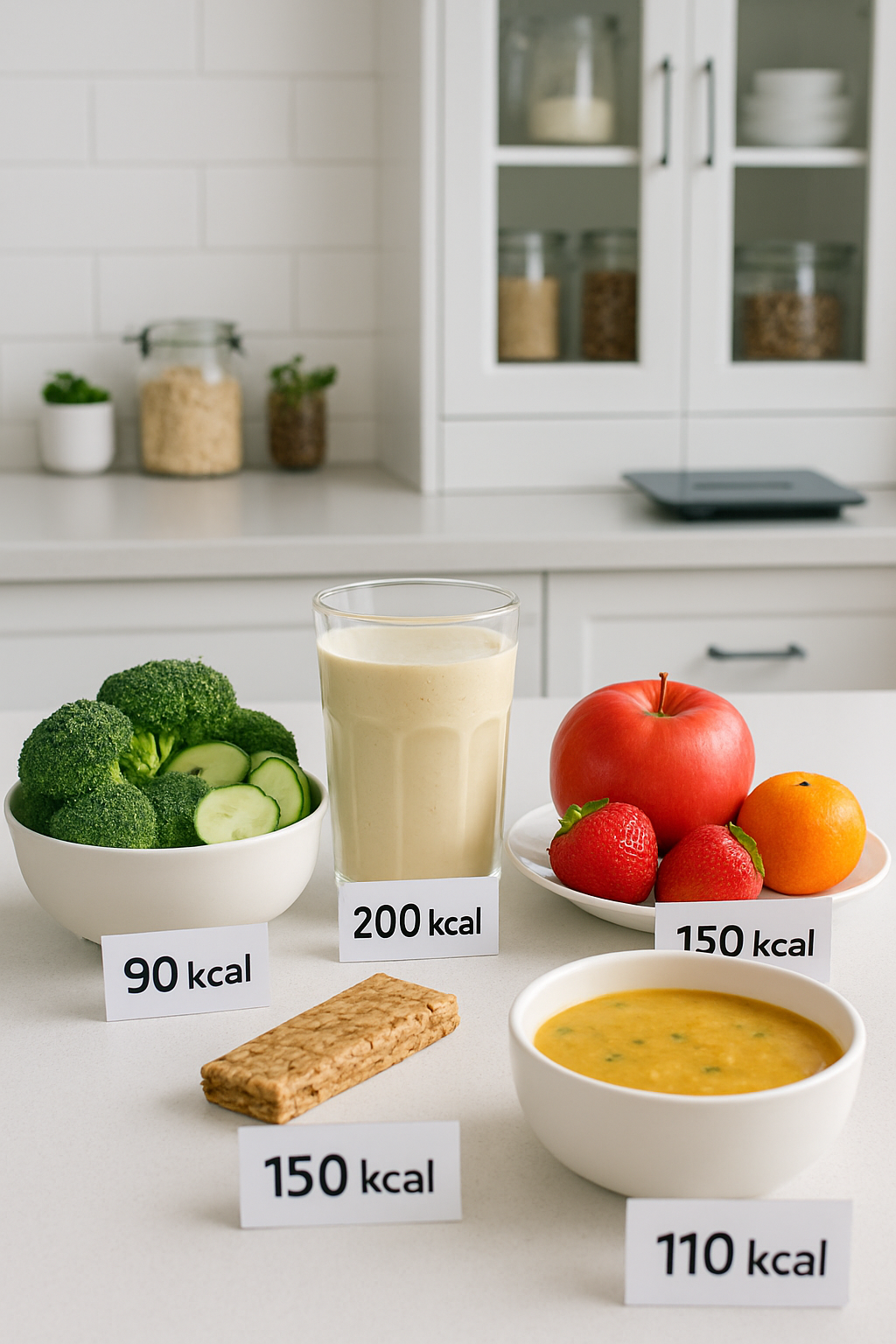
A rapid weight loss diet is a strategy where an individual loses more than 2 pounds (1 kilogram) per week over several weeks. To achieve such fast results, you must consume very few calories. This approach, while challenging, can be managed effectively with the right tools.
Alternative Terms for Rapid Dieting
Very low-calorie diet; VLCD; Low-calorie diet; LCD; Smart calorie counting; Weight loss app; AI nutrition coach; Diet tracking; Time-restricted eating.
A Modern Approach to Fast Weight Loss
These diets are often pursued by individuals with obesity who are looking for quick results. While these diets were traditionally done under professional supervision, SnapEat AI now puts the power in your hands, acting as your digital coach. It's crucial to understand that rapid weight loss can be a shock to the system. People who lose weight this way are more likely to regain it compared to those who lose it slowly through gradual diet changes and exercise. The body's hormonal response to drastic weight loss is stronger, which can slow down progress and lead to weight gain once the diet is relaxed. SnapEat AI helps you navigate this by providing insights and fostering sustainable habits for long-term success.
Managing Calorie-Specific Diets
Very Low-Calorie Diet (VLCD)
On a VLCD, your daily intake might be as low as 800 calories, leading to a weight loss of up to 3 to 5 pounds (1.5 to 2 kg) weekly. Most VLCDs utilize meal replacements like formulas, shakes, and bars. This ensures you receive essential daily nutrients. SnapEat AI's food recognition makes tracking effortless—just snap a photo, and the calories are logged. A VLCD is typically recommended for adults with obesity aiming for health improvements and is often used before weight-loss surgery. It should be followed for a limited time, and most experts advise against using a VLCD for over 12 weeks. SnapEat AI helps you monitor this short-term, high-impact journey.
Low-Calorie Diet (LCD)
An LCD generally permits around 1,000 to 1,200 calories daily for women and 1,200 to 1,600 for men. It is often a more manageable choice than a VLCD for quick weight loss, though professional supervision is still recommended. While the weight loss is not as fast as a VLCD, the total amount lost can be comparable. An LCD often includes a combination of meal replacements and regular food, making it easier to stick to. With SnapEat AI, you can seamlessly track this mix, giving you flexibility while keeping you on target.
Mastering Timed Eating Protocols
Time-Restricted Eating
This dietary strategy is gaining traction. It limits your eating to a specific window each day, a popular example being the 16:8 method. In this diet, you consume all your meals within an 8-hour period, for example, from 11 a.m. to 7 p.m., and fast for the remaining 16 hours. Studies suggest this method can induce rapid weight loss, and SnapEat AI is the perfect tool to ensure you stay within your designated window and maintain consistency for long-term results.
Intermittent Fasting
Fasting is a timeless method of calorie restriction that has recently become popular due to studies showing benefits for individuals with diabetes and obesity. There are many fasting schedules, but one of the most well-known is the 5:2 system. This involves two days of fasting or a VLCD and five days of normal eating per week. Diets that include fasting can lead to rapid weight loss, and SnapEat AI simplifies the tracking of your fasting and non-fasting days.
The SnapEat AI Advantage: Beyond Fad Diets
Some fad diets severely restrict calories for quick weight loss, but they are often unsafe and unsustainable. Once you abandon the diet, you risk regaining the weight if you revert to old eating habits. For most individuals, a safer goal is to lose 1/2 to 1 pound (225 to 500 grams) per week. SnapEat AI provides a smarter path. Instead of a rigid plan, our AI coach delivers personalized guidance based on your progress and goals, helping you build lasting habits rather than following a fleeting trend.
Syncing Diet and Exercise
Rapid weight loss is primarily about reducing calories, not just exercising. SnapEat AI syncs with your health apps to monitor your physical activity alongside your nutrition. Your AI coach will help you determine the appropriate type of exercise for your diet phase. It may suggest waiting until you are on a more sustainable, long-term diet plan before beginning a strenuous exercise regimen.
Health Benefits
A rapid weight loss diet is typically for people whose health is affected by obesity. For them, losing a significant amount of weight quickly can help improve conditions such as:
- Diabetes
- High cholesterol
- High blood pressure
Pursuing Weight Loss Safely
You should only undertake one of these diets with support. Losing more than 1 or 2 pounds a week can be unsafe for most people, potentially causing a loss of muscle, water, and bone density. Rapid weight loss can also lead to side effects, including:
- Gallstones
- Gout
- Fatigue
- Constipation
- Diarrhea
- Nausea