


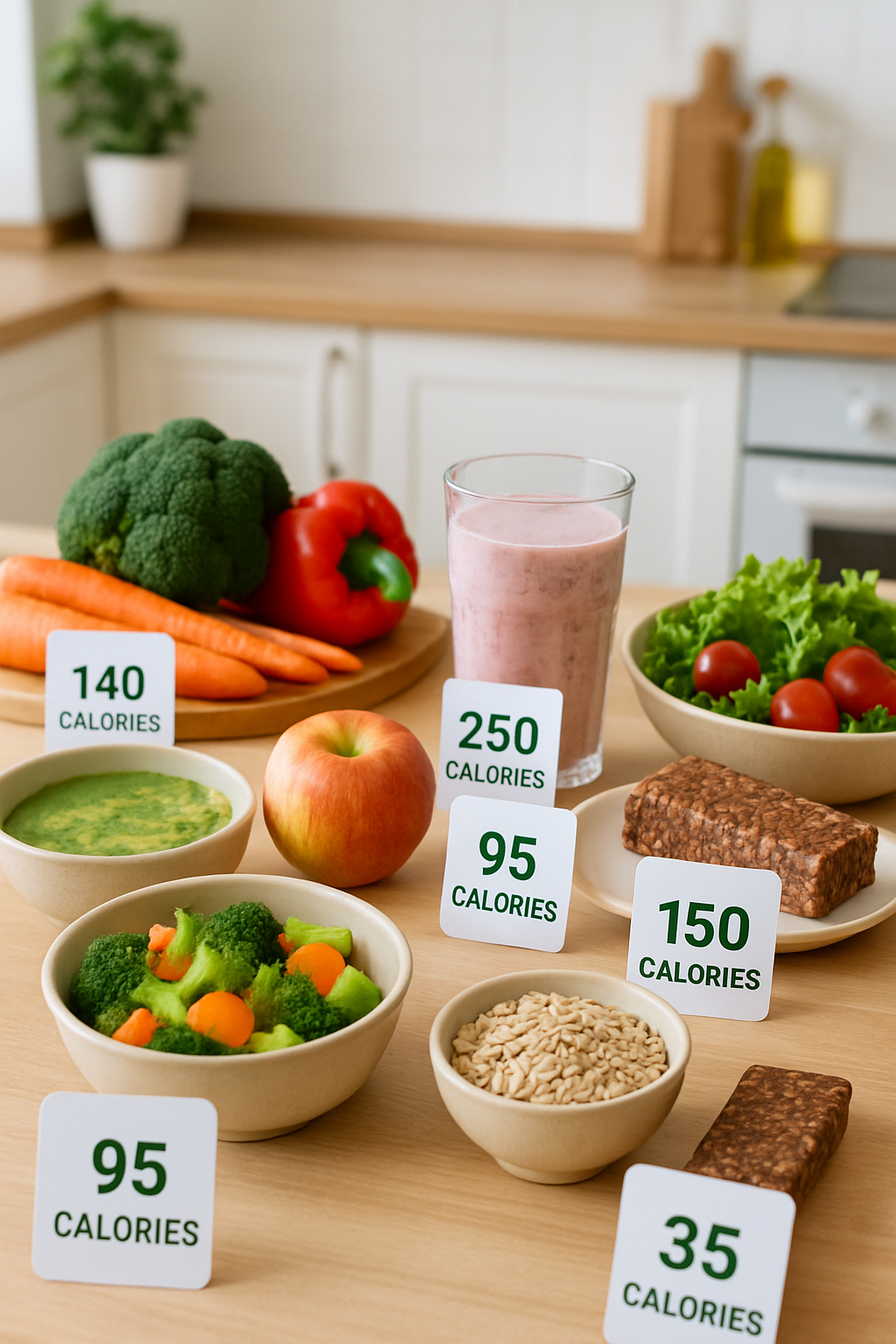
A Smart Guide to Rapid Weight Loss with SnapEat AI
A rapid weight loss plan is a diet where you aim to lose more than 2 pounds (lb) or 1 kilogram (kg) per week over several weeks. Achieving this requires eating very few calories. With modern technology, managing such a diet is simpler and more precise than ever. SnapEat AI is your all-in-one AI coach, designed to help you recognize food, track your calorie intake accurately, and sync your health data for a holistic view of your progress.
How It Works with SnapEat AI
Intensive diets are often considered by individuals with obesity who need to see results quickly for health reasons. While traditionally monitored by healthcare providers, SnapEat AI empowers you to take an active, informed role in your journey. These diets should only be followed for a short period, and our app serves as your digital companion, not a replacement for professional medical advice. People who achieve rapid weight loss are more susceptible to regaining it because of the stress on the body and the strong hormonal response. SnapEat AI helps by promoting sustainable tracking habits and providing clear data, which can help manage the transition back to a long-term maintenance plan after the initial phase is complete.
Very Low-Calorie Diets (VLCD) with AI Tracking
On a VLCD, you might consume as few as 800 calories a day, potentially losing up to 3 to 5 lb (1.5 to 2 kg) weekly. VLCDs often rely on meal replacements like formulas, soups, shakes, and bars. SnapEat AI ensures you can track these with perfect accuracy. Just snap a photo, and our smart calorie counter logs the item, ensuring you have a precise record of your daily intake and are receiving the necessary nutrients outlined in your plan. A VLCD is typically recommended for adults with obesity for specific health purposes, often before a medical procedure like weight-loss surgery, and should be undertaken with professional guidance.
Low-Calorie Diets (LCD) Simplified
These diets are more moderate, generally permitting 1,200 to 1,500 calories daily for women and 1,500 to 1,800 for men. An LCD is often a more manageable choice than a VLCD for rapid weight loss. With SnapEat AI, you can set your personalized calorie target and track a mix of meal replacements and regular foods. This flexibility makes an LCD easier to follow, and our app provides the consistency needed to achieve results comparable to a VLCD over time.
Time-Restricted Eating and Intermittent Fasting
These increasingly popular strategies limit *when* you eat. A common method is the 16:8 schedule, where you consume all meals within an 8-hour window. Intermittent fasting might involve a 5:2 system, with two days of fasting or VLCD eating per week. SnapEat AI is the perfect tool for these plans. You can effortlessly log meals within your eating window to ensure you're meeting your calorie goals for that period. The app provides insights into your eating patterns, helping you maintain consistency and achieve the rapid weight loss these methods can produce.
Avoiding Fad Diets with Data
Some fad diets severely restrict calories for quick results, but they are often unsafe and unsustainable. The risk of regaining weight is high once you return to old habits. SnapEat AI helps you steer clear of these pitfalls by fostering data-driven awareness. By using the app to recognize food and understand its nutritional value, you shift your focus from extreme, temporary diets to building informed, long-term habits. For most individuals, a steady loss of 1/2 to 1 lb (225 to 500 g) a week is a safer, more sustainable goal.
The Role of Exercise and Health Sync
Effective rapid weight loss is more about reducing calorie intake than intense exercise. You should consult your provider about the appropriate type of physical activity for your plan. SnapEat AI complements this by syncing your health data from other apps and devices. This creates a comprehensive dashboard of your progress, showing the relationship between your calorie intake and energy expenditure, even as you transition to a more active, long-term lifestyle.
Potential Benefits and Risks
For individuals facing health issues due to obesity, significant and swift weight loss can lead to improvements in conditions like diabetes, high cholesterol, and high blood pressure. Losing more than 1 or 2 lb (0.5 to 1 kg) a week is not without risks, however. It can lead to the loss of muscle, water, and bone density, and may cause side effects like fatigue, constipation, or nausea. SnapEat AI helps mitigate these risks by providing precise data you can share with your healthcare provider, enabling a supervised and responsive approach. If you have any health condition, always talk with your provider before starting any new diet plan.