


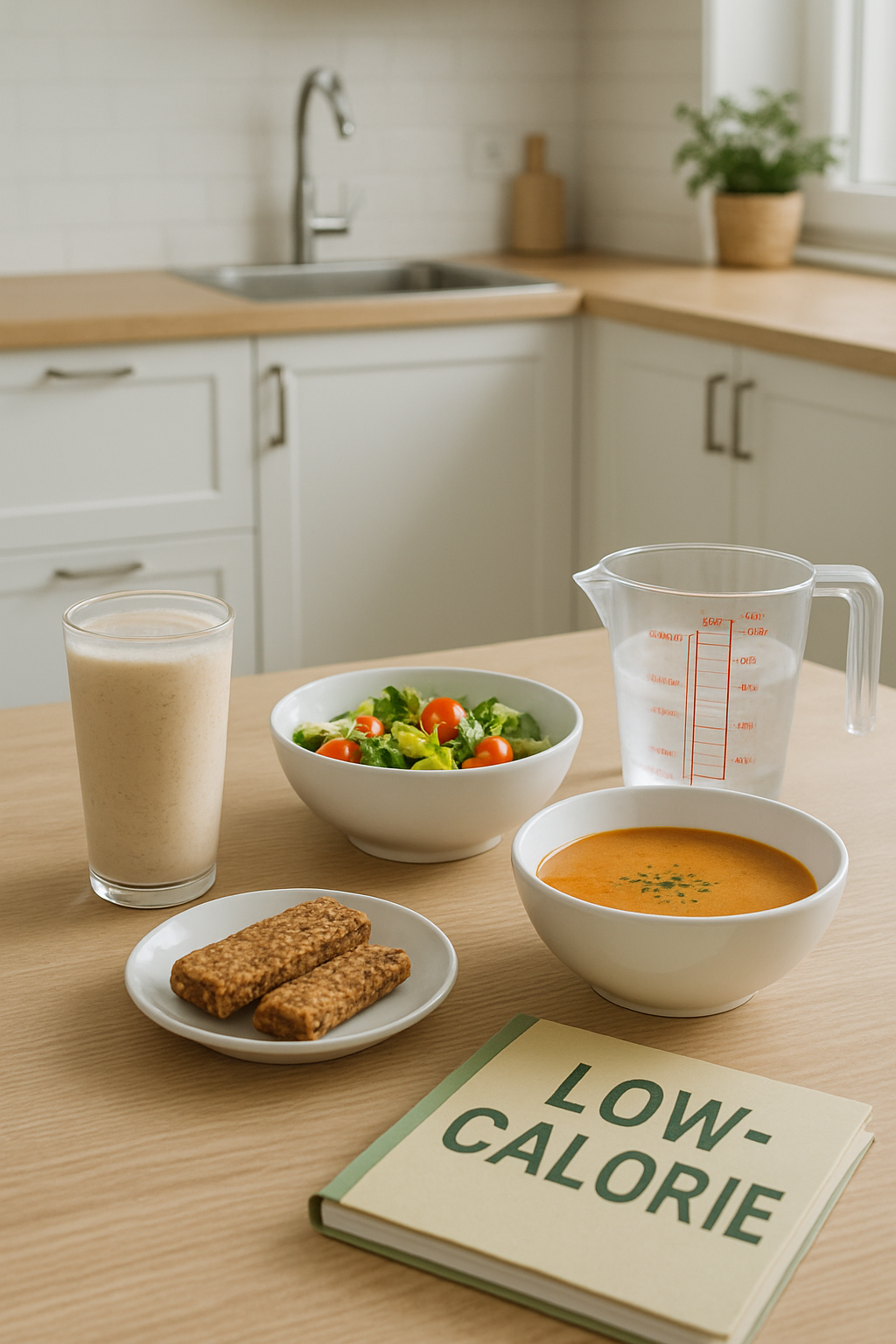
What is Rapid Weight Loss?
Rapid weight loss is defined as a diet plan where an individual loses more than 2 pounds (approximately 1 kilogram) per week over a period of several weeks. Achieving this requires a significant reduction in daily calorie consumption. This approach is often considered for its quick results, but it demands careful management and precision.
How Smart Tracking Transforms Rapid Weight Loss
These diet plans are typically embraced by individuals with significant weight loss goals who desire fast results. However, such an intense approach is best undertaken with guidance. A tool like SnapEat AI can act as your digital coach, making the process safer and more manageable than attempting it alone.
These diets are intended for short-term use, generally not exceeding several weeks. The core principle is a substantial calorie deficit. Individuals who lose weight quickly are statistically more prone to regaining it compared to those who adopt a slower, more gradual approach through sustainable diet changes and physical activity. The body perceives rapid weight loss as a major stressor, triggering a strong hormonal response that can slow metabolism and encourage weight regain once the diet is relaxed. This is where modern technology can make a difference. With SnapEat AI, you can track your intake with precision, understand your body's patterns, and make informed adjustments to sustain your results.
Very Low-Calorie & Low-Calorie Diets (VLCD & LCD)
In a VLCD, you might consume as few as 800 calories a day, potentially leading to a loss of 3 to 5 pounds (1.5 to 2 kg) weekly. These often involve meal replacements like shakes or bars to ensure you receive essential nutrients. SnapEat AI is the perfect companion for a VLCD, allowing you to scan and log these products instantly, ensuring you hit your precise calorie target without the guesswork. An LCD is a less intense version, typically allowing 1,000-1,600 calories daily. It’s a more approachable starting point for many, and SnapEat AI makes it easy to combine meal replacements with regular foods while keeping your calorie count in check.
Time-Restricted Eating & Intermittent Fasting
These strategies are gaining immense popularity. Time-restricted eating involves limiting your food consumption to a specific window each day, such as the 16:8 method (eating within an 8-hour period). Intermittent fasting might involve more complex schedules, like the 5:2 system (two very low-calorie days per week). For both approaches, SnapEat AI is an invaluable tool. It helps you monitor your eating windows and makes logging meals quick and effortless, so you can focus on your schedule while the app handles the nutritional data. This ensures you’re not only fasting correctly but also getting adequate nutrition during your eating periods.
Avoiding the Pitfalls of Fad Diets
Many fad diets promise rapid weight loss through extreme and often unsafe calorie restriction. These are rarely sustainable and can lead to a cycle of weight loss and regain. SnapEat AI promotes a more informed approach. By providing clear data on your nutritional intake, it helps you understand the difference between a structured, short-term plan and an unhealthy, unsustainable fad. The goal is to use technology to achieve long-term success, even if you start with a rapid-loss phase.
The Role of Exercise & Syncing Your Health
Rapid weight loss is primarily driven by calorie reduction, but exercise remains crucial for overall health and long-term maintenance. Talk with your provider about the right type of exercise for you during a calorie-restricted phase. SnapEat AI helps by syncing with your health data, giving you a holistic view of your energy balance. You can see how your physical activity impacts your daily calorie needs, allowing for a smarter, more integrated approach to your wellness journey.
Potential Benefits of a Structured Approach
For individuals with health concerns related to obesity, a well-managed rapid weight loss plan can offer significant benefits. Using SnapEat AI to precisely track your diet can help improve key health markers, including:
- Blood sugar levels
- High cholesterol
- High blood pressure
Navigating the Risks with Smart Insights
It's crucial to approach any rapid weight loss diet with the guidance of a healthcare provider. Losing weight too quickly can carry risks, including the loss of muscle mass, water, and bone density. Potential side effects can include fatigue, nausea, and gallstones. SnapEat AI empowers you by providing detailed data on your food intake. This information helps you and your provider make informed decisions, ensuring you don't miss out on vital nutrients. The app serves as your smart calorie counter and progress tracker, but it is not a substitute for professional medical advice. Generally, rapid weight loss plans are not recommended for children, teens, pregnant women, or older adults without a doctor's explicit recommendation.