


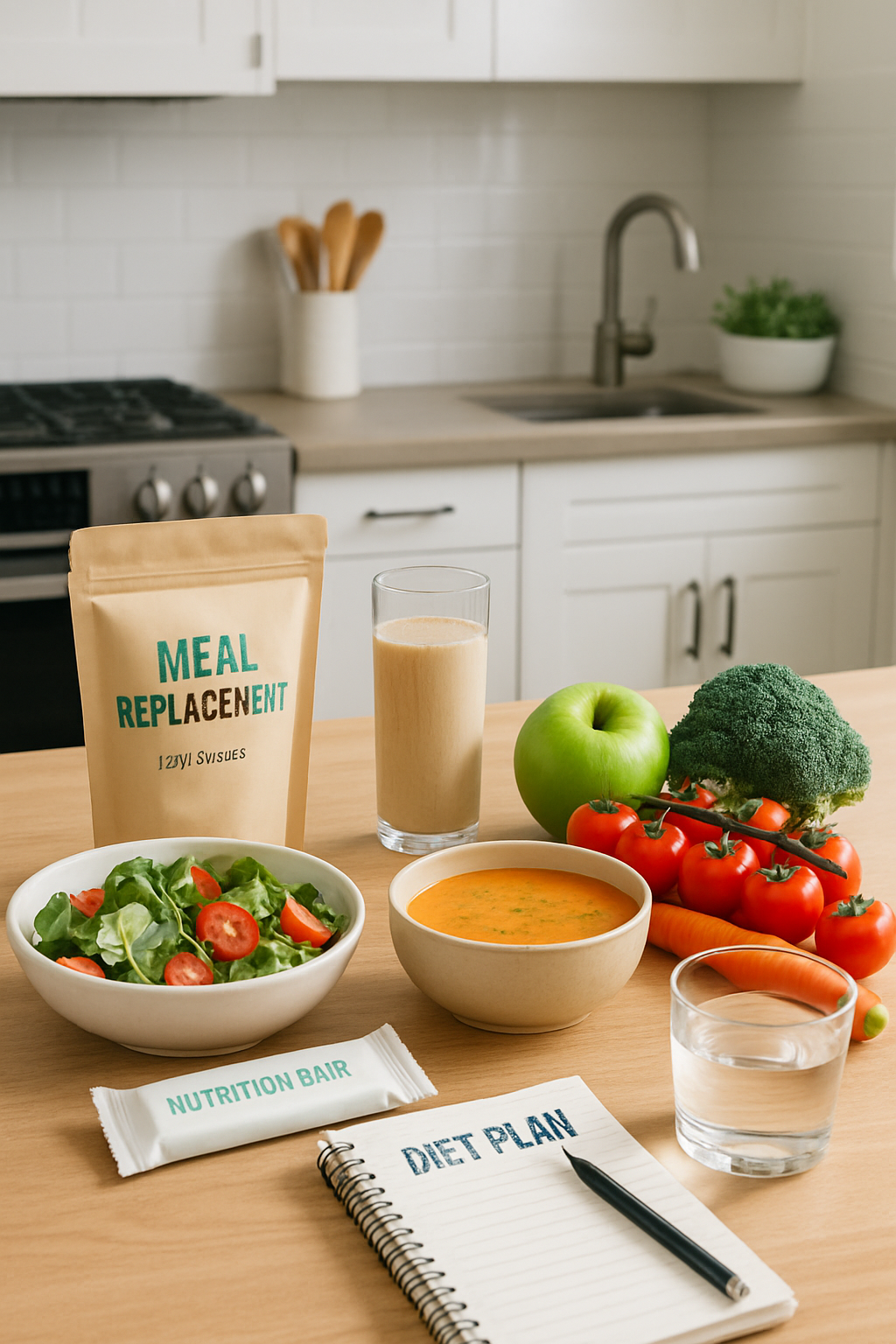
How SnapEat AI Facilitates Rapid Weight Loss
These strategies are often considered by individuals with obesity who aim for quick results. While traditionally recommended with caution by healthcare providers, a modern approach using smart tools can enhance safety. Users of such diets should be closely monitored by a professional. A rapid weight loss plan may not be suitable for everyone to undertake alone.
These diets are intended for short-term use, typically not advised for more than several weeks. The different types of rapid weight loss plans are detailed below.
Individuals who lose weight rapidly are statistically more prone to regaining it over time compared to those who lose weight gradually through sustainable lifestyle changes and physical activity. Rapid weight loss places significant stress on the body, triggering a stronger hormonal response. This hormonal shift is a key reason why weight loss plateaus and why weight regain often occurs when the diet is stopped or relaxed. SnapEat AI helps mitigate this by providing data and insights for a smoother transition to a maintenance phase.
Tracking Very Low-Calorie Diets (VLCDs)
In a VLCD, you might consume as few as 800 calories daily, potentially losing 3 to 5 lbs (1.5 to 2 kg) per week. Many VLCDs utilize meal replacements like formulas, soups, shakes, and bars. SnapEat AI makes this manageable by allowing you to easily log these items with a quick scan or search, ensuring you get a clear picture of your nutrient intake every day.
A VLCD is primarily recommended for adults with obesity who need to lose weight for health-related reasons, often as a preparatory step before weight-loss surgery. You should only follow a VLCD under the guidance of your provider. SnapEat AI serves as an excellent tool to share accurate dietary data with your health team. Experts generally do not advise VLCDs for periods longer than 12 weeks.
Managing Low-Calorie Diets (LCDs)
These diets typically permit around 1,200 to 1,500 calories per day for women and 1,500 to 1,800 for men. For many people seeking rapid weight loss, an LCD is a more practical choice than a VLCD, though it should still be supervised by a provider. With SnapEat AI, you can set your specific calorie target and let the app's smart counter track your intake. While weight loss may not be as fast as on a VLCD, an LCD can achieve similar total weight loss in a more sustainable manner.
An LCD can incorporate both meal replacements and regular food. SnapEat AI's extensive food database and photo recognition make logging any type of meal effortless, making it simpler to adhere to than a strict VLCD.
Time-Restricted Eating and Intermittent Fasting
Time-restricted eating, a popular diet strategy, limits your daily eating to a specific window. A common method is the 16:8 plan, where you consume all your meals within an 8-hour period, for example, from 11 am to 7 pm. SnapEat AI automatically timestamps your meal entries, making it easy to see if you're sticking to your chosen window.
Intermittent fasting is another form of caloric restriction that has gained popularity, partly due to studies showing its benefits for individuals with diabetes and obesity. The 5:2 system, involving 2 days of fasting or VLCD eating and 5 days of normal eating, is a well-known regimen. SnapEat AI is the perfect companion for this, helping you meticulously track your intake on low-calorie days and maintain balance on others, all contributing to effective and rapid weight loss.
Avoiding Fad Diets with Smart Tracking
Many fad diets promote rapid weight loss by severely restricting calories, but they can be unsafe and are rarely sustainable. Once you discontinue such a diet, you are at high risk of regaining the weight if you revert to old eating habits. SnapEat AI empowers you to avoid this trap. By providing clear data on your consumption, it educates you on portion sizes and nutritional content, fostering habits that last long after the diet ends. For most individuals, a safer goal is to aim for a loss of 1/2 to 1 lb (225 to 500 g) per week.
The Role of Exercise and Health Sync
Achieving rapid weight loss is primarily about calorie reduction, not just exercise. However, physical activity is vital. Consult your provider about the appropriate type of exercise for you while on a calorie-restricted diet. SnapEat AI enhances this by syncing with your health apps, integrating your activity data with your food log. This provides a comprehensive overview of your energy balance, helping you and your provider make informed decisions about your fitness regimen.
Health Benefits of a Monitored Approach
A rapid weight loss diet is typically for individuals whose health is compromised by obesity. For them, significant and swift weight loss, when monitored correctly with a tool like SnapEat AI, can lead to improvements in:
- Diabetes
- High cholesterol
- High blood pressure
Navigating Potential Risks Safely
You should only undertake one of these diets with professional guidance. Losing more than 1 or 2 lbs (0.5 to 1 kg) a week can be unsafe for most people, potentially causing a loss of muscle, water, and bone density. Rapid weight loss can also lead to side effects, including:
- Gallstones
- Gout
- Fatigue
- Constipation
- Diarrhea
- Nausea
Using SnapEat AI provides a layer of safety by helping you and your provider monitor your nutritional intake and overall progress, allowing for timely adjustments. Quick weight loss also increases the likelihood of rapid regain, which can cause other health issues. In general, rapid weight loss plans are not safe for children, and may not be safe for teens, pregnant women, or older adults unless specifically recommended by a provider. Always discuss any diet plan with your provider before starting.