


Why a 'Smart Iftar' Matters: The Science of Breaking Your Fast
After more than 12 hours of fasting, your body is in a sensitive state. Your blood sugar is low, you're dehydrated, and your digestive system has been resting. The first foods you consume have a profound impact on your energy and digestion for the rest of the evening.
Unfortunately, traditional Iftar habits can work against your body, leading to common issues. The main pitfalls include:
- Sugary Drinks and Juices: These cause a rapid blood sugar spike, followed by an inevitable crash that leaves you feeling tired and craving more sugar.
- Fried and Processed Foods: Heavy, oily foods are difficult to digest after a fast. They often lead to bloating, heartburn, and a feeling of lethargy, making prayers more difficult.
- Eating Too Much, Too Quickly: Overwhelming your digestive system can lead to discomfort and prevents your brain's natural fullness signals from working, resulting in overeating and potential weight gain during Ramadan.
A smart Iftar is about working with your body. It's about replenishing, refueling, and restoring gently to feel energized and light.
The 3 Pillars of a Healthy Iftar: A Nutritionist's Guide
Crafting a healthy Iftar is simple when you follow three core pillars. This three-step process is the best way to reawaken your system gently and effectively.
Pillar 1: Rehydrate Intelligently
Before any solid food, focus on fluids. Following the Sunnah, start with 1-3 dates and a glass of water. Dates provide a quick, natural source of energy and fiber. A glass of laban (yogurt drink) or milk is also excellent for hydration, protein, and nutrients.
Pillar 2: Build a Nutrient-Dense Plate
After rehydrating, your main meal should be balanced to ensure sustained energy and muscle preservation. Aim to include:
- Lean Protein: Crucial for satiety and muscle repair. Choose grilled chicken, baked fish, beef stew, lentils, or chickpeas.
- Complex Carbohydrates: For slow-releasing, lasting energy. Opt for brown rice, quinoa, freekeh, whole-wheat bread, or a baked potato.
- Healthy Fats: To help you feel full and support overall health. Add avocado, nuts, seeds, or a drizzle of olive oil to your salad.
- Vitamins & Minerals: A large portion of vegetables is non-negotiable. Include a colorful fattoush salad or a side of roasted vegetables.
Pillar 3: Practice Mindful Eating & Portion Control
Pause after your dates and water before starting the main course. Eat slowly, chew each bite thoroughly, and savor the flavors. This practice of mindful eating gives your brain time to register fullness, preventing overeating and significantly improving digestion.
SnapEat: Your Personal AI Nutrition Coach for Ramadan
Following these pillars sounds great, but tracking everything can be difficult. This is where SnapEat AI becomes your greatest ally. It's more than a calorie counter; it’s a powerful AI food tracker and nutrition coach designed to simplify your Ramadan nutrition.
- Instant Meal Tracking with a Snap: Forget typing. Just snap a photo of your Iftar plate, and SnapEat's AI instantly identifies the foods and logs them for you. It's the easiest way to track your meals.
- AI-Powered Insights for a Balanced Iftar: Instantly see the breakdown of protein, carbs, and fats. Our AI nutrition coach gives you immediate visual feedback, helping you understand if your meal aligns with your healthy Iftar goals.
- Personalized Guidance to Stay on Track: Set goals to maintain weight, increase protein, or manage hydration. SnapEat provides a clear picture of your habits, empowering you to make smarter choices for both Iftar and Suhoor.
A Sample Smart Iftar Meal Plan with SnapEat AI
Let's see it in action with a delicious, balanced Iftar:
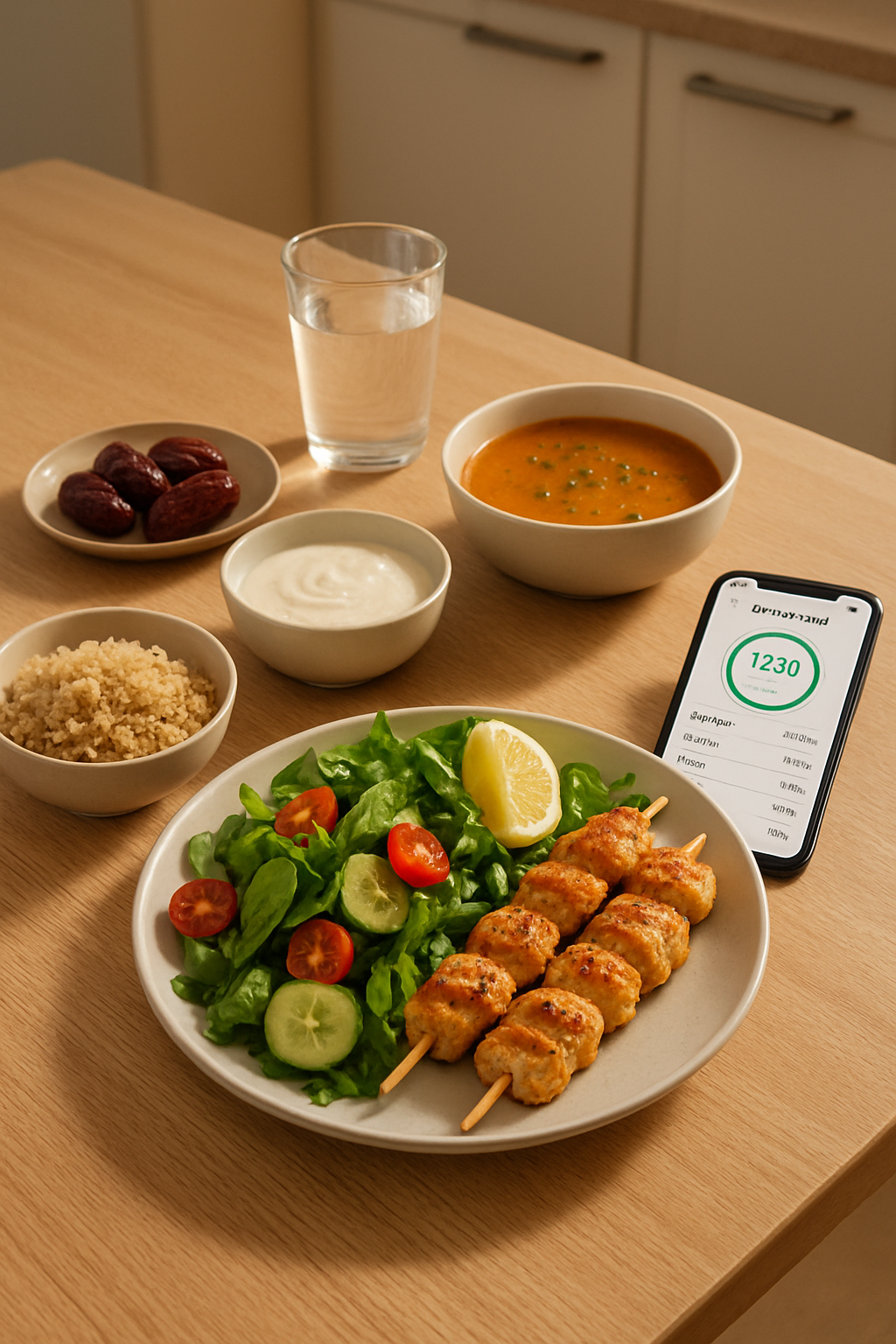
- Break Fast: 2 dates and a large glass of water.
- Starter: A warm bowl of lentil soup.
- Main Course: A plate with grilled chicken skewers, a large mixed green salad with a lemon-olive oil vinaigrette, and a scoop of quinoa.
When you snap a photo of this meal, your AI food tracker would instantly confirm you have a perfect balance of lean protein (chicken), complex carbs (lentils, quinoa), healthy fats (olive oil), and fiber. The app shows you're perfectly on track for a nourishing meal that supports your wellness goals.
Frequently Asked Questions about Healthy Iftar
- How can I avoid weight gain during Ramadan?
- Focus on avoiding sugary drinks and fried foods. Prioritize lean protein and vegetables, practice portion control, and stay hydrated. Using an app like SnapEat to track intake can also help you stay mindful and accountable.
- What is the best thing to eat first for Iftar?
- The traditional and scientifically sound way is to start with dates and water. Dates provide a quick source of energy without spiking your blood sugar, while water begins the crucial rehydration process.
- How can I stop overeating at Iftar?
- Practice mindful eating. Eat slowly, take a break after your starter, and listen to your body’s fullness cues. Avoid eating in front of the TV. Start with a soup or salad to help you feel full before the main course.
Embrace Your Healthiest Ramadan Yet
This Ramadan, commit to nourishing your body as you nourish your soul. A smart Iftar is not about restriction; it's about making conscious choices that leave you feeling energized and healthy. By focusing on hydration, nutrient-dense foods, and mindful eating, you can fully embrace the blessings of this month.
Let technology be your guide. Download SnapEat AI today and discover how an AI-powered food tracker and nutrition coach can make this your healthiest, most fulfilling Ramadan yet. Ramadan Mubarak!