


The Challenge with Traditional Food Logging
For decades, the food journal has been the standard for tracking dietary intake. While the principle is sound—awareness is the first step to change—the manual execution is deeply flawed and a primary reason many people abandon their health goals. Here's why traditional methods fail.
The Time Barrier: A Tedious Daily Chore
Life is busy. Spending 20-30 minutes every day meticulously searching databases for ingredients, estimating portion sizes, and manually inputting every meal is a significant time commitment. This friction turns a positive health habit into a dreaded task.
The Accuracy Problem: Guesswork Leads to Bad Data
Is that a 4-ounce or 6-ounce chicken breast? How much olive oil was really in that restaurant salad? Guesswork leads to inaccurate data, which undermines the entire purpose of tracking. Without reliable information, you can't make effective decisions about your diet.
The Motivation Drain: From Excitement to Burnout
What begins as an exciting step toward a health goal quickly becomes a chore. The tedious nature of manual logging can create a negative association with food and eating, leading to burnout and causing people to give up on tracking altogether.
SnapEat AI: The Future of Smart Food Tracking
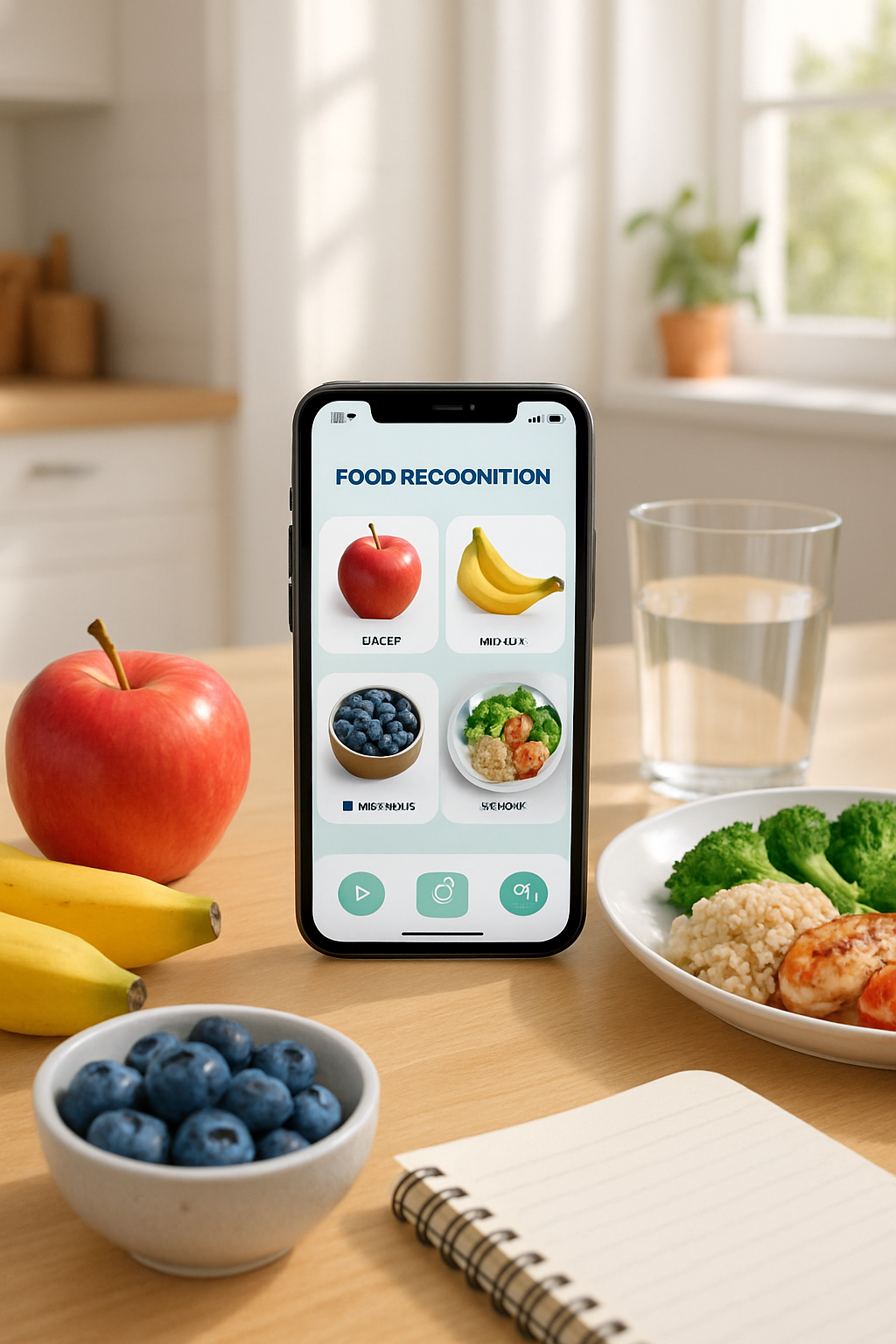
This is where technology provides a brilliant solution. SnapEat AI is a cutting-edge AI food tracking app designed to eliminate these frustrations. The concept is revolutionary in its simplicity: just snap a photo of your meal, and the AI handles the rest.
How It Works: Snap, Track, and Analyze
Using advanced AI-powered image recognition, the app instantly identifies the different foods on your plate. It estimates portion sizes with remarkable accuracy and pulls the corresponding nutritional information from a vast, verified database. What used to take ten minutes of frustrating manual entry now takes less than ten seconds. This is the essence of smart food tracking: leveraging technology to make healthy habits seamless and sustainable. For anyone asking how to track food with a photo, this is the definitive answer.
Beyond Calorie Counting: The Power of Personalized Nutrition AI
The true magic of an app like SnapEat AI lies not just in its simplicity, but in the depth of its analysis. Simply counting calories is an outdated approach to health. Our bodies require a complex balance of nutrients to thrive, and this is where personalized nutrition becomes critical.
Comprehensive Macro & Micronutrient Analysis
Instead of just a single calorie number, you get a full breakdown of your macronutrients (protein, carbohydrates, and fats) and key micronutrients (vitamins, minerals, fiber). You can finally see if you’re getting enough protein for muscle repair or enough fiber from your fruits and vegetables to support digestive health.
Tailored to Your Health Goals
Whether your goal is weight loss, muscle gain, or simply maintaining a healthy lifestyle, the app provides insights relevant to you. It helps you understand how your food choices directly impact your progress, transforming abstract data into a truly personalized nutrition plan.
Actionable Insights for Real Change
The app doesn’t just show you numbers; it helps you understand them. It acts as a pocket nutritionist, providing insights like, "Your fiber intake was low yesterday. Try adding a serving of berries or an apple to your breakfast." It makes healthy eating a guided, educational experience.
A Nutritionist’s Guide to Using SnapEat AI Effectively
As nutrition experts, we see tools like SnapEat AI as powerful allies for our clients. They foster awareness and empower data-driven decisions. To get the most out of this technology, follow these four simple steps:
- Set Clear, Realistic Goals: Before you start snapping, define what you want to achieve. Use the app to set specific targets for calories, macros, or other nutrients. This gives your tracking a clear purpose.
- Build the Habit of Consistency: The key to success is a complete and accurate picture of your eating habits. Make it a non-negotiable rule: "If I eat it, I snap it." The speed of a nutrition tracker from picture makes this habit incredibly easy to build and maintain.
- Review Your Weekly Insights: Set aside five minutes at the end of each week to look at your trends. Are you consistently low on protein on weekdays? Is your sugar intake higher on weekends? This review is where true learning happens, allowing you to make proactive adjustments.
- Use Data to Inform, Not to Judge: Remember, a food tracker is a tool for awareness, not a weapon for guilt. Use the information to make a slightly better choice at your next meal. It’s about celebrating progress, not demanding perfection.
Frequently Asked Questions (FAQ) about AI Food Tracking
How accurate is AI food tracking?
AI food trackers like SnapEat AI use advanced image recognition and vast food databases to achieve high accuracy in identifying foods and estimating portion sizes. While not 100% perfect, they are significantly more accurate and consistent than human guesswork, providing reliable data for making informed nutritional choices.
Is SnapEat AI better than a manual calorie counter?
For most people, yes. The primary advantages are speed, convenience, and reduced friction. By eliminating the tedious task of manual entry, SnapEat AI makes it far more likely that you will stick with your tracking habit long enough to see results. It also provides deeper analysis beyond just calories.
Can I use this app for specific diets like Keto or Vegan?
Absolutely. A good AI nutrition tracker allows you to set custom macronutrient and micronutrient goals. You can tailor your targets to fit any dietary plan, whether it's low-carb, high-protein, vegan, or something else. The app then tracks your intake against those specific goals.