


The promise of losing weight quickly is tempting, but is it the right path for long-term success? Many diets that offer rapid results often come with significant downsides and are difficult to maintain. This article explores the concept of rapid weight loss, its potential drawbacks, and introduces a more intelligent, sustainable method for achieving your health goals with the help of SnapEat AI, your personal AI-powered nutrition coach.
Understanding Rapid Weight Loss
Rapid weight loss is generally defined as losing more than 2 pounds (or 1 kilogram) per week over an extended period. This accelerated pace is typically achieved through a very significant reduction in calorie intake, often falling far below daily energy requirements. While it can produce quick results on the scale, it's crucial to understand what's happening within the body during this process.
Common Methods of Rapid Weight Loss
Many individuals with ambitious weight loss targets turn to extreme diets. These approaches should be considered with caution, as they often lack long-term viability and can be unsafe without professional guidance.
Very Low-Calorie Diets (VLCDs)
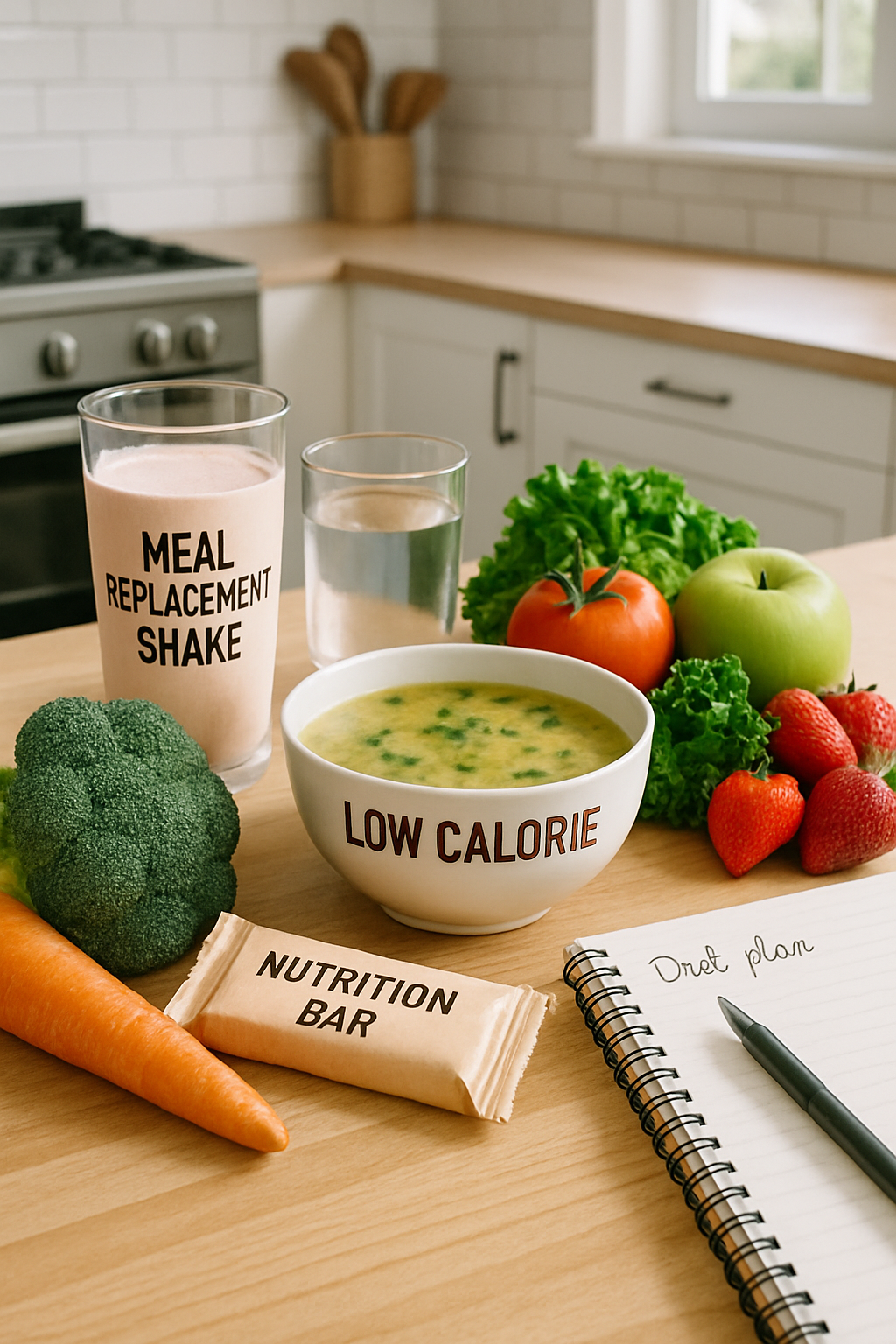
On a VLCD, daily caloric intake might be as low as 800 calories. These diets frequently rely on meal replacement shakes, soups, or bars to control intake precisely. While they can lead to losses of 3 to 5 pounds per week, they are typically short-term solutions recommended only under medical supervision, often in preparation for procedures like bariatric surgery.
Intermittent Fasting and Time-Restricted Eating
These strategies are gaining traction and involve limiting eating to specific windows of time. A common method is the 16:8 plan, where all meals are consumed within an 8-hour period. Others, like the 5:2 diet, involve two days of very low-calorie intake per week. While some studies suggest these methods can induce rapid weight loss, more research is needed on their long-term effectiveness and sustainability.
Fad Diets
Many popular fad diets achieve quick weight loss by severely restricting calories or eliminating entire food groups. These diets are rarely sustainable and can pose health risks. Once the diet ends, people often revert to previous eating patterns, leading to a high probability of regaining the lost weight.
The Pitfalls of Losing Weight Too Quickly
Losing weight at an accelerated rate places considerable stress on the body and is often unsustainable. Individuals who lose weight rapidly are significantly more prone to regaining it compared to those who adopt a slower, more gradual approach. The body's strong hormonal response to drastic calorie deficits can slow metabolism and increase hunger, making weight regain more likely once the diet is relaxed. Beyond rebound weight gain, rapid loss can lead to other concerns:
- Muscle and Bone Density Loss: The body may break down muscle tissue and bone for energy, not just fat.
- Nutrient Deficiencies: Extreme diets can make it difficult to get the essential vitamins and minerals your body needs.
- Unpleasant Side Effects: Fatigue, nausea, constipation, and gallstones are potential side effects of very low-calorie diets.
SnapEat AI: A Smarter Path to Your Goals
Instead of resorting to extreme measures, a smarter, technology-driven approach can help you achieve sustainable results. SnapEat AI is your all-in-one AI coach, designed to make healthy eating simple and effective.
Effortless Calorie Tracking
Forget manual logging. With SnapEat AI, you simply snap a picture of your meal, and our advanced AI recognizes the food and calculates the calories. This seamless process makes tracking your intake effortless and accurate, forming the foundation of mindful eating.
Personalized AI Coaching
SnapEat AI goes beyond just counting calories. It acts as your personal nutrition guide, providing personalized insights and recommendations based on your goals and progress. It helps you understand your eating habits and make healthier choices without drastic restrictions.
Focus on Sustainable Habits
The key to lasting weight management is building healthy habits. SnapEat AI supports you in making gradual, positive changes to your diet and lifestyle. By focusing on consistency rather than intensity, you can achieve your weight loss goals and maintain them for life.
Integrating Exercise for Optimal Results
While nutrition is paramount, exercise plays a vital role in any successful weight management journey. Physical activity not only burns calories but also builds muscle, boosts metabolism, and improves overall health. SnapEat AI helps you fuel your body appropriately for your activity level, ensuring you have the energy to perform your best. We recommend consulting with a professional to design an exercise plan that complements your nutritional goals and is suitable for your current fitness level.
The Real Benefits of Sustainable Weight Loss
Choosing a gradual and sustainable path to weight loss offers benefits that go far beyond the number on the scale. For individuals looking to improve their health, this approach can lead to significant, lasting improvements in:
- Blood sugar control and reduced diabetes risk.
- Lowered cholesterol levels.
- Improved blood pressure.
Moreover, a sustainable approach preserves muscle mass, improves your relationship with food, and equips you with the habits needed to maintain a healthy weight for the long term. It's not just about losing weight; it's about gaining health.