


The Allure of Rapid Results
A rapid weight loss diet is any plan where you aim to lose more than 2 pounds (about 1 kilogram) per week over an extended period. This is typically achieved by drastically reducing calorie intake. While the promise of quick results is tempting, these methods come with significant challenges and risks.
Common Types of Rapid Diets
Many individuals with weight loss goals are drawn to these diets, often without professional guidance. It's crucial to understand that these are short-term solutions and not a sustainable path to long-term health.
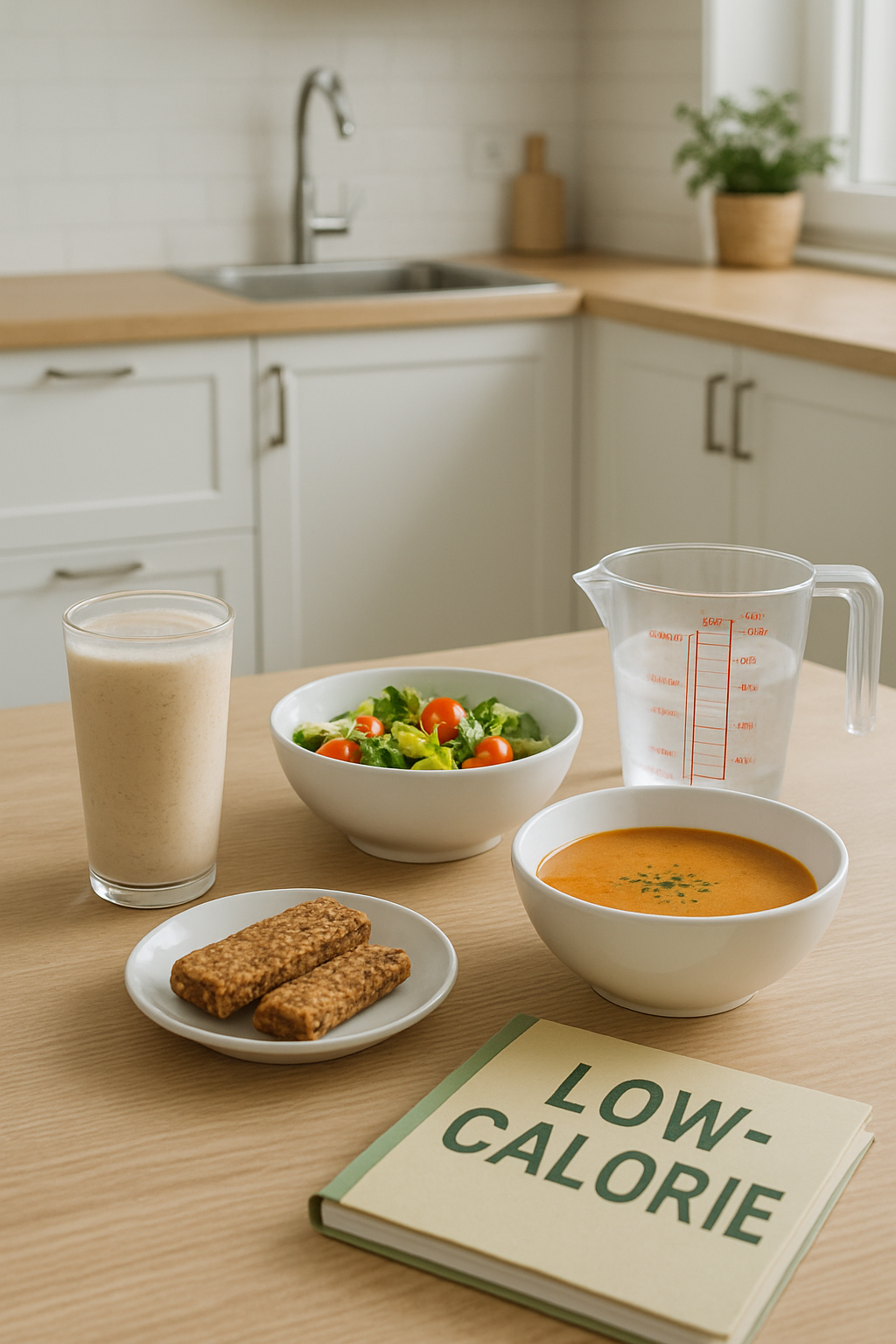
- Very Low-Calorie Diets (VLCDs): These diets restrict intake to as little as 800 calories per day, often relying on meal replacement shakes and bars. While they can lead to losses of 3 to 5 pounds per week, they are medically supervised and intended for short durations, such as before bariatric surgery.
- Time-Restricted Eating & Intermittent Fasting: These popular methods limit your eating to specific windows (e.g., the 16:8 method) or involve fasting on certain days (e.g., the 5:2 plan). They can initiate rapid weight loss, but research on their long-term sustainability and effects is still developing. The restrictive nature can be difficult to maintain.
The primary issue with rapid weight loss is the high likelihood of regaining the weight. The body perceives drastic calorie cuts as a stressor, triggering strong hormonal responses that slow metabolism and increase hunger, making it difficult to maintain results once the diet ends.
A Smarter Approach: How AI Transforms Weight Management
Instead of extreme measures, modern technology offers a more intelligent and sustainable path. SnapEat AI acts as your all-in-one AI coach, leveraging technology to make healthy choices easier and more effective.
Effortless Recognition and Calorie Counting
One of the biggest hurdles in dieting is accurately tracking what you eat. SnapEat AI revolutionizes this with its smart calorie counter. Simply snap a picture of your meal, and the AI recognizes the food, calculates the calories, and logs it for you. This eliminates guesswork and the tedious task of manual entry, making consistency achievable.
Personalized Guidance and Goal Setting
Unlike one-size-fits-all fad diets, SnapEat AI provides personalized nutrition guidance. It learns your habits, helps you set realistic weight loss goals, and provides insights to keep you on track. This tailored coaching helps you understand your nutritional needs and build healthier eating patterns that last.
Sync Your Health for a Holistic View
True health is more than just a number on the scale. SnapEat AI allows you to sync your health data, offering a comprehensive view of your progress. By connecting diet with other health metrics, you can make more informed decisions and see the full impact of your positive changes.
The Role of Exercise in a Sustainable Plan
While calorie management is key to weight loss, exercise is vital for overall health and maintaining results. SnapEat AI helps you balance your energy intake with your physical activity. Your AI coach can help you understand how to fuel your body for workouts and recovery, ensuring you have the energy you need without derailing your progress.
Health Benefits of a Sustainable AI-Powered Approach
Opting for a steady, AI-guided approach with SnapEat AI offers benefits that go far beyond the scale. It helps cultivate long-term wellness by:
- Improving metabolic health without the shock of extreme calorie deficits.
- Building lasting healthy habits around food and nutrition.
- Maintaining stable energy levels, avoiding the fatigue common with crash diets.
Potential Concerns of Rapid Weight Loss
Losing weight too quickly can be unsafe for most people and should only be done under medical supervision. It can lead to the loss of muscle mass, water, and bone density. Potential side effects include:
- Gallstones
- Gout
- Fatigue and lethargy
- Constipation or diarrhea
- Nausea
Furthermore, the yo-yo effect of rapid weight loss and regain can pose its own set of health problems. For most individuals, especially teens, pregnant women, or older adults, a gradual and sustainable approach is always the safest and most effective choice. Before starting any new diet plan, it is always wise to consult with a healthcare provider.